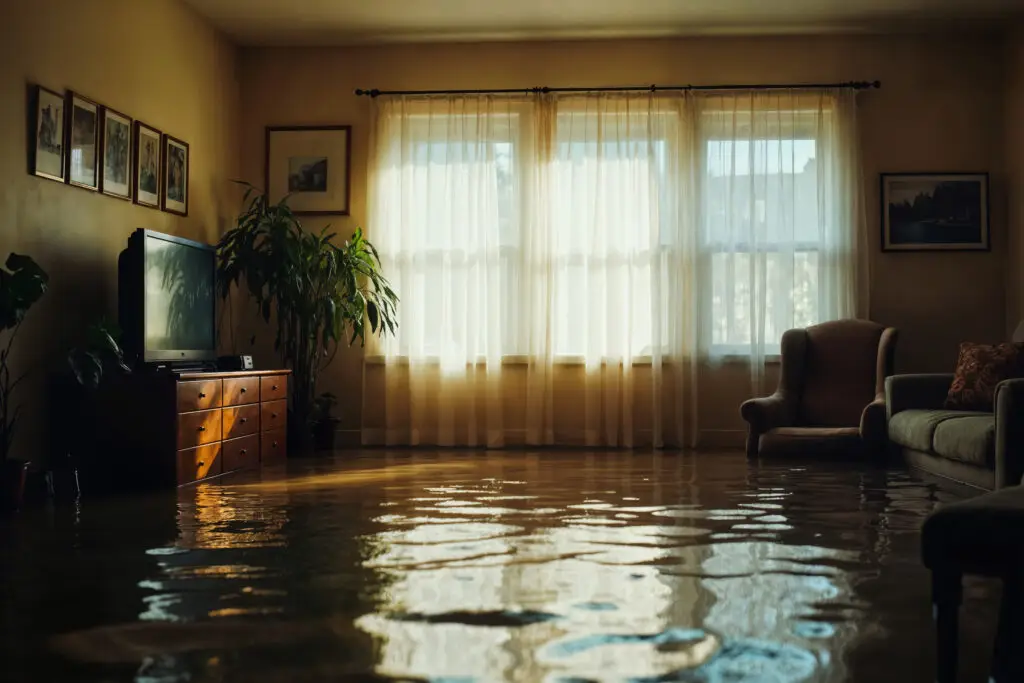
Water damage rarely starts with a dramatic flood. In many homes and commercial properties, it begins with something subtle: a small pipe leak behind drywall, a damp basement corner, a slow roof intrusion, or a stain that keeps getting darker after every storm. What makes water damage so expensive is not always the source itself, but the amount of time it is allowed to spread. The longer moisture remains hidden in floors, walls, insulation, or structural materials, the more likely it is to weaken building components, trigger mold growth, and disrupt your daily life.
For property owners in DuPage County, fast recognition is one of the most important parts of limiting restoration costs. You do not need to wait until water is standing on the floor to act. Knowing the early signs can help you move from reaction to prevention, which is often the difference between a manageable cleanup and a much larger restoration project. When you know what to look for, you protect more than the building itself. You protect air quality, valuables, schedules, and peace of mind.
Why Early Detection Makes a Major Difference

Water moves quickly through porous materials. Drywall absorbs it, wood swells from it, insulation traps it, and flooring can hold moisture long after the visible surface seems dry. That is why even a small leak can become a major problem if it is ignored for days or weeks. Many property owners make the mistake of judging severity only by what they can see. In reality, hidden moisture is often what creates the most costly long-term damage.
Early detection helps in several ways. First, it limits how far the damage spreads. A leak discovered in one room today can cause damage in adjacent rooms tomorrow. Second, it reduces the chance of mold. Mold can begin growing in damp conditions surprisingly fast, especially in dark, enclosed, or poorly ventilated spaces. Third, it helps preserve structural materials that might otherwise require removal and replacement. Finally, it keeps recovery timelines shorter, which matters whether you are protecting a family home, a rental property, or a business location.
The sooner a problem is identified, the more targeted the solution can be. Instead of tearing out large sections of material, technicians may be able to focus on drying, moisture mapping, and limited repairs. That kind of early response usually means less disruption, lower expense, and a better overall outcome.
The Most Common Warning Signs to Watch For
Some signs of water damage are obvious, while others are easy to dismiss. The key is to notice patterns and changes over time before they become severe.
- Discoloration on walls or ceilings often appears as yellow, brown, or copper-toned staining. These marks may look dry on the surface while active moisture remains trapped above or behind them.
- Peeling paint or bubbling drywall usually signals that moisture has gotten into the material and is weakening adhesion. Cosmetic damage is often the visible clue for a bigger hidden issue.
- Warped flooring or soft spots underfoot can mean water has reached subflooring or has been sitting beneath laminate, vinyl, or hardwood for longer than expected.
- Musty odors are one of the strongest early indicators of hidden moisture. If a room smells damp even when no water is visible, it is worth investigating immediately.
- Unexplained increases in water bills may point to a concealed plumbing leak that is feeding damage behind the scenes.
- Recurring condensation or persistent dampness around windows, utility areas, or lower-level rooms may suggest ventilation and moisture control problems that can escalate.
If one of these issues shows up once, monitor it. If it worsens, repeats, or appears alongside another warning sign, treat it as a real problem rather than a cosmetic annoyance. A quick inspection now is far easier than a major restoration later.
Where Water Damage Commonly Starts in Local Properties
One of the reasons water damage is missed so often is that it tends to begin in low-visibility areas. Property owners naturally focus on living spaces, but many of the highest-risk zones are behind walls, under fixtures, or in areas that are rarely checked. Kitchens, bathrooms, laundry rooms, basements, utility spaces, crawl spaces, and rooflines all deserve attention because they combine plumbing, drainage, and materials vulnerable to moisture.
Basements are especially important because they sit below grade and are exposed to seepage, foundation issues, heavy rain, sump failures, and poor drainage. A basement may look dry on the surface while moisture slowly affects framing, stored belongings, and insulation. Roof leaks can also remain unnoticed until ceiling stains finally appear. By then, water may already have traveled through attic materials, framing, and electrical paths.
Another common source is burst or leaking pipes. Even a pinhole leak can cause continuous moisture exposure in enclosed wall cavities. Appliance lines are also frequent culprits, especially around dishwashers, refrigerators, washing machines, and water heaters. Commercial properties can face the same issues at a larger scale, especially when HVAC systems, plumbing networks, and high-traffic areas are involved.
The lesson is simple: water damage rarely announces itself at the exact point where it starts. It often reveals itself somewhere else, which is why professional moisture detection matters when warning signs appear.
What to Do in the First 24 Hours After You Notice It
When you suspect water damage, your first response matters. The goal is to protect people, reduce spread, and avoid actions that make the damage worse.
- Stop the source if it is safe to do so. Shut off the water supply to a leaking appliance, pipe, or fixture if you can reach it safely.
- Protect the area from further exposure. Move rugs, furniture, documents, electronics, and valuables away from affected materials whenever possible.
- Document visible damage. Take photos and videos of stains, pooling water, damaged materials, and affected contents in case insurance documentation is needed later.
- Avoid using electrical systems near wet areas. If water is near outlets, appliances, or wiring, prioritize safety and avoid contact until professionals advise next steps.
- Do not assume air drying is enough. Fans may help with surface moisture, but trapped water inside walls, flooring, and insulation requires more specialized drying equipment.
- Call a professional restoration team early. The sooner moisture mapping, extraction, and drying begin, the better the outcome usually is.
These first steps do not replace professional restoration, but they do help limit damage while qualified help is on the way. Fast action is always more effective than delayed cleanup.
Why Professional Water Restoration Beats a DIY Approach

It is understandable that some owners want to handle minor water issues on their own. A wet floor, a stained wall, or a small leak can seem manageable with towels, store-bought fans, and a little patience. The problem is that water damage is rarely limited to what you can see. Surface dryness does not mean the structure is dry, and incomplete drying often leads to recurring damage that becomes more expensive later.
Professional restoration teams bring more than equipment. They bring a process. That includes inspection, moisture detection, extraction, strategic drying, humidity control, sanitation, and verification that affected materials have actually stabilized. Without this process, damaged spaces may look restored while hidden moisture continues feeding mold growth, odor, wood movement, or material breakdown.
There is also the issue of decision-making. Not every wet material must be removed, but not every material can be saved. Knowing the difference requires training and experience. An improper DIY choice can either create unnecessary reconstruction costs or leave damaged materials in place too long. For business owners, there is an added concern: incomplete cleanup can affect operations, employees, customers, and liability exposure.
Professional help is not only about cleaning up today’s damage. It is about protecting the property from tomorrow’s complications.
Questions to Ask Before Hiring a Water Damage Company
Choosing the right restoration partner is just as important as acting quickly. Not every company brings the same level of urgency, transparency, or technical skill.
- Are you available for emergency response? Water damage gets worse by the hour, so response time matters.
- Do you inspect for hidden moisture? A complete assessment should go beyond visible wet areas.
- What drying and monitoring process do you use? Good restoration is measurable, not guesswork.
- Can you explain what can be saved and what may need replacement? Clear communication helps owners make informed decisions.
- Do you help document the loss for insurance purposes? Organized records can make the claims process smoother.
- Have you handled basements, burst pipes, and structural drying before? Experience with similar situations increases confidence in the plan.
Asking these questions helps you identify whether a company is prepared to restore the property thoroughly rather than just remove obvious water. The right team should make the process feel clearer, calmer, and more controlled from the first call onward.
Stop Water Damage Before It Spreads Further
When water damage threatens your home or business, fast action matters. ServiceMaster Restore is ready to respond with trusted restoration support, helping property owners protect their space before moisture leads to bigger structural issues or mold growth. We proudly service this area from Lisle to Woodridge, delivering dependable help when every minute counts.
Call ServiceMaster Restore today for fast water damage response and expert property recovery.