Disaster Restoration and Cleaning Services in DuPage & Will County
When property damage interrupts your day, you need a team that responds quickly, works carefully, and restores your space with confidence. Our restoration and cleaning services are built for homeowners and businesses that need fast action, dependable communication, and results that last.

What We Offer When Damage Can’t Wait
Our services are focused on urgent property recovery, professional cleanup, and long-term peace of mind. Whether you are dealing with sudden water intrusion, smoke and soot damage, lingering moisture, or a space that needs deep cleaning after disruption, we provide responsive service for both residential and commercial properties.
Five Core Services for Homes and Businesses


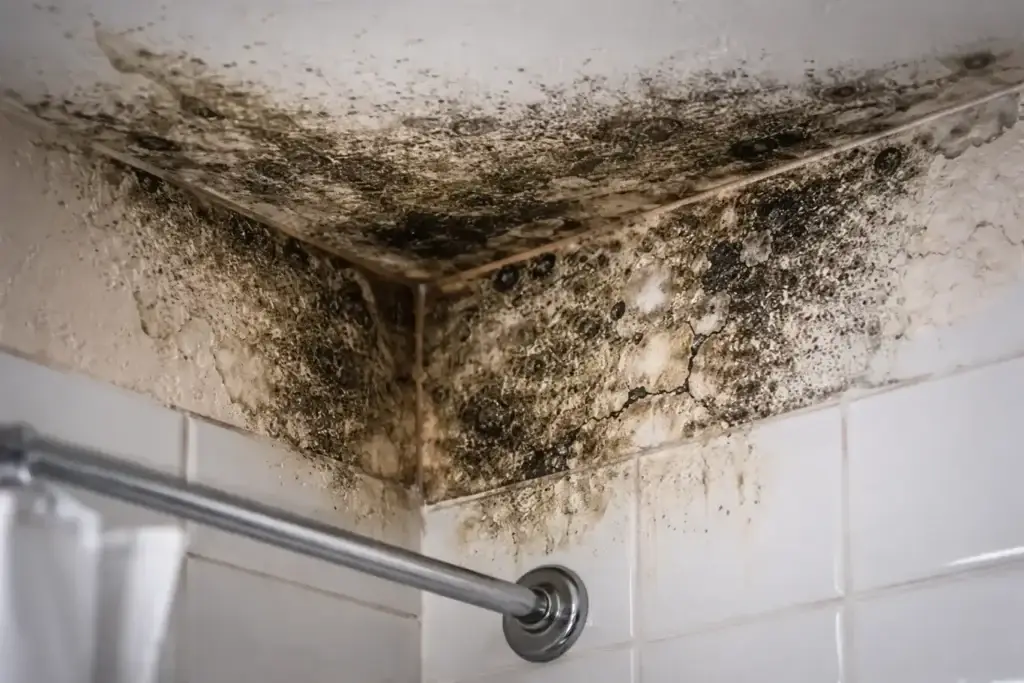


Commercial and Residential Restoration Services


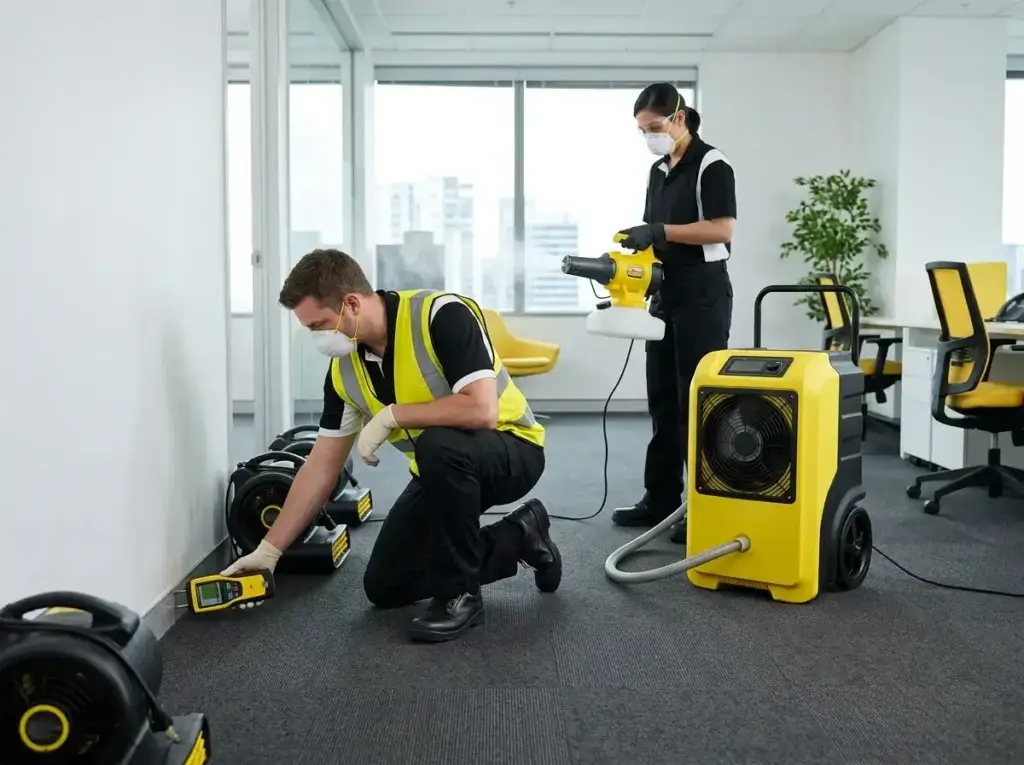


Why Choose ServiceMaster Restoration Services
- 24/7 emergency response
- IICRC-certified technicians
- Residential and commercial service
- 20+ years of experience
- Detailed cleanup and restoration support
- Local service across DuPage & Will County

What Makes Our Service Approach Different
We combine emergency responsiveness with careful restoration planning, which helps limit secondary damage and keep recovery moving forward. That means faster mitigation, better communication, and a cleaner path from the first inspection to the final walkthrough.
We also tailor service recommendations to the situation in front of us. Some properties need immediate extraction and drying, while others need smoke cleanup, deep cleaning, or contamination control. Our focus is to recommend the right service at the right time instead of forcing every project into the same process.
A Clear Plan From First Call to Final Walkthrough
Immediate Damage Assessment
We inspect the affected areas, identify the most urgent risks, and create a response plan based on the type and extent of the damage.
Containment and Stabilization
We take action to stop damage from spreading, protect surrounding materials, and prepare the property for safe and efficient restoration work.
Cleanup and Restoration Work
Our team performs the required extraction, cleaning, drying, odor treatment, debris removal, or detailed recovery work based on your service needs.
Final Review and Next-Step Guidance
Before completion, we review the results with you, confirm the condition of the space, and explain any recommended next steps for ongoing protection.
Every restoration and cleaning service we offer in DuPage & Will County
ServiceMaster Restoration Services handles water, fire, smoke, mold, storm and biohazard damage plus residential and commercial cleaning for homes and businesses across DuPage & Will County, 24/7, from our base in Lisle. Below are all 52 services, each with a one-line answer and a link to the full guide.
Most losses involve more than one service: a burst pipe needs water removal, drying and sometimes mold prevention; a kitchen fire needs smoke and soot cleanup, odor treatment and often water cleanup from firefighting. Start with the service closest to your situation and follow the links inside each page. If you are filing a claim, see insurance claim assistance, or browse our restoration guides. Need help now? Call (630) 241-1111.
Water damage
Water damage is harm caused when water soaks materials that should stay dry, such as drywall, framing, flooring, insulation and contents. Under the ANSI/IICRC S500 standard, restorers rate it by contamination (Category 1, 2 or 3) and by drying load (Class 1 to 4). The EPA advises drying wet materials within 24 to 48 hours to prevent mold.
Professional water damage restoration follows the sequence in the ANSI/IICRC S500 standard: inspect and set the water category, remove contaminated materials when needed, extract water, dry the structure to a measured goal, monitor it daily, then rebuild. Extraction and drying usually take at least three days, and full repairs can take several weeks or longer.
Residential water damage restoration removes water, dries the structure to measured moisture levels and repairs damage in a home people still live in. For homeowners the big questions are usually what can be saved, what insurance typically covers and whether the family can stay during drying. Sudden plumbing and appliance leaks are generally covered; floods and neglect usually are not.
Commercial water damage restoration removes water and dries a building while limiting downtime for tenants, staff and customers. It follows the same IICRC S500 principles as residential work at a larger scale: zoned and phased drying around operations, daily moisture records for insurers, and clear communication with everyone who uses the building.
Emergency water removal is the extraction of standing and absorbed water with pumps and extraction tools so structural drying can start. Speed matters because the EPA says wet materials dried within 24 to 48 hours usually will not grow mold, and every gallon removed as liquid is a gallon dehumidifiers never have to evaporate.
Basement water damage usually comes from storm water seeping through foundation cracks, a failed sump pump, window wells that fill during heavy rain, plumbing leaks or a sewer backup. Fixing it means removing the water, drying concrete and framing to measured levels, cleaning or removing affected materials, then correcting the cause so the next storm does not repeat it.
Shut off the main water valve, turn off power to wet areas if you can reach the panel safely, and photograph the damage before anything is moved. Then call a water damage restoration company. Clean supply-line water can degrade as it sits, so extraction and structural drying should start as soon as the leak is stopped.
Stay out of standing water until the power to that area is off, photograph everything, and call your insurer. Treat floodwater that rose from outside as contaminated (IICRC Category 3) and keep children and anyone with asthma away. Standard homeowners policies exclude flood, so check whether you carry a separate NFIP or private flood policy.
Structural drying removes the water soaked into drywall, framing, subfloors and insulation after the standing water is gone. It balances fast airflow, dehumidified air and warmth so moisture leaves the materials instead of the room's air. A box fan moves air but never removes the water vapor, so humidity climbs and drying stalls.
A large-scale drying project covers multiple floors, units or tens of thousands of square feet, often in an occupied commercial building. It typically calls for high-volume desiccant or trailer-mounted dehumidification, temporary power, zoned containment and a written drying plan with daily logs. The ANSI/IICRC S500 standard treats large or catastrophic projects as their own topic.
They are the two jobs that stop a water loss from becoming a health or mold problem. Sanitizing means cleaning affected surfaces and, where the water was contaminated, applying an EPA-registered antimicrobial exactly as its label directs. Moisture control means drying materials and holding indoor humidity low enough that mold, odor and condensation can't follow.
A musty smell after a leak almost always means something is still damp. Wet carpet pad, drywall or insulation is holding moisture, and growth may be starting. The EPA lists a moldy smell with no visible source as a reason to suspect hidden mold. Find and dry the wet material first; deodorizing without drying only masks it.
Mitigation is the emergency work that stops a loss from getting worse: controlling water, extracting it, removing what can't be saved, protecting equipment and stock, securing openings and starting drying. Restoration comes after and returns the property to its pre-loss condition. Insurers expect prompt mitigation, so it usually starts before the full repair scope is agreed.
Fire and smoke damage
Fire damage is more than charred material. It includes heat damage, smoke and soot residue, odor, water from hoses or sprinklers, and openings firefighters cut to vent the building. Restoration addresses each one in order: secure the property, dry it, clean residue, remove odor, then repair what heat destroyed. The work follows the ANSI/IICRC S700 standard.
Residential fire damage restoration returns a home to safe, livable condition after a fire. It covers securing the house, drying firefighting water, cleaning soot and smoke residue from the structure and belongings, removing odor, and rebuilding what was destroyed. Most DuPage and Will County losses start in the kitchen and spread as smoke.
Commercial fire damage restoration services stabilize a fire-damaged business, clean smoke and soot from the building, its HVAC system and its contents, dry the water left by suppression, and rebuild what cannot be cleaned. For owners and property managers in DuPage and Will County, the practical goals are shorter downtime and a claim file the insurer can follow.
Professional smoke and soot cleanup removes fire residue from walls, ceilings, contents and air systems without spreading it or setting stains. Technicians test each surface, contain the work area, HEPA-vacuum and dry-clean loose soot first, then wet-clean with products matched to the residue. Odor treatment comes after, once the residue that causes the smell is gone.
Professional smoke odor removal works in a fixed order: find and remove the residue producing the smell, clean or replace porous materials, filter the air with HEPA scrubbers, clean the HVAC system, then treat what remains with deodorizing methods such as thermal fogging. Masking sprays and ozone shortcuts skip the source and rarely last, and ozone needs strict safety controls.
Fire hoses and sprinkler systems put out fires with water, and much of that water soaks into floors, walls, insulation and basements. Mixed with soot, it becomes dirty water that has to be extracted and dried while residue cleanup is planned. EPA advises drying wet materials within 24 to 48 hours to help prevent mold growth.
Mold remediation
Mold remediation means removing mold growth and the materials it has damaged, cleaning the surfaces that remain, and fixing the moisture that let it grow. EPA warns that if you clean up mold but don't fix the water problem, the mold will most likely come back. Containment, protective equipment and a final check keep spores from spreading.
Residential mold remediation finds the moisture source, isolates the moldy area, removes growth and damaged porous materials, cleans what can be saved, and dries the home so mold can't return. EPA says patches under about 10 square feet are usually a do-it-yourself job; larger areas, sewage water or a moldy HVAC system call for a professional.
Commercial mold remediation follows the same core rule as any job: remove the growth and fix the moisture. The difference is the people and systems around it. EPA's guide for schools and commercial buildings adds a remediation manager, occupant communication, containment scaled to job size, HVAC protection and scheduling that limits disruption to the business.
A mold inspection finds where mold is growing, how far it has spread and what moisture is feeding it. It relies mainly on a visual survey, moisture meters and building history, not lab tests. EPA says that when mold is visible, sampling is usually unnecessary. The result should be a written scope that guides containment, removal and repairs.
Safe mold removal means taking out moldy porous materials, cleaning hard surfaces with detergent and water, HEPA vacuuming the area and sealing debris in plastic before it leaves the work zone, all while workers wear respirators, gloves and eye protection. EPA's goal is removal, not just killing mold, because dead mold can still cause allergic reactions.
Mold containment is a sealed plastic enclosure around the work area, kept under negative air pressure by a HEPA-filtered fan so air flows in, not out. EPA says its purpose is to limit the release of mold into the air and surroundings, so spores and debris from removal don't spread to clean parts of the building.
After moldy materials are removed, sanitization and deodorization clean the remaining surfaces, reduce residual microorganisms where a product is warranted, and eliminate the musty smell. EPA's position is that cleaning comes first and biocides aren't routine. A lingering moldy odor means growth may still be present, so odor control starts with finding and removing its source.
You keep mold from returning by controlling moisture. EPA's rule is that the key to mold control is moisture control: fix leaks quickly, dry wet materials within 24 to 48 hours, keep indoor relative humidity below 60 percent, ideally 30 to 50 percent, and direct rain and groundwater away from the foundation. Without moisture, leftover spores can't grow.
Minor repairs put back the materials removed during mold or water remediation: drywall patches and flood cuts, baseboard and trim, insulation in opened wall bays, primer and paint. They start only after the moisture source is fixed and the area passes post-remediation checks, and they stay within one or two rooms without structural, cabinet or whole-floor replacement.
Biohazard cleanup
Biohazard cleanup is the removal, disinfection and lawful disposal of blood, body fluids, tissue, sewage and contaminated sharps from a home or business. Blood and many body fluids can carry bloodborne pathogens such as hepatitis B virus and HIV, so federal rules require trained workers, protective equipment and labeled waste containers. Most families should call a trained crew.
Trauma and crime scene cleanup begins after police or investigators release the property. A trained crew removes blood-soaked porous materials, cleans and disinfects hard surfaces with EPA-registered products, treats odor, and packages contaminated waste for lawful disposal. The industry reference is the ANSI/IICRC S540 standard, which assumes the scene has already been released by law enforcement.
After the coroner's office releases the home, a trained crew removes contaminated flooring, subfloor and furnishings, cleans and disinfects what remains, treats odor at its source, and disposes of waste under OSHA and Illinois rules. Families should not attempt this themselves: OSHA treats body fluids and human tissue as potentially infectious, and odor often sits below the surface.
Professional hoarding cleanup is a planned project done with the person who lives in the home. The crew agrees on what to keep, donate and discard, clears walkways and exits first, removes waste and damaged materials, then cleans, sanitizes and repairs the space. The aim is a safe, livable home, not an empty one, and the household sets the pace.
Biohazardous waste must be sealed in closable, leak-resistant containers marked with the biohazard symbol or colored red, with sharps in puncture-resistant containers, under OSHA's bloodborne pathogens standard. In Illinois, potentially infectious medical waste moves with a manifest to permitted treatment facilities, and untreated medical waste is banned from every landfill in the state.
Emergency, rebuild and insurance help
Get people and pets safe, then stop the source if you can do it safely: shut off the water main, stay out of a fire-damaged building until the fire department clears it, and avoid wet electrical equipment and downed lines. Photograph the damage, call your restoration company and your insurer, and protect belongings from further harm.
Emergency board-up is the temporary closing of broken windows, doors and wall openings with exterior-grade plywood and fasteners after a fire, storm, vehicle impact or break-in. It keeps out rain, wind, animals and intruders, protects what survived, and shows your insurer you took reasonable steps to prevent further damage.
Emergency roof tarping covers a damaged roof with heavy polyethylene sheeting secured by battens so rain cannot reach the attic and ceilings below. Structural stabilization adds temporary supports, such as shoring posts and beams, where fire, a fallen tree or storm damage has weakened framing, until an engineer and contractor plan permanent repairs.
Reconstruction is the rebuild that follows mitigation. Once the structure is dry, clean and documented, crews replace removed drywall and insulation, install flooring and cabinetry, repair framing, and repaint so the space matches the rest of the property. The work follows a written scope, local permit rules and, on insured losses, the adjuster's agreed estimate.
Restoration equipment falls into three groups. Detection tools, such as moisture meters, thermo-hygrometers and thermal cameras, find and measure water. Drying tools, mainly air movers and LGR or desiccant dehumidifiers, remove it. Air-quality tools, including HEPA air scrubbers, negative air machines, thermal foggers and hydroxyl generators, control dust, mold spores and odor.
A property claim usually follows the same path: make the property safe and photograph the damage, take reasonable steps to prevent further loss, notify your insurer, meet the adjuster, review a line-item estimate of the repairs, track additional living expenses if you must move out, then settle. Policies vary, so read yours or ask the Illinois Department of Insurance.
Cleaning services
Professional cleaning services remove dust, soil and germs from homes and commercial buildings, either on a recurring schedule or as a one-time job. Residential plans focus on kitchens, bathrooms and living areas. Commercial plans follow a written scope for offices, stores and facilities. Most programs combine cleaning, sanitizing and targeted disinfecting.
A commercial cleaning program should cover three layers of work: daily janitorial tasks, periodic deep cleaning and specialty services. All of it belongs in a written scope of work that lists each area, task, frequency and product. Restrooms, entrances and high-touch surfaces should be scheduled by traffic level, not by habit.
A janitorial maintenance program is recurring cleaning on a fixed schedule: trash and recycling, restroom cleaning and disinfecting, restocking soap and paper, dusting, high-touch surfaces, entrance care and floor maintenance. Frequencies are set area by area based on traffic, and regular quality inspections confirm the work matches the agreed scope.
Professional office cleaning covers workstations, shared equipment, break rooms, restrooms, conference rooms and floors, usually after hours so staff are not disrupted. A strong program cleans high-touch items like keyboards, phones and door hardware on a set schedule, adds disinfecting during flu season and plans periodic carpet care.
Retail store cleaning keeps entrances, glass, sales floors, fitting rooms, restrooms and stockrooms clean and safe, before opening, after closing and during the day when spills happen. Floor care is the core of most retail programs, because entrances and aisles take the most soil and walking surfaces must be kept clean, dry and hazard-free.
Specialized facility cleaning adapts commercial cleaning to buildings with extra requirements, such as medical and dental offices, schools, gyms and light industrial spaces. The differences are which surfaces get disinfected, which EPA-registered products are used and how, how often touch points are cleaned, and how the work is scheduled around the people inside.
Post-construction cleaning removes the fine dust, debris, adhesive and paint residue left after a remodel, addition or commercial build-out. It is usually done in three phases: a rough clean, a final clean and a touch-up clean. HEPA vacuuming and damp wiping capture construction dust instead of pushing it back into the air and HVAC system.
Residential cleaning services cover recurring upkeep, one-time deep cleaning, kitchen and bathroom detailing, move-in or move-out cleaning and seasonal resets. A good plan matches the type of cleaning to how your household lives, targets dust and high-touch surfaces, and uses products correctly so the home is cleaner without adding new irritants to the air.
Routine house cleaning is recurring service, usually weekly or every two weeks, that keeps a home at a steady baseline. Each visit repeats the same core tasks: dusting reachable surfaces, cleaning kitchens and bathrooms, vacuuming and mopping floors, and wiping high-touch spots, so dirt and allergens never get the chance to build up.
A deep cleaning service is a top-to-bottom clean that reaches the buildup routine visits skip: baseboards and trim, inside the oven and refrigerator, grout lines, vent covers, light fixtures, and the floor behind and under furniture. It resets a home to a true clean baseline, which is why it is often booked once or twice a year.
Professional kitchen and bathroom cleaning removes the grime these rooms build fastest: grease film on cabinets and range hoods, soap scum and mineral haze on glass and fixtures, mildew in grout, and residue on the handles everyone touches. It pairs the right product for each surface with enough dwell time, safe ventilation and a final disinfection of high-touch points.
A move-in or move-out cleaning is a detailed clean of an empty home. It covers inside every cabinet, drawer and closet, inside the oven, refrigerator and dishwasher, bathrooms top to bottom, baseboards, sills, light fixtures and floors. With furniture gone, every surface is reachable, so the goal is a home ready for a final walkthrough or a new household.
Seasonal or one-time cleaning is a single, thorough visit timed to a moment rather than a schedule: a spring reset after winter, prep before holiday guests, cleanup the day after a party, or a fall clean before the furnace runs all season. You book it when you need it, and the scope is built around that event.
Frequently asked questions
Do you handle both residential and commercial properties?
Yes. ServiceMaster Restoration Services works on homes and businesses, from single-family basements to offices, restaurants, retail and warehouses, across DuPage & Will County.
Are you available 24/7 for emergencies?
Yes. Water, fire, storm and biohazard emergencies can be reported any time at (630) 241-1111.
Do you work with insurance companies?
Yes. We work with your insurance and can help document the damage for your claim. Coverage decisions are made by your insurer, so check your policy or the Illinois Department of Insurance for your rights.
Get a Free Quote
Contact our team today for prompt assistance with your restoration needs in Wheaton, IL.
Contact Us Form
"*" indicates required fields
Local Support for Homes and Businesses Across DuPage & Will County
Local response matters when every hour affects the condition of your property. We serve homes and businesses throughout DuPage County, Will County, and surrounding communities with restoration and cleaning services designed for urgent situations and dependable follow-through.

TESTIMONIALS
What Our Customers Say
Hear from homeowners and businesses we’ve helped restore across Lockport and nearby areas.
24/7 EMERGENCY RESPONSE
Get Certified Help on Site Before the Damage Spreads
If your home or business needs immediate restoration or professional cleanup, now is the time to act. Contact our team for responsive service, clear communication, and solutions built around your property’s recovery.