Water damage can occur unexpectedly due to burst pipes, severe weather, appliance failures, or plumbing leaks. When these incidents happen, property owners often face expensive repairs and restoration costs. One of the most common questions homeowners ask is whether Water Damage Restoration is covered by their insurance policy. Understanding insurance coverage for water-related losses is important because it can significantly reduce out-of-pocket expenses and help property owners recover more quickly.
Insurance policies vary depending on the provider, policy type, and cause of the damage. While some situations are typically covered, others may be excluded. Knowing what your policy includes can help you make informed decisions when dealing with water damage emergencies. This guide explains how insurance companies evaluate claims, what types of water damage are generally covered, and what steps you can take to maximize your chances of receiving compensation.
Understanding Water Damage Restoration and Insurance Coverage
Water damage restoration is the process of removing water, drying affected areas, cleaning contaminated materials, and restoring a property to its pre-loss condition. Restoration professionals use specialized equipment to prevent structural damage and mold growth while ensuring the property is safe for occupants.
Insurance coverage for restoration services often depends on the source of the water damage. Most homeowners insurance policies cover sudden and accidental incidents, such as a burst pipe or an unexpected appliance malfunction. When the damage is considered unavoidable and unforeseen, insurers are generally more likely to approve the claim.
However, every policy contains specific terms and exclusions. Some insurance companies may cover the cost of water extraction, structural drying, repairs, and damaged personal belongings. Others may impose limitations on certain types of losses. Understanding the language within your insurance policy can help eliminate confusion during the claims process.
Reviewing your coverage before an emergency occurs can also help you prepare for potential restoration costs. Speaking with your insurance representative can provide valuable clarification regarding what is and is not included under your policy.
Types of Water Damage Usually Covered by Insurance
Many homeowners insurance policies cover water damage resulting from sudden and accidental events. One common example is a burst pipe during freezing weather. Because the incident occurs unexpectedly, insurance providers often view it as a covered peril.
Another commonly covered situation involves appliance malfunctions. If a washing machine hose suddenly ruptures and floods a room, the resulting damage may qualify for coverage. Similar protection may apply when water heaters fail unexpectedly and cause significant water intrusion.
Roof leaks caused by storms can also be covered under certain circumstances. If high winds damage the roof and allow water to enter the home, the insurer may pay for repairs and restoration. Coverage often extends to damaged walls, flooring, and personal property affected by the incident.
Insurance companies generally evaluate whether the homeowner took reasonable steps to maintain the property. If the damage occurred despite proper maintenance, the claim may have a greater chance of approval.
Water Damage Situations Often Excluded from Coverage
While insurance can provide valuable financial protection, not all water damage incidents are covered. One of the most common exclusions involves gradual damage resulting from neglect or poor maintenance. For example, a slow plumbing leak that develops over several months may not qualify for coverage.
Insurance companies often deny claims when evidence suggests the homeowner could have prevented the damage through routine maintenance. Leaking roofs that remain unrepaired for extended periods may fall into this category. Insurers typically expect policyholders to address maintenance issues before they become major problems.
Flood damage is another common exclusion under standard homeowners insurance policies. Water entering a home from rising rivers, storm surges, or overflowing bodies of water generally requires separate flood insurance coverage.
How Insurance Companies Determine Claim Eligibility
Insurance providers investigate water damage claims carefully before approving compensation. The first factor they examine is the source of the water. Determining whether the incident was sudden, accidental, or preventable plays a major role in coverage decisions.
Claims adjusters often inspect the property to assess the extent of the damage. They may review photographs, maintenance records, repair histories, and contractor reports. This information helps establish the timeline of the event and identify contributing factors.
The adjuster also evaluates whether the homeowner acted promptly after discovering the problem. Delays in reporting damage or mitigating further losses can affect claim outcomes. Insurance policies often require property owners to take reasonable measures to prevent additional damage.
Documentation remains one of the most important aspects of claim approval. Keeping records of emergency repairs, restoration invoices, and communication with contractors can help support your claim. The more evidence available, the easier it becomes for the insurer to determine eligibility and process payment efficiently.
The Importance of Immediate Restoration After Water Damage
Acting quickly after water intrusion is critical for both property preservation and insurance purposes. Water can spread rapidly through building materials, affecting flooring, drywall, insulation, and structural components within hours.
Immediate restoration helps minimize the extent of damage and reduces the likelihood of mold growth. Mold can begin developing within a relatively short period when moisture remains trapped in affected areas. This can increase repair costs and create additional health concerns.
Insurance companies often expect policyholders to take reasonable steps to prevent further damage. Hiring restoration professionals promptly demonstrates responsible action and may support your claim. Delayed response can sometimes lead to disputes regarding preventable losses.
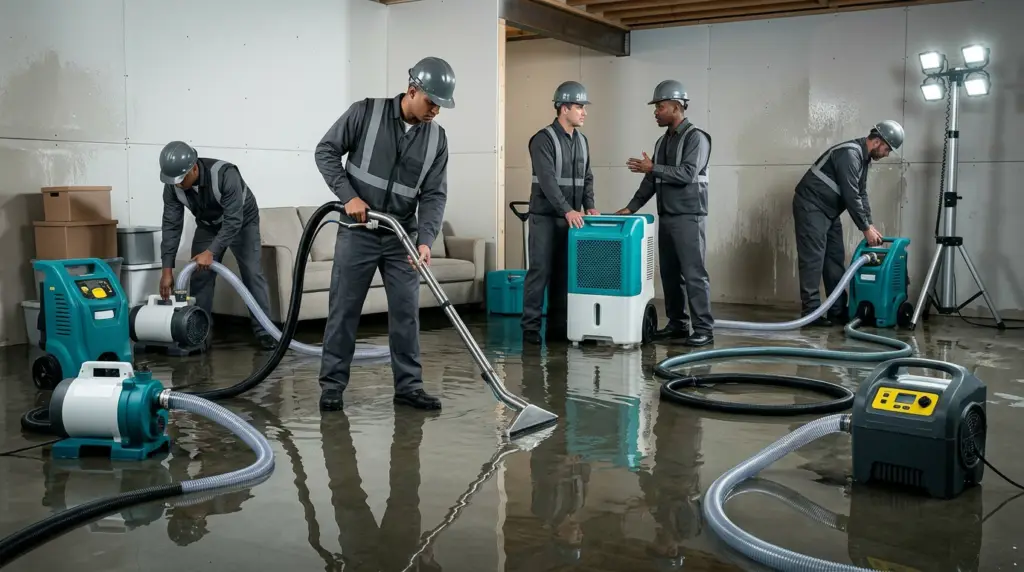
Professional restoration teams use advanced drying equipment, moisture detection tools, and cleaning techniques to restore affected areas efficiently. Their documentation can also provide valuable evidence for insurance claims, helping establish the scope of damage and the restoration work performed.
What Documentation Is Needed for a Water Damage Claim?
Thorough documentation can significantly improve the success of a water damage insurance claim. One of the first steps homeowners should take is photographing and recording all affected areas before cleanup begins whenever possible.
Images should clearly show damaged flooring, walls, ceilings, furniture, and personal belongings. Videos can also help capture the extent of the loss. Maintaining a detailed inventory of damaged items provides additional support during claim evaluations.
Homeowners should save receipts for emergency repairs, temporary accommodations, and restoration services. These expenses may be reimbursable depending on policy provisions. Keeping copies of all communication with the insurance company is equally important.
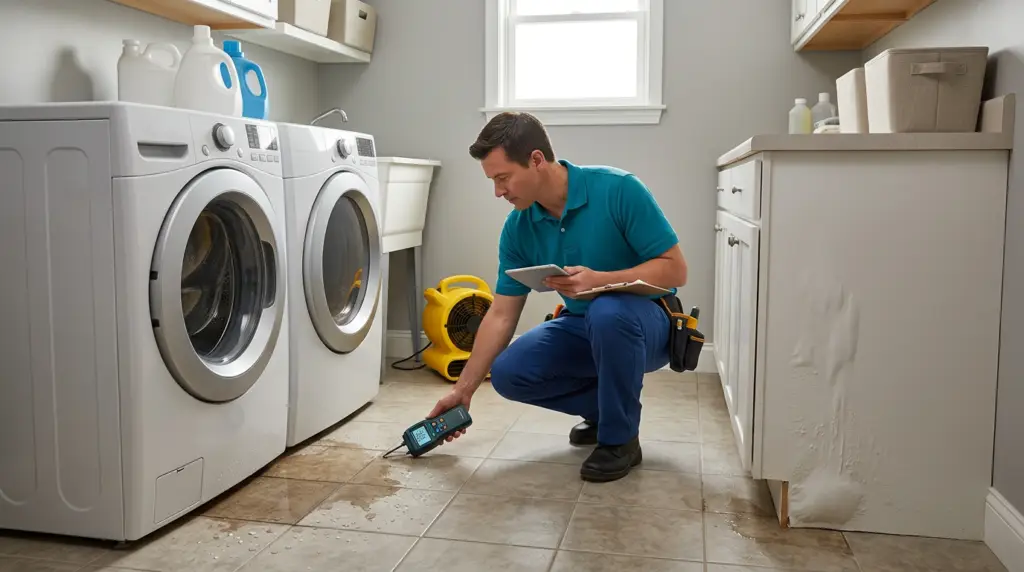
Professional inspection reports can further strengthen a claim. Restoration companies often provide detailed assessments outlining moisture levels, affected materials, and recommended remediation procedures. This information helps insurers understand the severity of the damage and justify restoration costs.
Does Flood Insurance Cover Water Damage Restoration?
Flood insurance operates differently from standard homeowners insurance. While traditional policies often exclude flood-related losses, dedicated flood insurance policies are designed specifically to address these events.
Flood insurance may cover structural repairs, water extraction, debris removal, and restoration services resulting from covered flooding events. Coverage details depend on the policy and provider. Homeowners in high-risk flood zones often purchase separate flood insurance to protect against these losses.
Understanding the distinction between flood damage and other forms of water damage is essential. Water entering a home from ground level due to heavy rainfall or rising water is typically classified as flooding. In contrast, damage caused by a burst pipe inside the home may fall under a homeowners insurance policy.
Reviewing both homeowners and flood insurance policies can help identify potential coverage gaps. Property owners who live in flood-prone areas should strongly consider obtaining flood insurance to ensure adequate protection against costly restoration expenses.
Tips for Maximizing Your Insurance Claim
Successful insurance claims often depend on preparation, prompt action, and clear communication. One of the best strategies is reporting water damage immediately after discovery. Early notification allows the insurer to begin the claims process without unnecessary delays.
Homeowners should document all damage thoroughly and avoid discarding affected materials until instructed by the insurance company. Preserving evidence can help support claim evaluations and prevent disputes.
Working with experienced restoration professionals can also be beneficial. Restoration experts understand the documentation requirements insurers often request and can provide detailed reports supporting the claim.
Reading your policy carefully helps establish realistic expectations regarding coverage limits, deductibles, and exclusions. Asking questions and maintaining regular communication with your insurance representative can prevent misunderstandings throughout the process.
Conclusion
Whether Water Damage Restoration is covered by insurance depends largely on the cause of the damage and the terms of the policy. Sudden and accidental incidents such as burst pipes or appliance failures are often covered, while gradual leaks, maintenance issues, and flood-related losses may require separate coverage or may be excluded altogether. Understanding your policy, documenting damage thoroughly, and acting quickly after an incident can significantly improve the claims process.
If your property has experienced water damage, professional assistance can help protect your investment and support your insurance claim. ServiceMaster Restoration Services proudly serves homeowners and businesses throughout Lisle, Illinois, providing prompt and reliable restoration solutions. For expert guidance and emergency restoration assistance, contact ServiceMaster Restoration Services today at +1 630-241-1111.