Burst and Leaking Pipes
Plumbing problems are one of the most common sources of water damage. Pipes can leak because of corrosion, age, freezing temperatures, high water pressure, loose connections, or physical damage. A small leak may seem harmless, but water can gradually soak into drywall, flooring, insulation, and cabinets.
A burst pipe can create an even more serious emergency. A broken water supply line may release a large amount of water in a short time, allowing it to spread into multiple rooms. If the main water supply is not shut off quickly, the damage can become extensive.
Not every plumbing leak is obvious. Signs can include water stains, peeling paint, warped flooring, damp walls, musty odors, or an unexplained increase in the water bill.
Homeowners should know where their main water shutoff valve is located so they can stop the flow during an emergency. Once the source has been controlled, affected areas should be inspected for hidden moisture. Professional water damage restoration may be necessary if water has penetrated walls, flooring, or other structural materials.
Appliance Leaks and Failures
Household appliances that use water can cause significant damage when their hoses, seals, valves, or internal components fail. Washing machines, dishwashers, refrigerators with water lines, and water heaters are common examples.
A washing machine hose can crack or disconnect and release water across a laundry room in minutes. Dishwasher leaks may initially be difficult to notice because water can collect underneath cabinets or flooring. Over time, this hidden moisture can damage materials beneath the surface.
Water heaters can also become problematic as they age. Corrosion, sediment buildup, pressure issues, and tank deterioration can eventually cause leaks or a complete failure. Since water heaters hold a large amount of water, a sudden leak can quickly affect nearby areas.
Regularly checking hoses and connections can help identify problems before they become emergencies. Look for cracks, rust, dripping water, or moisture around appliances.
If an appliance has leaked, drying the visible water may not address moisture underneath flooring or inside walls. A professional inspection can determine how far the water has traveled and whether additional water damage restoration is needed.

Roof Leaks and Storm Damage
A damaged roof can allow rainwater to enter a home and affect ceilings, attics, walls, and insulation. Missing shingles, cracked flashing, damaged seals, and clogged gutters can all contribute to roof leaks.
Storms can make existing roofing problems worse or create new openings. Strong winds may damage shingles, while heavy rainfall can push water through vulnerable areas. A roof leak may not become noticeable until water has traveled through the structure.
Common warning signs include brown ceiling stains, bubbling paint, damp attic insulation, peeling drywall, and musty odors after rainfall. Even if a ceiling stain appears to dry, the underlying materials may still contain moisture.
Finding and repairing the roof leak is essential, but the interior damage should also be addressed. Moisture can remain trapped inside ceilings and walls after the visible leak has stopped.
Homeowners should have suspected leaks inspected promptly, especially after major storms. Early attention can reduce the amount of structural material affected and help prevent secondary problems.
Clogged Drains and Sewer Backups
Clogged drains can cause water to back up into sinks, showers, bathtubs, toilets, and other areas of the home. Hair, grease, food debris, mineral buildup, and inappropriate items flushed down drains are common causes of blockages.
A sewer backup is particularly concerning because wastewater can contain harmful contaminants. It may spread across floors and soak into porous materials, creating sanitation concerns and making cleanup more complicated.
Warning signs include slow drains, repeated toilet clogs, unpleasant odors, gurgling sounds, and water backing up when other plumbing fixtures are used. Addressing these problems early can help prevent a larger incident.
Heavy rain can also overwhelm drainage or sewer systems in some areas, potentially causing wastewater to enter homes through drains or plumbing fixtures.
If contaminated water enters a property, keep children and pets away from the affected area and avoid unnecessary contact. Professional cleanup may be required to safely remove contaminated materials and address lingering moisture.
Prompt water damage restoration can help homeowners manage the effects of a serious drain or sewer backup and reduce the risk of additional damage.
Basement and Foundation Water Intrusion
Basements are naturally vulnerable to water intrusion because they are below ground level. Heavy rain, melting snow, groundwater, foundation cracks, poor drainage, and inadequate waterproofing can allow water to enter.
Some basement problems develop gradually. Homeowners may notice damp walls, stains, musty smells, peeling finishes, or water collecting around windows and foundation walls. Other incidents can happen suddenly after heavy rainfall and result in significant standing water.
Poor gutter and downspout drainage can make foundation problems worse. If rainwater is directed toward the foundation instead of away from the property, water may collect around the basement walls.
Regular inspections can help homeowners catch moisture problems early. Keeping gutters clear, extending downspouts away from the foundation, maintaining sump pumps, and addressing foundation cracks can help reduce certain risks.
If water has already entered the basement, simply removing standing water may not be enough. Moisture can remain beneath flooring or inside walls and cause further deterioration if it is not properly dried.
Flooding and Severe Weather
Severe weather can introduce large amounts of water into a home in a short period. Heavy rain, flash flooding, hurricanes, overflowing waterways, and rapid snowmelt can all contribute to residential flooding.
Water may enter through doors, windows, garages, foundation openings, or damaged sections of the roof. Once inside, it can quickly spread across floors and become absorbed by drywall, wood, insulation, and other porous materials.
Storms can also create indirect water damage. A fallen tree may break through a roof, while damaged gutters or drainage systems may allow rainwater to collect around the property.
Homeowners can reduce some risks by maintaining their roofs, gutters, downspouts, sump pumps, and drainage systems. It is also helpful to know how to shut off water and utilities safely during an emergency.
After flooding, safety should come first. Standing water may contain contaminants or present electrical hazards. Homeowners should avoid entering unsafe areas and seek professional assistance when the extent of the damage is significant.
Why Fast Water Damage Cleanup Matters
Regardless of the cause, water damage can become worse when it is left untreated. Moisture can travel through porous materials and become trapped beneath floors, behind walls, or inside insulation.
Wet drywall may weaken, wood can warp or swell, flooring can deteriorate, and personal belongings may become harder to save. Lingering moisture can also contribute to unpleasant odors and microbial growth.
The first step is to stop the source whenever it is safe. This may involve shutting off the water supply, contacting a plumber, repairing a roof problem, or addressing another source of intrusion.
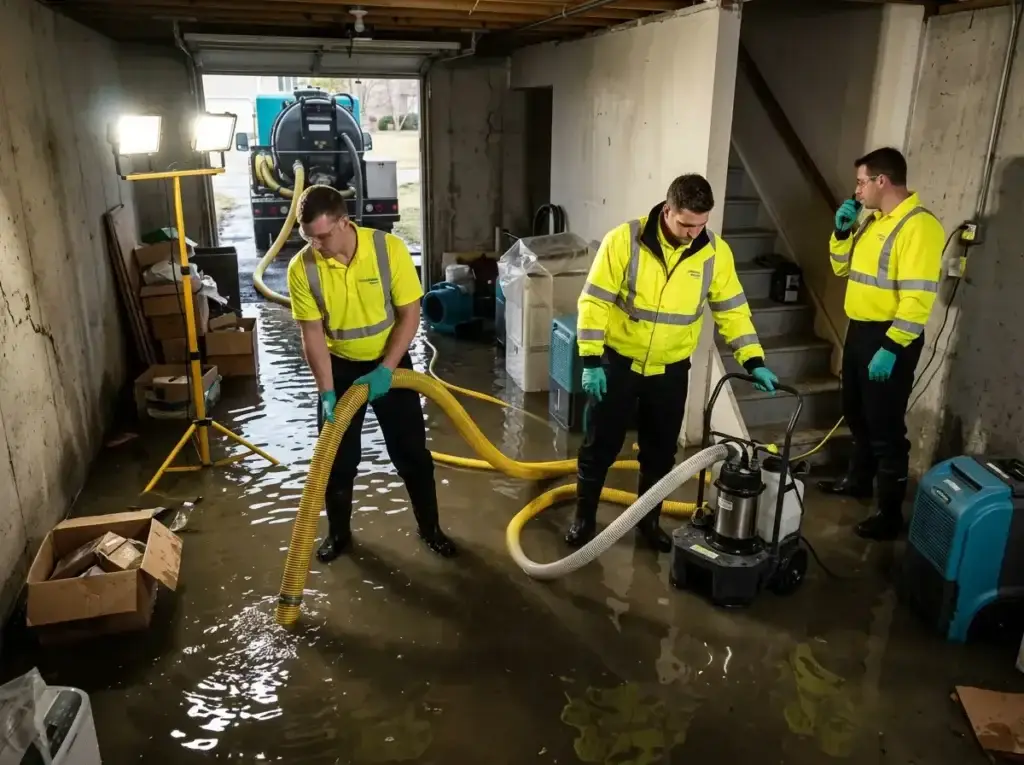
The affected property should then be assessed for both visible and hidden moisture. Small incidents may be manageable with basic cleanup, while larger problems often require professional extraction and drying equipment.
Responding quickly can limit the amount of damage and potentially reduce repair costs. More importantly, it helps prevent a small water problem from developing into a larger property restoration project.
Conclusion
The most common causes of water damage include leaking or burst pipes, appliance failures, roof leaks, clogged drains, sewer backups, basement water intrusion, and severe weather. While some incidents happen suddenly, others develop gradually and remain hidden until noticeable signs appear.
Recognizing these causes can help homeowners respond faster and protect their property. When significant moisture has entered your home, professional water damage restoration can help identify affected areas, remove excess water, dry materials, and address the resulting damage.
For homeowners in Lisle, IL, ServiceMaster Restoration Services is available to help with water-related property emergencies. To discuss your situation and determine the appropriate next step, call +1 630-241-1111.