Amount of Water Involved
The amount of water inside a property is one of the most important factors affecting restoration costs. A small leak confined to one area generally requires less labor and equipment than a major plumbing failure that spreads water across several rooms.
Standing water may require pumps, extractors, air movers, and dehumidifiers. The more water present, the more time and equipment technicians may need to remove it and dry the affected areas properly.
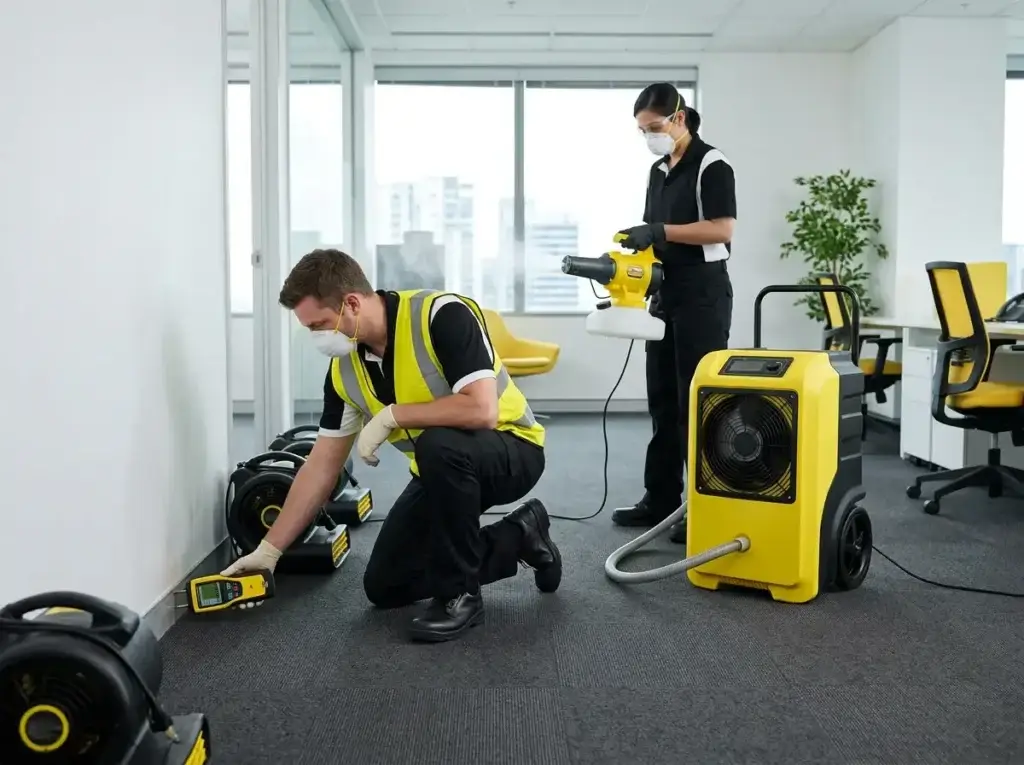
Water can also travel underneath flooring, inside walls, and beneath cabinets. This means visible standing water may not represent the full extent of the problem. Professionals may use moisture-detection equipment to locate hidden moisture before beginning the drying process.
Quickly removing water can help reduce secondary damage. If moisture remains for an extended period, materials may swell, warp, weaken, or become more difficult to restore.
Type and Source of Water
The source of the water can significantly affect the cost. Clean water from a supply pipe is generally less complicated to handle than contaminated water from sewage backups, flooding, or other sources.
Contaminated water may contain bacteria, chemicals, or other harmful substances. Cleaning these situations can require additional protective equipment, specialized procedures, and removal of materials that cannot be safely restored.
Identifying and stopping the source is also essential. A leaking pipe, damaged roof, or faulty appliance must be addressed to prevent additional water from entering the property.
The source also determines what type of cleaning and treatment may be necessary. Restoration professionals evaluate the situation before deciding what equipment and procedures are appropriate.
Size of the Damaged Area
The size of the affected area directly influences the amount of work required. Water damage limited to a bathroom will usually be less expensive to address than damage affecting multiple rooms or floors.
Larger areas require more equipment, labor, and drying time. Water can also travel through flooring and walls, allowing a problem that begins in one location to affect nearby areas.
A property’s layout can make the work more complicated. Finished basements, crawl spaces, narrow areas, and multi-level homes may require additional effort to access and dry affected materials.
Because moisture can remain hidden, professionals often inspect surrounding areas rather than focusing only on visible water. This helps ensure that the entire affected area receives appropriate treatment.
Materials Affected by Water
Different building materials respond differently to moisture. Some surfaces can be cleaned and dried, while others may swell, warp, deteriorate, or require replacement.
Drywall, insulation, carpet padding, and certain types of wood can absorb significant amounts of water. Flooring can also become damaged, particularly when moisture remains trapped underneath it.
Cabinets and built-in features may create additional challenges because moisture can become trapped in concealed spaces. Removing certain materials may be necessary to allow the structure underneath to dry completely.
The condition and age of the materials can also influence whether restoration or replacement makes more sense. A professional assessment can help determine which materials are salvageable and which should be removed.
How Long the Water Has Been Present
Time is a major factor in restoration costs. Water that is removed quickly may cause less damage than moisture that remains untreated for several days.
Prolonged moisture exposure can cause drywall to deteriorate, wood to swell, flooring to buckle, and adhesives to fail. It can also create conditions that support microbial growth.
Hidden leaks can be especially problematic because they may go unnoticed. A slow leak behind a wall or underneath a floor can continue damaging materials without creating obvious standing water.
Prompt inspection can help identify the extent of the moisture problem. Although immediate action cannot guarantee a low restoration bill, it can reduce the possibility of secondary damage and more extensive repairs.
Equipment and Drying Requirements
The amount of equipment required can affect the overall cost. Professional restoration may involve commercial air movers, dehumidifiers, water extractors, pumps, and moisture-monitoring tools.
A small affected area may require only a few machines, while extensive damage can require multiple pieces of equipment operating for several days.
Drying time depends on factors such as humidity, temperature, airflow, construction materials, and how deeply moisture has penetrated the property.
Simply removing visible water is not enough. Moisture can remain inside walls, flooring, and other materials even when surfaces appear dry. Professionals may monitor moisture levels throughout the process to determine when drying is complete.

Repairs and Material Replacement
Restoration may involve more than removing water and drying the property. If building materials have sustained significant damage, repairs or replacement may be necessary.
Damaged drywall, flooring, insulation, baseboards, cabinetry, and other finishes can add to the total cost. Structural components may also require additional inspection if water has reached framing or subflooring.
The source of the damage may create additional repair needs. For example, a roof leak may require roofing repairs, while a burst pipe may require plumbing work before restoration can be completed.
Not every damaged material needs to be replaced. Professionals can assess whether items can be safely restored, helping property owners avoid unnecessary replacement costs while addressing the damage appropriately.
Emergency Response and Accessibility
The property’s accessibility and the timing of the response can also influence restoration expenses. Difficult-to-reach areas, crawl spaces, finished walls, and complicated layouts can require additional labor.
Water emergencies can happen at any time, including nights, weekends, and holidays. When water is actively spreading, an emergency response may be necessary to begin extraction and drying as quickly as possible.
Fast action can help limit how far moisture spreads and reduce the likelihood of additional damage. However, emergency response does not determine the entire cost. The severity, affected materials, equipment requirements, and necessary repairs remain important factors.
Property owners should request a clear estimate explaining what services are included. Understanding the expected labor, equipment, extraction, drying, cleaning, and repair work can make restoration costs easier to evaluate.
How Can You Reduce Water Damage Restoration Costs?
Although water damage cannot always be prevented, homeowners can take steps to limit its impact. If it is safe, stop the water source and move valuables away from affected areas. Avoid unnecessary contact with contaminated water.
Contacting professionals quickly can help identify hidden moisture before it causes additional damage. Homeowners should also photograph affected areas and damaged belongings if they may need to file an insurance claim.
It is important not to assume that visibly dry areas are completely unaffected. Moisture can remain beneath flooring, behind walls, or inside cabinets.
Choosing an experienced restoration company can help ensure the property is properly inspected, dried, and cleaned. A written estimate can also help homeowners understand what work is necessary and what costs may be involved.
Conclusion
The cost of water damage restoration depends on several factors, including the amount and type of water, size of the affected area, damaged materials, length of exposure, equipment requirements, and necessary repairs. Accessibility and emergency response can also influence the overall expense.
Responding quickly is one of the best ways to limit additional damage. Professional inspection can identify hidden moisture and determine which materials can be restored rather than replaced.
For property owners dealing with water damage in Lisle, IL, ServiceMaster Restoration Services can provide professional assistance with assessing and addressing water-related problems. To discuss your restoration needs or request assistance, call +1 630-241-1111.