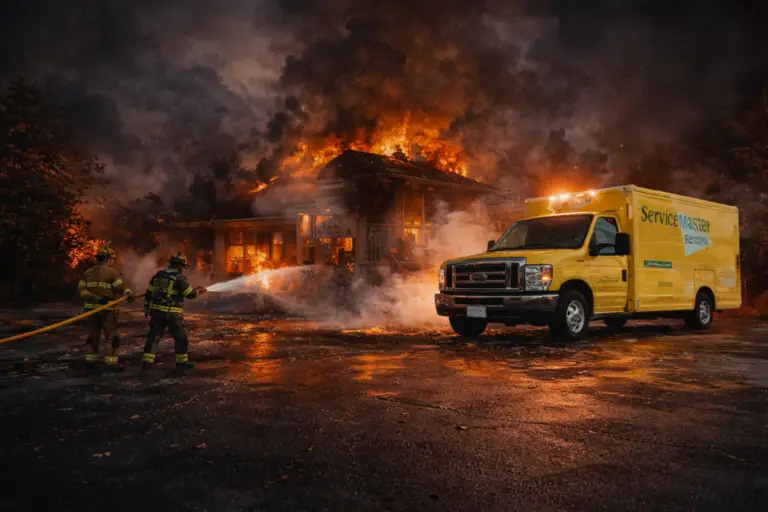
A fire can change everything in minutes. Even when the flames are contained quickly, the aftermath often feels overwhelming. Property owners are left dealing with visible destruction, heavy smoke odor, water from firefighting efforts, soot on surfaces, and uncertainty about what can be cleaned, repaired, or saved. In those first hours, it is easy to focus only on what looks burned. But fire damage is rarely limited to blackened materials. It affects air quality, structural stability, contents, and the overall safety of the property.
That is why recovery after a fire should begin with a clear and organized plan. The right next steps help protect the property from additional loss and give owners a more realistic path back to normal. Whether the damage affects a home, office, retail space, or other building, recovery works best when it balances urgency with professional assessment. Fast action matters, but smart action matters just as much.
The First Priorities After a Fire Event

The first phase of fire recovery is about stabilization. Before repairs can begin, the property must be made safe, secured, and properly evaluated. This is an important point because many owners want to start cleaning immediately. In reality, rushing into cleanup without understanding the extent of smoke, soot, structural weakening, and water intrusion can make the situation more difficult.
One of the earliest priorities is confirming that the property is safe to enter. Fire can compromise roofs, framing, flooring, ceilings, windows, and utility systems. Even a contained fire may create risks that are not obvious to someone walking through the site. Once safety is established, the next step is protecting the structure from further exposure. Broken openings, roof damage, and compromised entry points can leave the building vulnerable to weather, theft, and additional deterioration.
Documentation also begins early. Photos, videos, and itemized notes support insurance communication and help guide the restoration scope. This is also the stage where contents, salvageable materials, and unsalvageable debris begin to be separated in a more organized way. Strong recovery starts with control, and control begins with assessment, stabilization, and documentation.
Hidden Damage That Often Gets Overlooked
After a fire, many owners focus on burned rooms and assume the rest of the building is largely unaffected. Unfortunately, fire damage tends to travel beyond the original flames.
- Smoke residue can spread through the entire property, reaching hallways, vents, adjacent rooms, and upper levels even when fire activity was limited.
- Soot can become acidic over time, which means delays in cleanup may lead to further staining and surface deterioration.
- Odors settle into porous materials, including insulation, upholstery, wood, drywall, and HVAC systems, making ordinary cleaning ineffective.
- Water damage from suppression efforts can create a second layer of restoration needs, especially in floors, ceilings, wall cavities, and lower levels.
- Air quality may remain compromised long after the fire is out, especially if soot particles continue circulating through ventilation systems.
Understanding these hidden effects is what separates basic cleanup from full restoration. Fire recovery is never only about what burned. It is also about what smoke, soot, and moisture did afterward.
How the Restoration Process Typically Unfolds
A professional fire damage recovery plan usually moves through several connected phases rather than one single cleanup event. It often begins with emergency services such as board-up work, roof tarping, and temporary stabilization. These steps reduce further exposure and allow the interior restoration process to start in a more controlled environment.
Next comes debris removal and detailed assessment. Damaged materials are identified, contents are categorized, and affected surfaces are inspected for smoke and soot impact. From there, cleaning and deodorization begin. This is a technical phase because different residues behave differently depending on what burned, how hot the fire was, and what surfaces were affected. Improper cleaning methods can set stains or spread residue further.
At the same time, odor removal must go deeper than masking. If smoke has reached insulation, ductwork, or porous finishes, the restoration plan should account for that. Structural drying may also be required when water from firefighting efforts remains trapped in the building. Only after these phases are handled properly can rebuilding and final restoration move forward with confidence. The process may feel extensive, but each step protects the long-term recovery result.
Costly Mistakes Property Owners Should Avoid
When people are stressed and exhausted after a fire, it is natural to want quick solutions. But certain decisions often create bigger setbacks later.
- Do not begin aggressive cleaning on your own. Rubbing soot into walls, fabrics, or finishes can make damage worse and harder to remove.
- Do not ignore smoke in unaffected rooms. If odor has traveled, residue usually has too.
- Do not delay emergency board-up or tarping. Secondary damage from weather or unauthorized entry can expand the loss significantly.
- Do not throw away damaged items too quickly. Some contents may be salvageable, and some may need to be documented first for claim purposes.
- Do not assume the property is dry just because flames are out. Water from suppression is a major part of post-fire restoration.
- Do not hire based on speed alone. Fast response matters, but so does a complete, professional plan.
Avoiding these mistakes makes the recovery process more efficient and reduces the chance of repeat work, disputed claims, or incomplete restoration.
Why Documentation and Insurance Support Matter

One of the most stressful parts of fire recovery is dealing with insurance while also trying to make immediate decisions about safety, cleanup, and next steps. This is why organized documentation is so important from the beginning. Good records support the timeline of the loss, the extent of damage, and the condition of the property before major cleanup work changes what is visible.
Documentation should include overview photos, room-by-room images, close-ups of damaged structural elements, damaged contents, and areas impacted by smoke, soot, and water. Notes should also track emergency measures taken after the incident, including board-up, tarping, or temporary relocation decisions. The more organized the record, the easier it becomes to communicate the true scope of the loss.
Professional restoration teams often help support this phase by documenting moisture, residue, affected materials, and recommended restoration steps. That can be especially helpful when the loss includes both direct fire damage and secondary water or smoke effects. Insurance support is not just paperwork. It is part of building a clear, defensible path toward full recovery.
What to Expect From a Strong Fire Restoration Partner
The right restoration partner should bring more than labor and equipment. They should bring clarity during a chaotic situation.
- Fast emergency response helps secure the property and reduce further loss.
- A structured assessment process provides a realistic understanding of what is damaged, what can be restored, and what comes next.
- Specialized smoke and soot cleanup protects surfaces, contents, and indoor air quality more effectively than general cleaning.
- Odor removal that targets the source produces a better long-term result than temporary masking methods.
- Support through documentation and claims communication helps owners move through the administrative side of recovery more confidently.
- A full restoration mindset ensures the goal is not only cleanup, but a safe return to pre-loss function and appearance.
When a fire happens, owners do not just need workers. They need a team that can steady the process, explain priorities, and help move the property from emergency to recovery with professionalism.
Get Fire Damage Recovery Started the Right Way
After a fire, you need more than cleanup. You need a team you can trust to help restore safety, comfort, and confidence. ServiceMaster Restore provides responsive support for homes and businesses dealing with smoke, soot, odor, and structural fire damage. We proudly service this area from Lisle to Woodridge, bringing local help when you need it most.
Contact ServiceMaster Restore now to begin your fire damage recovery with confidence.