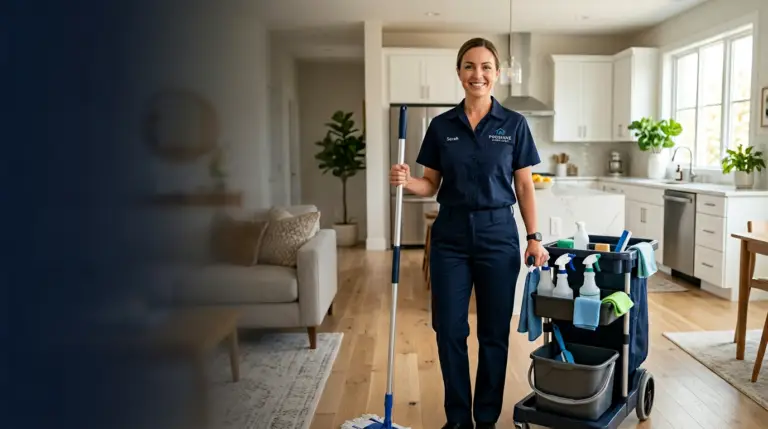
Clean spaces do more than look good. They influence comfort, perception, productivity, and overall well-being every single day. In a home, cleanliness supports a more organized and comfortable environment for daily life. In a business, it shapes the way employees work, how customers feel, and how the property is judged from the moment someone walks through the door. That is why professional cleaning should not be viewed as an occasional luxury. It is a practical part of maintaining healthy, functional spaces over time.
Many owners wait until a property looks obviously dirty before scheduling deeper service. By that point, however, buildup has often spread into corners, baseboards, high-touch surfaces, overlooked fixtures, and hard-to-reach areas that routine tidying does not fully address. Professional cleaning strategies are about staying ahead of that cycle. Instead of reacting only when a space looks tired, owners create a plan that supports cleanliness, consistency, and better long-term upkeep.
Why Professional Cleaning Has a Bigger Impact Than Many Expect

Most people think about cleaning in visual terms first. They picture polished floors, clean counters, dust-free surfaces, and fresh-smelling rooms. While those outcomes matter, the bigger impact is often functional. A professionally cleaned space is easier to maintain, easier to use, and less likely to accumulate the kind of neglected buildup that leads to poor impressions or avoidable hygiene concerns.
In homes, professional cleaning can reduce stress and help families stay ahead of demanding schedules. In workplaces, it supports a more professional atmosphere and shows care for staff and visitors alike. Retail and client-facing spaces especially benefit from consistency because cleanliness shapes trust. People notice dirty glass, neglected floors, dusty corners, and restroom issues quickly, even when they do not mention them.
There is also a difference between surface maintenance and deeper care. Routine wiping and sweeping are useful, but they do not always address buildup in edges, vents, fixtures, baseboards, upholstery, or post-project debris. Professional cleaning closes that gap. It creates a more complete standard and helps prevent the gradual decline that many spaces experience when no structured plan is in place.
Signs It May Be Time to Bring in Professional Help
Some properties clearly need a reset, but others send quieter signals. Knowing those signals helps owners take action before the space feels far gone.
- The property looks tidy but never feels truly clean. This often means detail areas and hidden buildup are being missed.
- Dust returns quickly after basic cleaning. That can point to neglected surfaces, vents, textiles, or traffic-heavy zones.
- High-touch areas show grime or wear, especially in kitchens, bathrooms, entries, or shared workspaces.
- Cleaning has become inconsistent because schedules are too busy or the property is too large to manage well without support.
- Seasonal changes, move-ins, renovations, or business shifts have created a need for deeper service than routine maintenance can handle.
- You are preparing for guests, tenants, staff return, or client visits and want the space to reflect a stronger standard.
Recognizing these signs early helps owners treat professional cleaning as planned maintenance instead of a last-minute rescue.
Residential and Commercial Spaces Need Different Strategies
Not all properties need the same cleaning rhythm, and one of the most effective strategies is matching the service to the real use of the space. Residential cleaning often prioritizes comfort, household routines, kitchens, bathrooms, bedrooms, and living areas where dust, daily activity, and family schedules affect cleanliness in very personal ways. Homeowners typically benefit from a strategy that balances recurring upkeep with occasional deeper resets.
Commercial spaces work differently. Offices, retail stores, waiting rooms, shared work zones, and public-facing areas deal with traffic patterns, presentation standards, and sanitation concerns at a different scale. In these settings, consistency matters as much as depth. The property has to look ready for staff, customers, and visitors on an ongoing basis, not just after occasional deep cleaning.
Then there are specialized moments that affect both residential and commercial properties, such as post-construction cleanup, seasonal resets, event preparation, or recovery after a period of neglect. A strong cleaning provider should be able to adjust the plan to fit the property type, the schedule, and the level of detail required. Customization is what turns cleaning from a task into a real property care strategy.
What a Strong Cleaning Plan Should Include
A professional cleaning strategy works best when it is specific instead of generic.
- A clear assessment of the space helps define priorities, traffic zones, problem areas, and service frequency.
- Routine maintenance tasks keep visible areas consistently clean and reduce the amount of buildup that develops over time.
- Deep cleaning components address baseboards, fixtures, detailed surfaces, neglected corners, and harder-to-reach areas.
- Attention to kitchens, bathrooms, and high-touch points supports hygiene and daily usability.
- Flexible scheduling allows the service to fit around occupancy, work hours, family needs, or special site conditions.
- A final quality review helps ensure the work meets expectations and creates consistency from one visit to the next.
When these elements are built into the plan, cleaning becomes more predictable, more efficient, and easier to maintain between visits.
Why Deep Cleaning and Specialty Service Matter

Routine cleaning is important, but it cannot do everything. Over time, spaces develop layers of buildup that need more focused attention. This is where deep cleaning becomes valuable. It targets the areas most likely to be overlooked during normal upkeep, such as trim, corners, detailed fixtures, grout lines, edges, vents, and buildup around frequently touched or heavily used surfaces.
Specialty cleaning also matters in moments of transition. Post-construction cleanup is a strong example. After renovation or building work, dust, debris, residue, and fine particles often remain long after the project appears complete. Standard cleaning usually is not enough to fully prepare the space for occupancy. Seasonal resets can also benefit from deeper service, especially when a property has been closed up, heavily used, or only lightly maintained for a period of time.
The goal of deep cleaning is not simply to make a space look better for one day. It is to restore a stronger baseline. Once that baseline is reestablished, ongoing maintenance becomes more effective and less stressful. That is why the best results often come from combining routine service with strategically timed deep cleaning.
How to Keep Results Longer Between Professional Visits
A professional visit creates momentum, and simple habits help preserve that result.
- Treat entry points as control zones by reducing what gets tracked into the property.
- Address spills, splashes, and bathroom moisture quickly so grime and residue do not settle in.
- Keep clutter under control because clean surfaces are easier to maintain than crowded ones.
- Rotate attention to overlooked areas like vents, corners, appliance exteriors, and trim between major visits.
- Use a realistic cleaning schedule that fits the way the property is actually used, not an ideal routine no one can maintain.
- Plan periodic deep cleaning in advance instead of waiting until the space feels unmanageable.
These habits support the work already done and help properties stay cleaner, longer. The goal is not perfection every day. It is building a realistic routine that protects comfort, appearance, and property standards over time.
Create a Cleaner, Healthier Space Starting Today

A cleaner property supports better comfort, presentation, and peace of mind. Whether you need residential cleaning, commercial support, or deep cleaning services, ServiceMaster Restore is ready to help you maintain a healthier environment. We proudly service this area from Lisle to Woodridge, providing reliable cleaning solutions tailored to your needs.
Contact ServiceMaster Restore today to schedule professional cleaning services for your property.