Ensure Everyone’s Safety First
The first priority after discovering water damage is ensuring the safety of everyone inside the property. Water can create dangerous situations that aren’t immediately obvious. Electrical hazards, weakened flooring, slippery surfaces, and contaminated water all pose serious risks.
If water is near electrical outlets, appliances, or your breaker panel, avoid entering the affected area until power has been safely turned off. If you’re unsure whether it’s safe, contact your utility company or a licensed electrician before entering flooded spaces.
Next, determine where the water is coming from. If the source is a burst pipe or plumbing leak, shut off the main water supply immediately. Stopping the flow of water prevents additional damage and gives you more control over the situation.
Not all water damage is the same. Clean water from a broken supply line presents fewer health risks than sewage backups or floodwater, which may contain bacteria, chemicals, or other harmful contaminants. Avoid direct contact with contaminated water whenever possible.
Once everyone is safe, you can begin assessing the damage and planning the next steps. Quick action during these first moments often has the biggest impact on reducing repair costs and speeding up the recovery process.
Stop the Source of the Water
One of the most important actions after water damage is stopping the water at its source. Even a small leak can continue causing damage if left unchecked for hours.
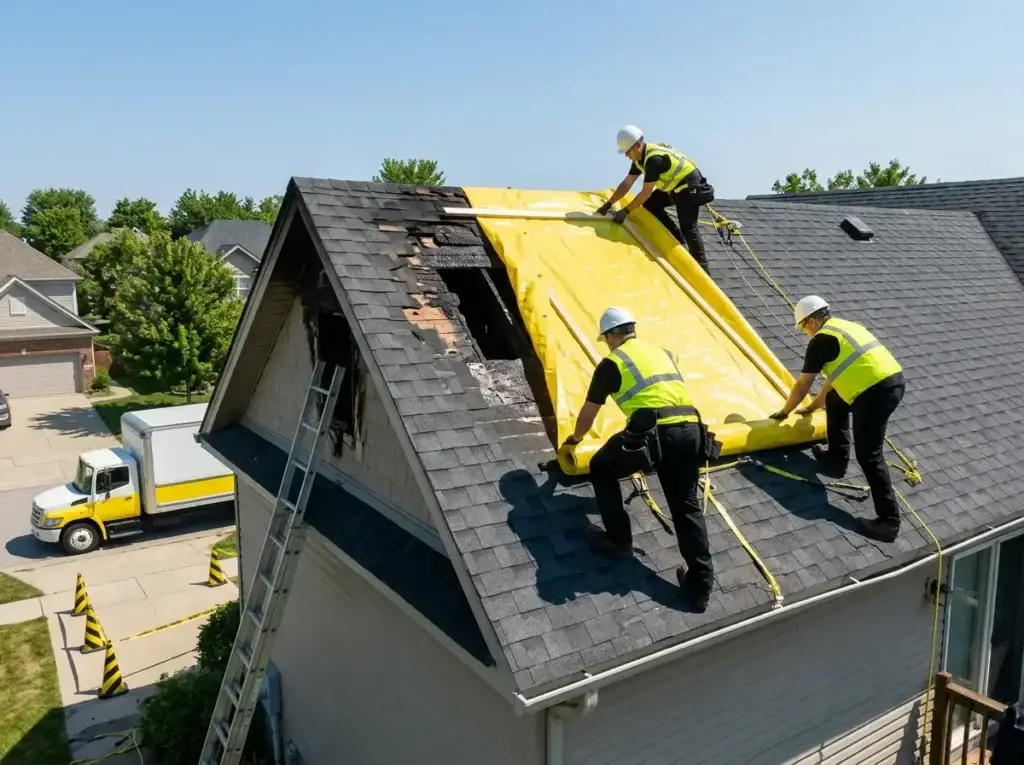
If the issue is plumbing-related, shut off the home’s main water valve immediately. For appliance leaks, disconnect the appliance and turn off its water supply. During heavy storms, temporary measures such as covering damaged roof areas with tarps may help reduce additional water intrusion until permanent repairs can be completed.
If you’re unable to locate or stop the source safely, it’s best to contact emergency plumbing or restoration professionals. Continuing water exposure can quickly soak drywall, insulation, flooring, and structural framing.
After stopping the leak, inspect nearby rooms for hidden moisture. Water often travels behind walls, beneath flooring, and through ceilings before becoming visible. What appears to be a small leak may have affected multiple areas of your home.
Addressing the source immediately is one of the most effective ways to reduce the extent of the damage and begin the restoration process on the right path.
Document the Damage for Insurance
Before beginning cleanup, take time to thoroughly document the affected areas. This step is especially important if you plan to file an insurance claim.
Use your phone or camera to capture clear photos and videos of every damaged room. Include wide shots of entire spaces as well as close-up images showing damaged flooring, walls, furniture, electronics, and personal belongings.
If possible, make a written inventory of damaged items, including purchase dates and estimated values. Keep receipts for emergency repairs, temporary accommodations, and cleanup supplies, as these expenses may be reimbursable depending on your insurance coverage.
Avoid throwing away damaged items until your insurance adjuster has had an opportunity to inspect them unless they present immediate health or safety hazards.
Accurate documentation creates a stronger insurance claim and helps establish the extent of the damage before repairs begin. It also gives restoration professionals valuable information when creating a recovery plan.
Remove Standing Water Quickly
Standing water should be removed as soon as it is safe to do so. The longer water remains inside your home, the greater the damage becomes.
Within just a few hours, water begins soaking into flooring, drywall, furniture, and insulation. Wooden materials may swell, carpeting becomes saturated, and moisture spreads into hidden structural spaces.
Small amounts of water may be removed using mops, towels, wet vacuums, or pumps if conditions are safe. However, extensive flooding often requires commercial extraction equipment capable of removing hundreds of gallons efficiently.
Professional water damage restoration companies use high-powered extraction systems that remove water much faster than household equipment. Faster removal significantly reduces drying time and lowers the risk of mold development.
Even after visible water has been removed, moisture often remains trapped inside walls, subfloors, and insulation. Complete extraction is only the beginning of the drying process.
Begin Drying the Affected Areas
Removing water is only part of the recovery process. Drying the property completely is equally important.
Open windows when weather conditions allow and use fans to improve airflow. Dehumidifiers help remove excess moisture from the air, speeding up the drying process and reducing humidity levels throughout the home.
Furniture cushions, rugs, and wet fabrics should be separated and dried individually. Remove wet area rugs whenever possible to prevent moisture from becoming trapped underneath.
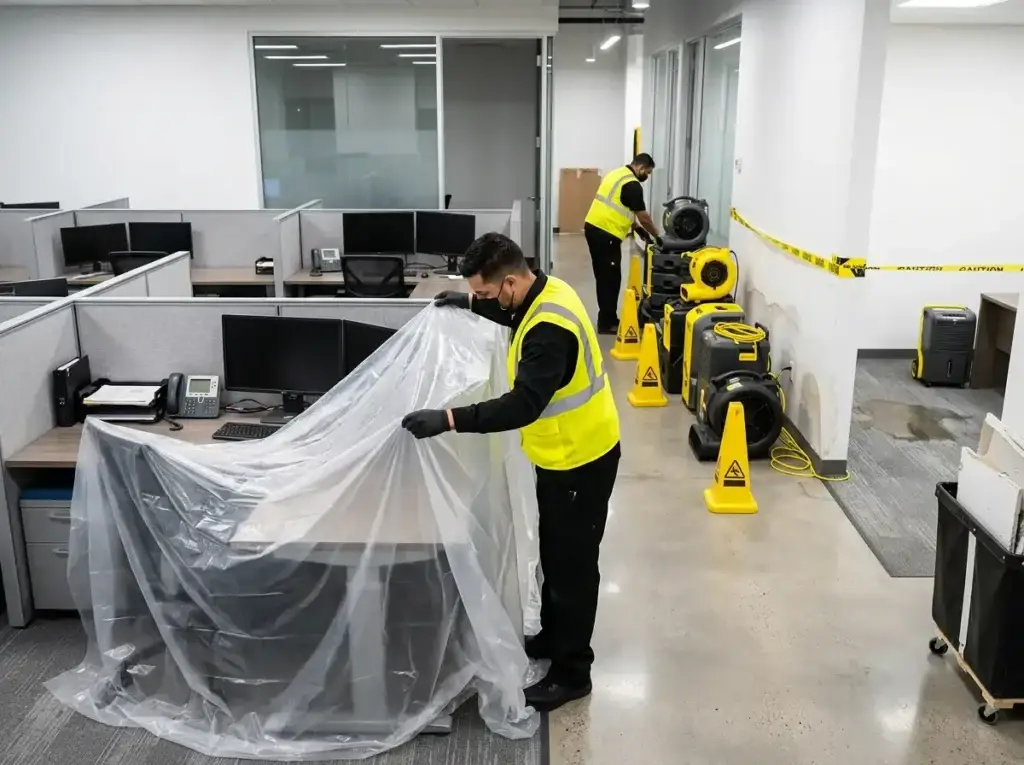
Professional drying equipment includes commercial air movers, industrial dehumidifiers, and moisture meters that monitor hidden dampness. These tools help ensure moisture is eliminated from areas that cannot be seen with the naked eye.
Protect Your Belongings
Many personal belongings can be saved if they’re handled quickly after water damage.
Move furniture away from wet areas whenever possible. Place aluminum foil or wooden blocks beneath furniture legs to reduce additional moisture absorption. Electronics should remain unplugged until they have been inspected and declared safe.
Important documents, family photographs, and sentimental items deserve immediate attention. Air drying may help preserve some paper items, while freezing severely wet documents can sometimes prevent further deterioration until professional restoration is available.
Clothing, linens, and washable fabrics should be cleaned promptly to reduce staining and odor development. Items exposed to contaminated water may require specialized cleaning or disposal.
Watch for Mold Growth
Mold can begin growing surprisingly quickly after water damage. Under favorable conditions, mold may start developing within 24 to 48 hours.
Signs of mold include musty odors, discoloration on walls or ceilings, peeling paint, and increased allergy symptoms among occupants. Hidden mold often develops behind drywall, beneath flooring, and inside insulation where moisture remains trapped.
Because mold spreads through airborne spores, disturbing affected materials without proper protective equipment may worsen contamination throughout the property.
Professional water damage restoration specialists monitor moisture levels carefully to reduce mold risks before they become major problems. If mold has already developed, specialized remediation techniques are often required to remove contamination safely.
Know When to Call Professional Restoration Experts
Some small spills can be cleaned independently, but significant water damage usually requires professional assistance.
If water has affected multiple rooms, ceilings, hardwood flooring, insulation, or structural materials, professional restoration is strongly recommended. Hidden moisture can remain long after surfaces appear dry.
Restoration professionals perform comprehensive inspections using thermal imaging cameras and moisture detection equipment to locate water hidden behind walls and beneath flooring. They then create customized drying plans designed to restore the property as efficiently as possible.
Experienced technicians also assist with insurance documentation, monitor drying progress daily, and help prevent secondary issues like mold or structural deterioration.
Prevent Future Water Damage
Once your property has been restored, it’s wise to take steps that reduce the risk of future water damage.
Inspect plumbing regularly for signs of leaks, corrosion, or worn fittings. Replace aging water supply lines before they fail unexpectedly. Clean gutters and downspouts to ensure rainwater drains away from your home’s foundation.
Install water leak detectors near appliances, water heaters, washing machines, and under sinks. These affordable devices provide early warnings before minor leaks become major disasters.
Routine roof inspections help identify damaged shingles, flashing, or seals that could allow water intrusion during storms. Maintaining proper drainage around your home’s exterior also protects the foundation from excess moisture.
Conclusion
Responding quickly after water damage can significantly reduce repair costs, protect your belongings, and prevent long-term problems like mold and structural deterioration. Prioritizing safety, stopping the source of the water, documenting the damage, removing standing water, drying affected areas, and knowing when to seek professional help all contribute to a successful recovery. When extensive damage occurs, experienced professionals can ensure every hidden area is properly dried and restored. If you need dependable water damage restoration services in Lisle, contact ServiceMaster Restoration Services for prompt, professional assistance. Their experienced team is ready to help restore your property and minimize further damage. Call +1 630-241-1111 today to schedule emergency restoration services and protect your home or business.
https://www.podomatic.com/podcasts/celestinaheavenly9podcast/episodes/2026-08-26T05_23_05-07_00
https://stream.redcircle.com/episodes/7b8410ae-2cc8-4a63-b68f-bb21f624e094/stream.mp3