Hardwood floors are one of the most attractive and valuable features in any home, but they can also be vulnerable to water damage. Whether the cause is a burst pipe, appliance leak, roof problem, or flooding event, water can quickly seep into wood flooring and cause serious issues. Many homeowners wonder if their floors can be saved or if complete replacement is the only option.
The good news is that in many cases, Water Damage Restoration can successfully restore hardwood floors when action is taken quickly. Professional restoration techniques help remove excess moisture, prevent further deterioration, and improve the chances of preserving the original flooring. Understanding how water affects hardwood and what restoration professionals can do is essential for protecting your investment and minimizing repair costs.
Understanding How Water Affects Hardwood Floors
Hardwood is a natural material that absorbs moisture from its environment. When water enters a home, hardwood floors begin absorbing that moisture almost immediately. The amount of damage depends on how much water is present and how long it remains trapped within the flooring.
As wood absorbs water, it expands. This expansion can cause boards to swell, cup, buckle, or warp. In severe situations, prolonged exposure may weaken the wood fibers and compromise the structural integrity of the floor.
The type of water involved also matters. Clean water from a supply line leak may cause less damage than contaminated floodwater. Dirty water can introduce bacteria, debris, and other contaminants that increase restoration challenges.
Because hardwood reacts so quickly to moisture, immediate action is crucial. Professional assessment can determine whether the flooring can be restored or if replacement is necessary.
Signs That Hardwood Floors Have Water Damage
Recognizing water damage early can significantly improve restoration outcomes. Some signs are obvious, while others may develop gradually over time.
One common indicator is cupping, where the edges of floorboards rise higher than the center. This occurs when moisture accumulates beneath the flooring. Another sign is crowning, which causes the center of the boards to rise above the edges.
Discoloration can also indicate moisture exposure. Dark spots, stains, or changes in wood color often suggest water penetration. Homeowners may also notice a musty odor, which can signal hidden moisture and mold growth beneath the flooring.
Loose boards, cracking finishes, and unusual squeaking may develop as moisture alters the wood’s structure. If any of these symptoms appear, a professional inspection should be scheduled promptly.
Early identification allows restoration specialists to address moisture before extensive damage occurs, increasing the likelihood of saving the floor.
Why Quick Response Is Critical
Time plays a major role in determining whether hardwood floors can be restored successfully. The longer water remains in contact with wood, the more extensive the damage becomes.
Within hours, water begins penetrating beneath the floor surface. Over the next several days, swelling and distortion may worsen. Prolonged exposure can lead to mold growth, adhesive failure, and permanent structural damage.
Professional Water Damage Restoration services focus on rapid response because immediate moisture removal significantly improves recovery outcomes. Specialized drying equipment helps reduce moisture levels before severe deformation develops.
Quick intervention can also prevent secondary damage to subfloors, walls, and surrounding building materials. Addressing moisture promptly often results in lower repair costs and shorter recovery times.
Homeowners should never assume that hardwood floors will dry naturally. Hidden moisture can remain trapped beneath the surface long after visible water disappears.
The Professional Hardwood Floor Restoration Process
Restoring hardwood floors requires much more than simply removing visible water. Professional restoration companies use a systematic approach designed to recover flooring while preventing future problems.
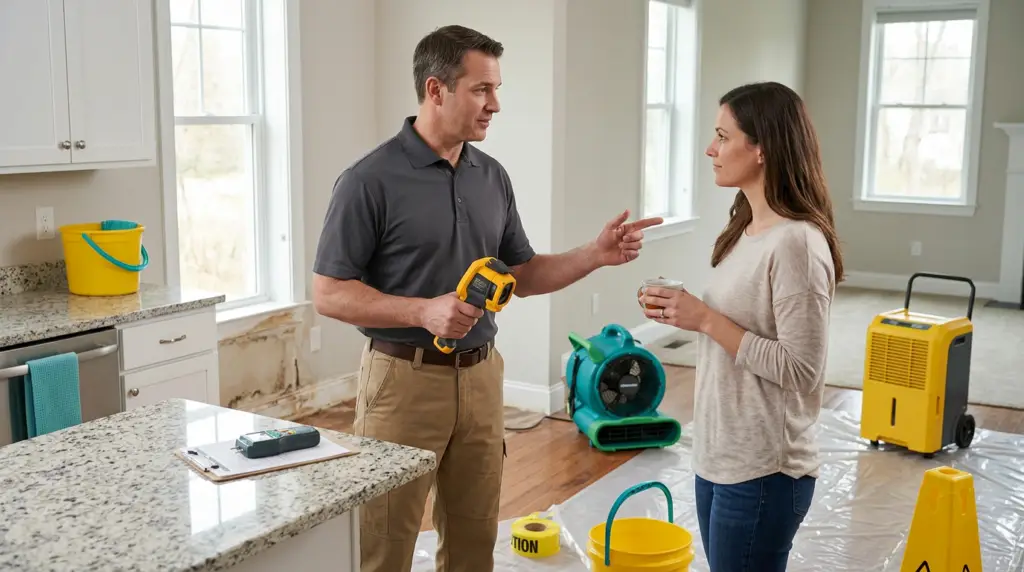
The process begins with a comprehensive inspection. Technicians use moisture meters and thermal imaging equipment to identify affected areas and determine moisture levels throughout the flooring system.
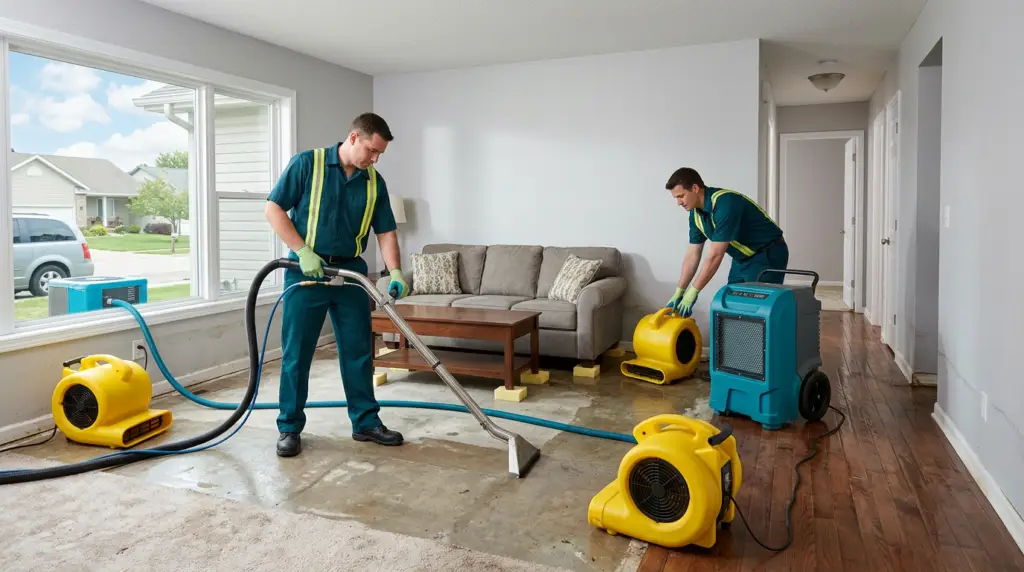
Water extraction is performed to remove standing water. Once extraction is complete, specialized drying equipment is strategically placed to accelerate evaporation and control humidity.
Throughout the drying process, technicians monitor moisture readings regularly. This ensures the wood dries evenly and reaches acceptable moisture levels before repairs begin.
After drying, professionals evaluate whether sanding, refinishing, board replacement, or additional repairs are necessary. This methodical process helps maximize restoration success while minimizing unnecessary replacement costs.
Can Warped or Buckled Floors Be Saved?
Many homeowners assume warped or buckled hardwood floors must be replaced immediately. However, this is not always the case.
When caught early, some warping can improve as moisture levels return to normal. As the wood dries gradually and evenly, boards may partially or fully return to their original shape. Professional drying techniques are specifically designed to support this recovery process.
Buckling presents a more serious challenge because boards may lift away from the subfloor. Even so, some sections can often be repaired rather than completely replaced.
The outcome depends on factors such as the severity of the damage, wood species, installation method, and duration of water exposure. Professional assessment is essential for determining the most cost-effective solution.
In many situations, targeted repairs combined with refinishing can restore the floor’s appearance and functionality without requiring complete replacement.
The Role of Moisture Detection Technology
Modern restoration technology has significantly improved the ability to save hardwood floors. Advanced moisture detection tools allow professionals to locate hidden water that may otherwise go unnoticed.
Moisture meters provide precise readings that help technicians monitor drying progress. Thermal imaging cameras can reveal moisture trapped beneath flooring surfaces and behind walls.
These tools eliminate guesswork and help ensure no affected areas are overlooked. Hidden moisture is one of the leading causes of long-term damage following water incidents.
Accurate moisture detection also helps restoration specialists determine when drying is complete. Drying too quickly or stopping too soon can create additional flooring problems.
Technology-driven restoration strategies improve efficiency, reduce unnecessary demolition, and increase the likelihood of preserving existing hardwood flooring.
Preventing Mold Growth Beneath Hardwood Floors
Mold growth is one of the biggest concerns following water damage. Hardwood flooring may appear dry on the surface while moisture remains trapped underneath.
When moisture persists, mold can begin developing within 24 to 48 hours under favorable conditions. This hidden growth can affect indoor air quality and create additional restoration challenges.
Professional restoration companies use commercial-grade dehumidifiers and air movers to eliminate excess moisture from both flooring and subfloor materials. Antimicrobial treatments may also be applied when appropriate.
Proper drying is the most effective mold prevention strategy. Continuous monitoring ensures moisture levels are reduced to safe standards before restoration work is completed.
By addressing moisture thoroughly, restoration professionals help protect both the flooring system and the overall health of the indoor environment.
Factors That Determine Whether Hardwood Floors Can Be Saved
Several factors influence whether hardwood flooring can be successfully restored after water damage. The first is the duration of exposure. Floors exposed to water for only a short period generally have a better chance of recovery.
The type of hardwood also matters. Some species are naturally more resistant to moisture-related damage than others. The condition and age of the floor may also affect restoration possibilities.
The source of the water plays a significant role. Clean water incidents are typically easier to address than contamination from sewage backups or floodwater.
Subfloor condition is another important consideration. Even if the hardwood can be restored, severe subfloor damage may require additional repairs.
A professional evaluation considers all these factors to determine the best course of action and maximize restoration success.
Long-Term Benefits of Professional Restoration
Choosing professional restoration services offers advantages that extend beyond immediate repairs. Proper restoration helps preserve the value, appearance, and longevity of hardwood flooring.
Professionally restored floors often retain their original character and beauty, avoiding the expense and disruption associated with complete replacement. Homeowners can also benefit from reduced repair costs when damage is addressed early.
Comprehensive drying and moisture monitoring help prevent recurring problems such as mold growth, wood deterioration, and structural issues. These preventative measures protect the home’s overall condition.
Professional restoration also provides peace of mind. Experienced technicians understand the complexities of hardwood flooring and use proven techniques to achieve the best possible outcome.
Investing in expert restoration services can significantly improve both short-term recovery and long-term property protection.
Conclusion
Hardwood floors affected by water damage are not always a lost cause. With prompt action and professional intervention, many flooring systems can be successfully restored rather than replaced. Factors such as response time, moisture levels, flooring condition, and the source of the water all influence the outcome. Professional Water Damage Restoration services utilize advanced drying equipment, moisture detection technology, and specialized restoration methods to maximize recovery potential.
If your home in Lisle, Illinois has experienced water damage, trust ServiceMaster Restoration Services for expert assistance. Their experienced team is dedicated to protecting your property and helping restore hardwood floors whenever possible. Contact ServiceMaster Restoration Services today at +1 630-241-1111 to schedule an inspection and learn more about your restoration options.