Water damage can happen unexpectedly, whether from a burst pipe, severe storm, overflowing appliance, or plumbing failure. When water enters a property, immediate action is essential to prevent structural damage, mold growth, and costly repairs. One of the most common questions property owners ask is, “How long does water damage restoration usually take?”
The answer depends on several factors, including the extent of the damage, the type of water involved, and how quickly professional restoration services begin. Water Damage Restoration is a multi-step process designed to remove excess water, dry affected materials, sanitize the area, and restore the property to its pre-loss condition. Understanding the restoration timeline can help homeowners and business owners prepare for the process and make informed decisions during a stressful situation.
Understanding the Scope of Water Damage
The amount of damage present significantly affects the restoration timeline. A small leak affecting a single room may require only a few days of drying and repairs, while extensive flooding throughout a property can take several weeks or longer to restore completely.
Professionals begin by assessing the affected areas to determine the severity of the damage. This inspection identifies saturated materials, hidden moisture, and structural concerns that may not be immediately visible. Advanced moisture detection tools help technicians develop a detailed restoration plan.
The classification of the water also matters. Clean water from a broken supply line is generally easier and faster to address than contaminated water from sewage backups or floodwaters. More severe contamination requires additional cleaning and sanitization procedures, which naturally extend the project timeline.
The sooner restoration professionals arrive, the better the outcome. Prompt action often reduces drying time and prevents secondary damage such as mold growth or deterioration of building materials.
Initial Inspection and Damage Assessment
The restoration process begins with a thorough inspection and assessment. This stage typically takes a few hours, depending on the size of the property and the extent of the damage.
Technicians evaluate moisture levels throughout the affected areas and identify materials that may need removal or replacement. They also determine the source of the water intrusion and ensure it has been stopped before restoration begins.
During this phase, professionals document the damage for insurance purposes. Detailed records, photographs, and moisture readings help support claims and streamline communication with insurance providers.
A comprehensive assessment is critical because it establishes the scope of work and allows restoration teams to create an accurate timeline. Skipping this step could lead to overlooked moisture pockets that cause future problems.
Water Extraction and Removal
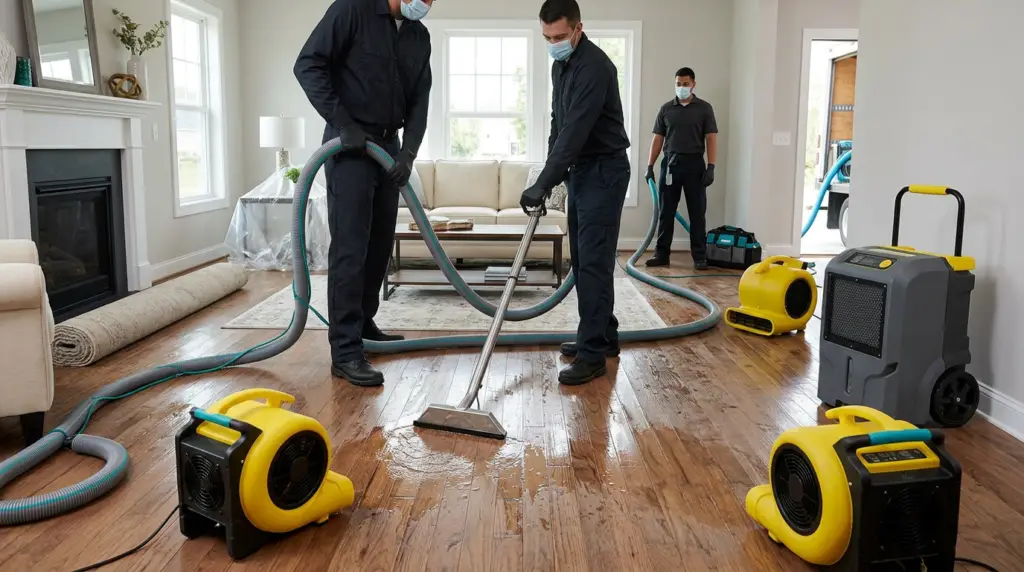
Once the assessment is complete, the next step is removing standing water. This phase is often completed within several hours to one day, depending on the amount of water present.
Powerful extraction equipment removes water quickly from floors, carpets, and other affected surfaces. Fast extraction is one of the most important steps because it minimizes damage and accelerates drying.
The speed of water removal depends on factors such as the size of the affected area, water depth, and accessibility. Properties with significant flooding may require larger extraction equipment and additional labor.
Effective water removal helps reduce the risk of structural deterioration and mold development. By eliminating standing water promptly, restoration professionals create the conditions necessary for efficient drying and recovery.
Drying and Dehumidification Process
Drying is often the longest stage of the restoration process. In many cases, drying and dehumidification take three to seven days, though larger projects may require additional time.
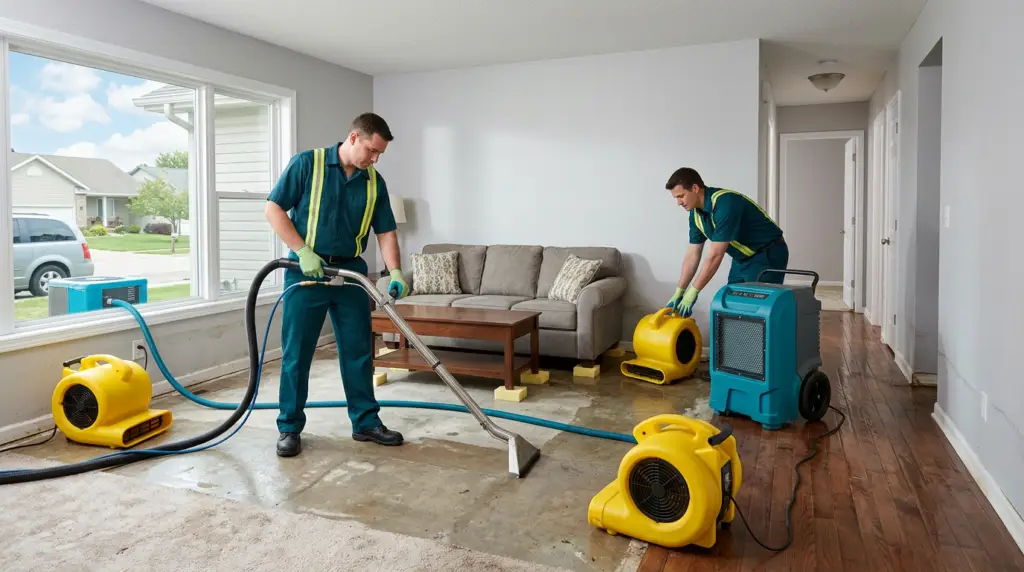
Specialized air movers and industrial-grade dehumidifiers remove moisture trapped within walls, flooring, insulation, and structural components. Moisture monitoring continues throughout this phase to ensure drying goals are achieved.
Environmental conditions can affect drying times. Humid weather, poor ventilation, and extensive saturation may slow progress. Restoration professionals adjust equipment placement and drying strategies to maintain efficiency.
The goal is not simply to dry visible surfaces but to remove hidden moisture that could lead to mold growth or structural issues. Thorough drying is essential for a successful restoration outcome and long-term property protection.
Cleaning and Sanitizing Affected Areas
After drying is complete, cleaning and sanitization begin. This stage may take one to three days depending on contamination levels and the materials involved.
Water intrusion often introduces bacteria, debris, odors, and contaminants into the property. Professional cleaning methods help eliminate these hazards and restore a healthy indoor environment.
Technicians use specialized cleaning products and equipment to sanitize surfaces, remove odors, and improve air quality. Carpets, upholstery, and personal belongings may also require treatment.
Properties affected by contaminated water typically require more extensive sanitation procedures. Thorough cleaning ensures that the restored environment is safe, comfortable, and ready for reconstruction if necessary.
Mold Prevention and Remediation Considerations
Mold can begin developing within 24 to 48 hours after water exposure. This is one reason why prompt restoration is so important.
If mold is discovered during the restoration process, additional remediation work may be necessary. The extent of mold growth determines how much extra time is required. Minor remediation projects may take only a few days, while severe infestations can add a week or more to the timeline.
Professional restoration teams monitor moisture levels closely to prevent mold from developing. Proper drying, cleaning, and containment procedures help protect the property and its occupants.
Addressing mold quickly not only improves indoor air quality but also helps prevent structural damage and costly future repairs.
Structural Repairs and Reconstruction
Once the property is dry and sanitized, repairs and reconstruction can begin. The duration of this phase varies significantly depending on the extent of the damage.
Minor repairs such as replacing drywall sections, repainting walls, or installing new flooring may be completed within a few days. Larger projects involving structural repairs, cabinetry replacement, or major renovations may require several weeks.
Contractor availability, material sourcing, and permitting requirements can also influence timelines. Effective project management helps minimize delays and keeps restoration moving forward efficiently.
The reconstruction phase restores the property’s appearance and functionality, allowing occupants to return to normal as quickly as possible.
Factors That Can Extend the Restoration Timeline
Several variables can impact how long a restoration project takes. One major factor is the size of the affected area. Larger properties naturally require more time for drying, cleaning, and repairs.
The type of materials affected also plays a role. Dense materials such as hardwood, concrete, and insulation often retain moisture longer than other building components.
Insurance claim processing can occasionally create delays, especially when approvals are needed before certain repairs begin. Weather conditions may also affect drying efficiency and reconstruction schedules.
Every situation is unique, which is why restoration timelines vary from property to property. Working with experienced professionals helps ensure the process remains as efficient as possible.
How Professional Restoration Services Speed Up Recovery
Professional restoration companies use specialized equipment, advanced techniques, and industry expertise to accelerate recovery. Their experience allows them to identify hidden moisture, prevent secondary damage, and create effective restoration strategies.
Modern drying systems significantly reduce drying times compared to household fans and dehumidifiers. Continuous moisture monitoring ensures that affected materials are drying properly throughout the project.
Experienced restoration teams also coordinate multiple phases of the process, from extraction and drying to cleaning and reconstruction. This streamlined approach reduces downtime and helps property owners return to normal more quickly.
Choosing qualified professionals can make a substantial difference in both the restoration timeline and the overall outcome.
Conclusion
The timeline for Water Damage Restoration depends on the severity of the damage, the size of the affected area, contamination levels, and the extent of necessary repairs. While minor incidents may be resolved in a few days, larger restoration projects can take several weeks from start to finish. Prompt response, professional equipment, and experienced technicians all play important roles in speeding up recovery and minimizing long-term damage.
If your home or business has experienced water damage, trust ServiceMaster Restoration Services in Lisle, Illinois to provide fast, reliable restoration solutions. Their experienced team is committed to restoring properties efficiently while maintaining the highest standards of service. For immediate assistance or to learn more about your restoration options, call +1 630-241-1111 today.