Water damage can happen unexpectedly due to burst pipes, roof leaks, flooding, appliance malfunctions, or severe storms. When moisture enters a home or commercial property, it can quickly create conditions that support mold development. This is why Water Damage Restoration is one of the most important services property owners can invest in after a water-related incident.
Mold can begin growing within 24 to 48 hours when excess moisture is left untreated. Beyond damaging building materials, mold may affect indoor air quality and create costly repair issues if allowed to spread. Understanding how professional restoration services work can help property owners protect their homes and businesses from long-term damage. In this article, we will explore whether water damage restoration can prevent mold growth, how the process works, and why immediate action is essential after any water intrusion event.
Understanding the Connection Between Water Damage and Mold
Water and mold are closely connected. Mold spores naturally exist in indoor and outdoor environments, but they require moisture to grow and multiply. When water damage occurs, porous materials such as drywall, carpeting, insulation, and wood can absorb moisture, creating ideal conditions for mold development.
Even small amounts of hidden moisture can support mold growth. Water may seep behind walls, under flooring, or into ceilings where it remains unnoticed for extended periods. As moisture accumulates, mold spores begin colonizing affected areas.
The danger lies in how quickly mold can spread. Once established, mold releases additional spores into the air, allowing it to reach new surfaces throughout the property. What starts as a minor water issue can quickly become a widespread mold problem.
Professional restoration services address this risk by identifying moisture sources and eliminating excess water before mold has the opportunity to develop. Early intervention significantly reduces the chances of contamination and helps preserve the integrity of the structure.
Understanding this relationship between moisture and mold highlights the importance of immediate cleanup and restoration whenever water damage occurs.
How Quickly Mold Can Begin Growing After Water Damage
One of the most alarming aspects of mold is how rapidly it can develop. Under favorable conditions, mold growth can begin within 24 to 48 hours after water exposure. This short timeframe leaves little room for delays in cleanup efforts.
Warm temperatures, poor ventilation, and high humidity levels accelerate the growth process. Materials that remain damp become breeding grounds for mold colonies, particularly in hidden areas where moisture is difficult to detect.
Homeowners often assume that visible drying is sufficient. However, surfaces may appear dry while moisture remains trapped beneath flooring, inside walls, or within insulation. These hidden pockets of water continue creating favorable conditions for mold.
The first few days after water intrusion are critical. Fast action helps minimize structural damage and reduces the risk of contamination. Professional restoration teams use specialized equipment to identify moisture that may not be visible to the naked eye.
By responding quickly, property owners can dramatically improve the likelihood of preventing mold growth and avoiding more extensive remediation work later.
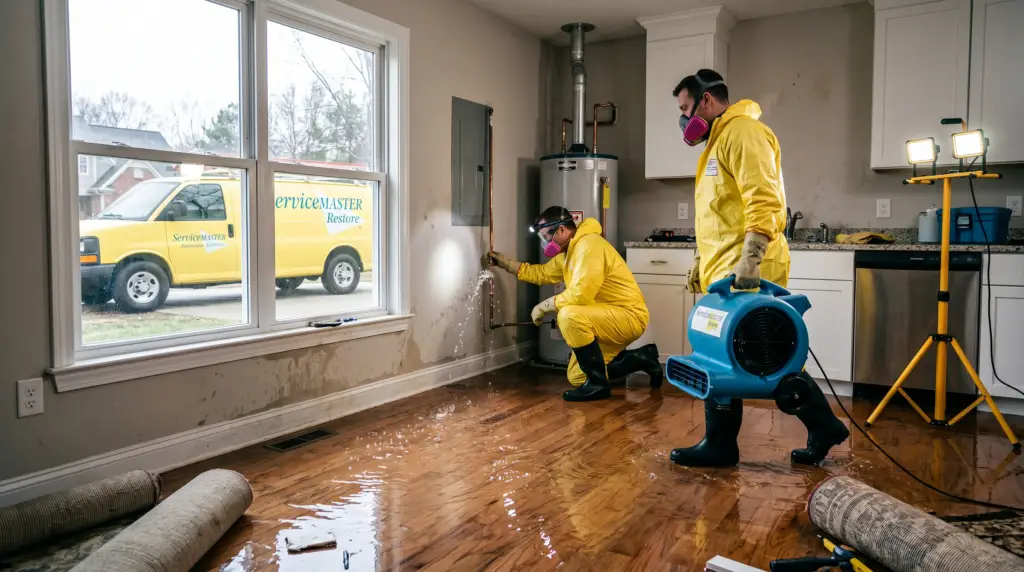
The Role of Professional Water Extraction
Removing standing water is the first and most important step in any restoration project. Effective water extraction eliminates the primary source of moisture that mold needs to survive and spread.
Professional restoration companies utilize powerful pumps and extraction equipment designed to remove water quickly and efficiently. This process significantly reduces drying times and limits moisture absorption into building materials.
Without thorough extraction, water can continue penetrating structural components, increasing the likelihood of mold development. Even a small amount of residual moisture can become problematic if left untreated.
Technicians assess affected areas and determine the most effective extraction strategy based on the extent of the damage. Floors, carpets, furniture, and other materials are evaluated to ensure moisture is removed as completely as possible.
Rapid extraction helps stabilize the environment and creates a foundation for the remaining restoration process. It is often the difference between a manageable cleanup and a major mold remediation project.
Why Structural Drying Is Essential
After water extraction is completed, thorough drying becomes the next priority. Many people underestimate the importance of structural drying, but it is one of the most effective methods for preventing mold growth.
Drying involves removing moisture trapped inside building materials. Walls, ceilings, flooring systems, and wooden structures often retain water long after visible standing water is gone. If not addressed, these damp materials can support mold growth.
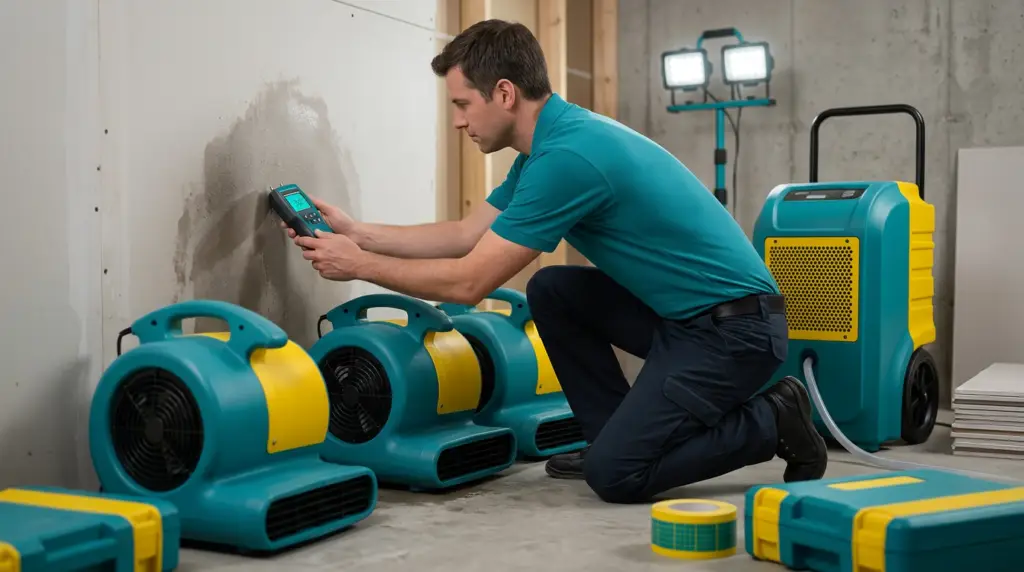
Professional restoration specialists use industrial-grade air movers, dehumidifiers, and moisture monitoring equipment to accelerate the drying process. These tools help restore normal moisture levels throughout the property.
Technicians continuously monitor conditions to ensure drying goals are achieved. Moisture readings allow them to verify that hidden water pockets have been eliminated.
Successful structural drying reduces the risk of mold, protects building materials, and helps prevent future issues related to excess moisture. It is a critical component of comprehensive restoration services.
How Moisture Detection Technology Helps Prevent Mold
Modern restoration companies rely on advanced moisture detection tools to locate hidden water that could otherwise go unnoticed. These technologies play a significant role in mold prevention.
Thermal imaging cameras can identify temperature variations associated with moisture accumulation behind walls or ceilings. Moisture meters provide precise readings that help technicians determine the extent of water intrusion.
Without these tools, hidden moisture may remain untreated. A property could appear dry while concealed areas continue supporting mold growth. Moisture detection technology helps eliminate this uncertainty.
By identifying affected areas early, restoration professionals can target drying efforts more effectively. This approach improves efficiency and ensures all moisture sources are addressed.
Technology-driven assessments provide property owners with confidence that restoration work is thorough and complete. The ability to locate hidden moisture significantly improves mold prevention outcomes and supports long-term property protection.
The Importance of Humidity Control During Restoration
Humidity control is another critical factor in preventing mold growth after water damage. Elevated humidity levels create an environment where mold can thrive, even after standing water has been removed.
Water intrusion often causes indoor humidity to rise dramatically. Excess moisture in the air can settle on surfaces throughout the property, extending drying times and increasing mold risks.
Professional restoration teams use commercial-grade dehumidifiers to remove moisture from the air. Lowering humidity levels accelerates drying and helps create conditions that discourage mold growth.
Humidity monitoring continues throughout the restoration process. Technicians adjust equipment as needed to maintain optimal drying conditions and ensure moisture levels remain under control.
Effective humidity management supports all other restoration efforts and helps achieve lasting results. It is a key component of any strategy designed to prevent mold following water damage.
When Mold Remediation May Still Be Necessary
While prompt restoration significantly reduces mold risks, some situations may require additional remediation services. This is especially true when water damage goes unnoticed for extended periods.
Hidden leaks, slow plumbing failures, and untreated flooding can allow mold colonies to become established before restoration begins. In these cases, mold removal procedures may be necessary alongside standard restoration work.
Mold remediation involves identifying contaminated materials, containing affected areas, and safely removing mold growth. Specialized cleaning methods help eliminate spores and prevent further spread.
The sooner water damage is discovered and addressed, the less likely extensive remediation will be needed. Regular inspections and prompt repairs can help property owners detect issues before mold develops.
Combining professional restoration with mold remediation when necessary ensures a safer and healthier indoor environment while protecting the value of the property.
Benefits of Acting Immediately After Water Damage
Immediate action is one of the most effective ways to prevent mold growth and reduce restoration costs. Delays allow moisture to penetrate deeper into building materials and increase the likelihood of contamination.
Fast response helps preserve flooring, walls, furniture, and personal belongings. It also reduces structural deterioration and minimizes disruption to daily life.
Professional restoration teams are trained to respond quickly and implement proven drying strategies. Their expertise helps property owners avoid many of the complications associated with prolonged moisture exposure.
Insurance claims may also proceed more smoothly when damage is addressed promptly. Documented mitigation efforts demonstrate responsible action and may help support coverage decisions.
The faster restoration begins, the greater the opportunity to prevent mold growth and protect the property from long-term damage.
Conclusion
The answer is yes, Water Damage Restoration can play a critical role in preventing mold growth when performed quickly and thoroughly. Rapid water extraction, structural drying, moisture detection, and humidity control work together to eliminate the conditions mold needs to thrive. Delays in addressing water damage significantly increase the risk of contamination and more extensive repairs.
If your property has experienced water intrusion, professional help is essential. ServiceMaster Restoration Services proudly serves property owners throughout Lisle, Illinois, providing fast and reliable restoration solutions. Whether you’re dealing with flooding, leaks, or unexpected water damage, their experienced team is ready to help protect your property from mold and long-term structural issues. For immediate assistance, contact ServiceMaster Restoration Services at +1 630-241-1111 today.