Water damage can occur unexpectedly due to burst pipes, severe weather, appliance malfunctions, or plumbing failures. When water enters a property, it can quickly affect structural materials, furniture, flooring, and personal belongings. This is why professional Water Damage Restoration services are essential for minimizing damage and restoring a property to its original condition.
Understanding the restoration process helps homeowners and business owners know what to expect when disaster strikes. A professional restoration team follows a structured approach designed to remove water, prevent secondary damage, and ensure a safe environment. Every step plays a crucial role in protecting the property and reducing long-term repair costs. In this guide, we’ll explore the key steps involved in water damage restoration services and explain why each phase is important for achieving successful results.
Emergency Contact and Initial Response
The restoration process begins the moment a property owner contacts a restoration company. Quick action is critical because water damage worses with time. The longer water remains inside a building, the greater the risk of structural deterioration, mold growth, and damage to personal belongings.
Professional restoration teams typically offer emergency response services to address urgent situations. During the initial call, technicians gather important information about the source of water, the affected areas, and the severity of the damage. This allows them to prepare the appropriate equipment and resources before arriving on-site.
A fast response can significantly reduce restoration costs and limit the extent of property damage. Restoration specialists prioritize immediate intervention to prevent water from spreading into additional areas of the building. Early action also helps preserve materials that might otherwise require replacement.
Once the team arrives, they begin assessing the situation and implementing safety measures. This rapid response forms the foundation of a successful restoration project and ensures the process begins as efficiently as possible.
Comprehensive Inspection and Damage Assessment
After arriving at the property, restoration professionals conduct a thorough inspection. This step helps determine the extent of the damage and identifies areas where water may have traveled beyond visible surfaces.
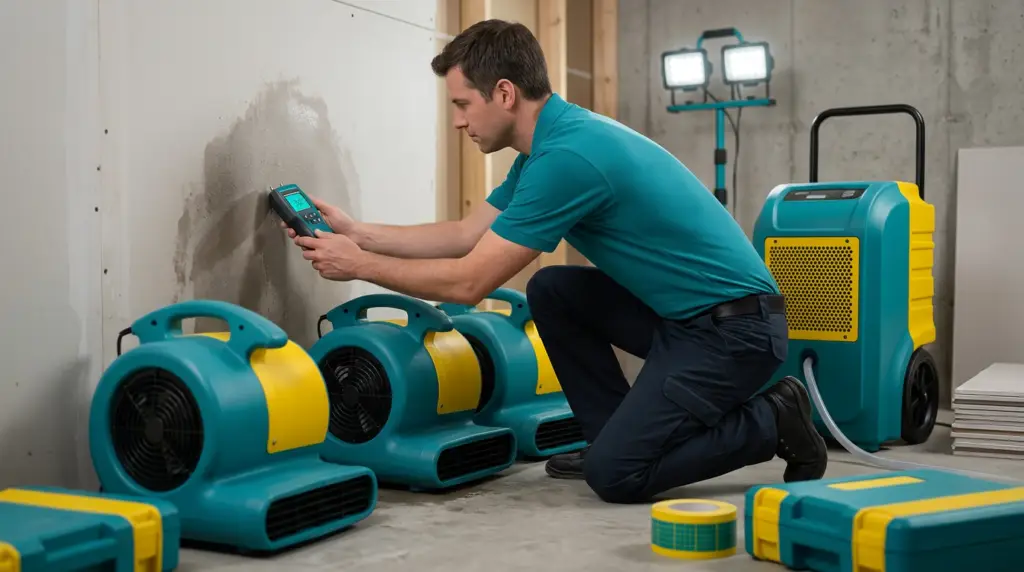
Advanced moisture detection tools are used to locate hidden water within walls, ceilings, flooring, and structural components. Moisture meters, thermal imaging cameras, and hygrometers help technicians gather accurate data about affected materials.
The assessment also involves categorizing the water source. Clean water from supply lines requires a different approach than contaminated water from sewage backups or flooding. Understanding the water category helps restoration professionals develop an appropriate remediation plan.
During this phase, technicians document all findings and create a restoration strategy tailored to the property’s needs. Accurate assessment ensures that no affected area is overlooked and provides property owners with a clear understanding of the restoration process ahead.
Water Extraction and Removal
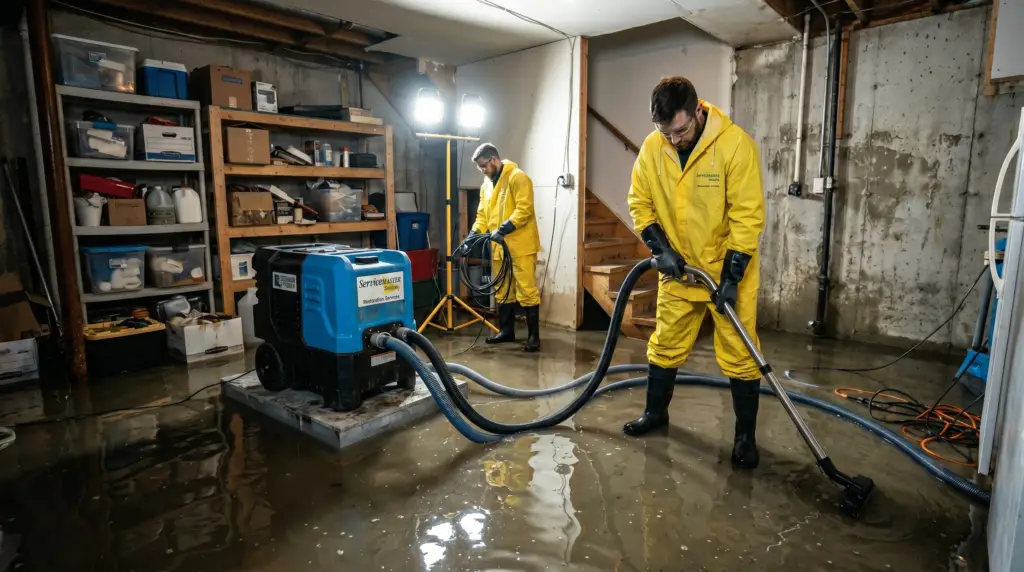
Removing standing water is one of the most critical stages of the restoration process. Specialized extraction equipment allows technicians to quickly remove large volumes of water from affected areas.
Industrial-grade pumps and powerful vacuum systems are commonly used to extract water from floors, carpets, basements, and crawl spaces. The goal is to remove as much water as possible before it can cause further deterioration.
Efficient water removal helps prevent damage to building materials and reduces the likelihood of mold development. It also shortens the drying timeline and improves overall restoration efficiency.
During this stage, technicians continuously monitor extraction progress to ensure complete removal of standing water. Areas with severe saturation may require multiple passes with extraction equipment. Prompt water removal is a key component of effective Water Damage Restoration because it significantly limits secondary damage.
Drying and Dehumidification
Even after visible water has been removed, moisture often remains trapped within materials and building structures. Drying and dehumidification address this hidden moisture and help restore normal environmental conditions.
Professional restoration teams use high-powered air movers and commercial dehumidifiers to accelerate evaporation. These machines work together to remove excess moisture from the air and surrounding materials.
Technicians carefully monitor humidity levels throughout the drying process. Moisture readings are taken regularly to verify that walls, floors, and other structural elements are drying properly.
This phase may take several days depending on the severity of the damage. Thorough drying is essential because lingering moisture can lead to mold growth, unpleasant odors, and structural problems. Proper dehumidification ensures that affected areas are returned to safe moisture levels before restoration work continues.
Cleaning and Sanitization
Water damage often leaves behind dirt, debris, bacteria, and unpleasant odors. Cleaning and sanitization are necessary to restore a healthy indoor environment and eliminate potential health risks.
Restoration professionals use specialized cleaning products designed for affected surfaces and materials. Depending on the type of water involved, antimicrobial treatments may be applied to reduce bacterial contamination and inhibit mold growth.
Personal belongings, furniture, and salvageable items are carefully cleaned and restored whenever possible. Upholstery, carpets, and textiles may require specialized cleaning methods to remove contaminants and odors.
Air purification equipment is sometimes used to improve indoor air quality and eliminate lingering smells. This stage ensures that the property is not only dry but also clean, safe, and ready for rebuilding or repairs. Comprehensive cleaning plays a vital role in successful Water Damage Restoration outcomes.
Mold Prevention and Remediation
One of the biggest concerns following water damage is mold growth. Mold can begin developing within a short period when moisture remains present in building materials.
As part of the restoration process, technicians take proactive measures to prevent mold from developing. Antimicrobial treatments may be applied to vulnerable surfaces, especially in areas that experienced prolonged moisture exposure.
If mold is already present, professional remediation procedures are implemented. Affected materials may need to be cleaned, treated, or removed depending on the extent of contamination. Containment measures help prevent spores from spreading to unaffected areas.
Mold remediation requires specialized knowledge and equipment to ensure safe removal. By addressing mold risks early, restoration professionals help protect both the structure and the health of occupants. Effective mold prevention is a critical component of any comprehensive Water Damage Restoration project.
Structural Repairs and Restoration
Once the property is clean and dry, restoration professionals begin repairing damaged components. The extent of repairs depends on the severity of the water damage and the materials affected.
Minor projects may involve replacing drywall sections, repainting walls, or installing new flooring. More extensive damage may require rebuilding structural components such as framing, ceilings, or entire rooms.
The goal is to restore the property to its pre-loss condition while maintaining safety and functionality. Skilled restoration teams coordinate repairs efficiently to minimize disruption for homeowners and businesses.
During this stage, quality workmanship is essential. Proper restoration not only improves appearance but also ensures long-term structural integrity. Completing necessary repairs marks a significant milestone in the recovery process and brings the property closer to full restoration.
Final Inspection and Project Completion
The final stage involves a comprehensive inspection to verify that all restoration work has been completed successfully. Restoration professionals review every affected area to ensure it meets industry standards.
Moisture readings are taken one last time to confirm that materials have reached acceptable dryness levels. Technicians also inspect repaired areas to verify quality and identify any remaining concerns.
Property owners are often invited to participate in the final walkthrough. This provides an opportunity to review completed work and ask questions about the restoration process.
Documentation may also be provided for insurance purposes and future reference. Once all inspections are complete, the project is officially finished. This final verification step ensures the property is safe, clean, and fully restored after the Water Damage Restoration process.
Conclusion
Understanding the steps involved in water damage restoration services helps property owners respond more confidently when unexpected water damage occurs. From emergency response and damage assessment to water extraction, drying, cleaning, mold prevention, repairs, and final inspections, every phase plays an important role in restoring a safe and functional property.
When professional assistance is needed, trust ServiceMaster Restoration Services to provide reliable restoration solutions. Serving Lisle, Illinois, their experienced team is dedicated to helping homeowners and businesses recover from water-related disasters quickly and efficiently. For expert restoration services and immediate assistance, contact ServiceMaster Restoration Services today at +1 630-241-1111. Fast action and professional care can make all the difference in protecting your property and minimizing long-term damage.