Water damage can happen unexpectedly, whether from burst pipes, severe storms, appliance malfunctions, or plumbing leaks. When water enters a property, it can quickly affect floors, walls, furniture, and even the structural integrity of the building. This is where Water Damage Restoration becomes essential. The restoration process involves much more than simply removing visible water. It includes a series of specialized steps designed to return a property to its pre-loss condition while preventing further issues such as mold growth and structural deterioration.
Understanding what water damage restoration includes can help homeowners and business owners respond effectively when disaster strikes. Professional restoration services use advanced equipment, proven techniques, and industry standards to address both immediate and long-term concerns. In this guide, we’ll explore the key components of the restoration process and explain why each step plays a critical role in protecting your property.
Initial Inspection and Damage Assessment
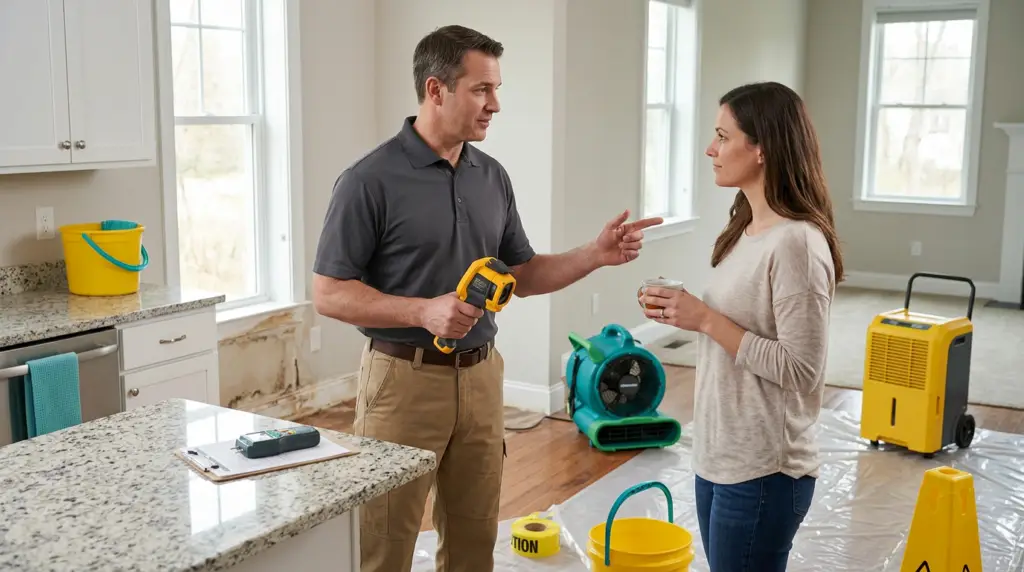
The first step in any restoration project is a comprehensive inspection of the affected property. Restoration professionals evaluate the extent of water intrusion, identify the source of the problem, and determine which materials have been impacted. This assessment helps create a customized restoration plan based on the severity of the damage.
During the inspection, technicians use moisture meters, infrared cameras, and other specialized tools to detect hidden moisture within walls, floors, and ceilings. Not all water damage is visible to the naked eye, making professional evaluation extremely important. Identifying concealed moisture helps prevent future complications such as mold growth and structural weakening.
The assessment also classifies the type of water involved. Clean water, gray water, and black water each require different restoration procedures. Understanding the contamination level ensures that proper safety measures are followed throughout the process.
Accurate documentation is another important aspect of the inspection phase. Restoration companies often provide detailed reports and photographs that can assist property owners with insurance claims and restoration planning.
Water Extraction and Removal
Once the assessment is complete, the next priority is removing standing water from the affected area. Fast water extraction helps minimize damage and reduces the risk of secondary problems developing. The longer water remains inside a property, the greater the potential for structural deterioration and mold growth.
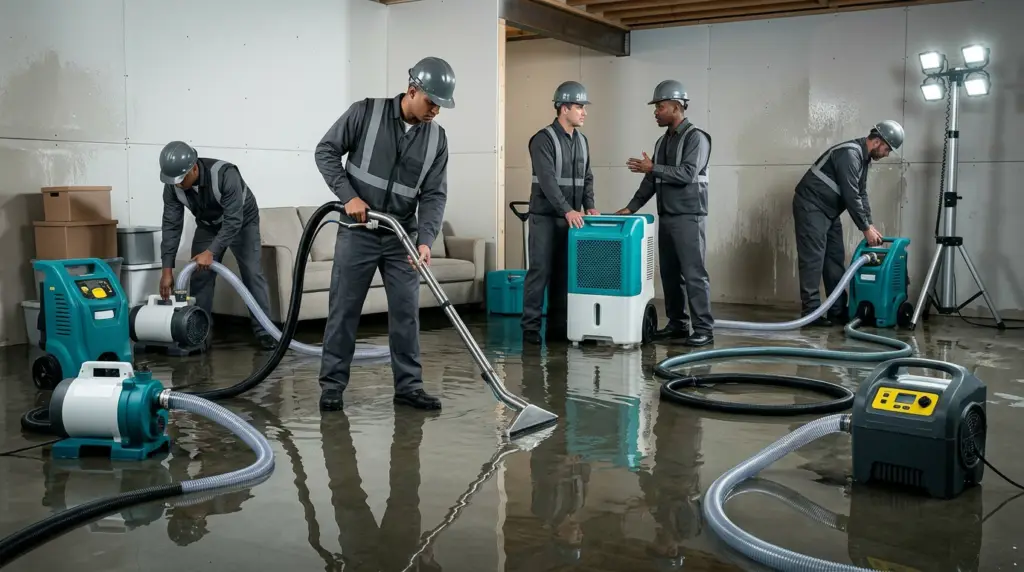
Professional restoration teams use industrial-grade pumps, vacuums, and extraction equipment designed to remove large volumes of water quickly and efficiently. These tools can access water trapped in carpets, flooring materials, and hard-to-reach areas.
Water removal is often completed in stages depending on the extent of flooding. Severe water damage may require continuous extraction efforts to eliminate all standing water before drying can begin.
Prompt extraction also helps salvage personal belongings and building materials. Many items can be restored successfully if water is removed before significant deterioration occurs. This step lays the foundation for the remainder of the restoration process and helps prevent additional losses.
Drying and Dehumidification
After standing water has been removed, excess moisture still remains in building materials and the surrounding air. Drying and dehumidification are essential components of the restoration process because hidden moisture can cause ongoing damage if left untreated.
Professional drying equipment includes high-powered air movers and commercial dehumidifiers. These systems work together to accelerate evaporation and remove moisture from affected materials. Restoration specialists strategically position equipment to maximize airflow and drying efficiency.
Moisture levels are monitored throughout the drying process using specialized instruments. Regular measurements help technicians determine whether materials are drying properly and identify areas that may require additional attention.
Proper drying can take several days depending on the severity of the damage. While the process may seem lengthy, thorough moisture removal is critical for preventing mold growth, wood warping, and structural weakening. Successful drying ensures the property is ready for the next phase of restoration.
Cleaning and Sanitization
Water damage often leaves behind contaminants, odors, and bacteria that require professional cleaning. Sanitization is particularly important when the water source involves gray water or black water contamination.
Restoration professionals use specialized cleaning agents and disinfectants to treat affected surfaces. Carpets, furniture, walls, and personal belongings may require deep cleaning to eliminate harmful microorganisms and restore safe conditions.
Odor removal is another important part of the cleaning process. Lingering smells can persist long after visible water has been removed. Advanced deodorization methods help eliminate unpleasant odors rather than simply masking them.
Proper cleaning improves indoor air quality and creates a healthier environment for occupants. By addressing contaminants and bacteria, restoration professionals help ensure that the property is safe for reoccupation once restoration is complete.
Mold Prevention and Remediation
One of the greatest concerns following water damage is mold growth. Mold can begin developing within 24 to 48 hours when moisture remains present. For this reason, mold prevention is a major focus during restoration.
Restoration teams inspect affected areas for signs of existing mold and implement preventive measures during the drying process. Rapid moisture removal significantly reduces the likelihood of mold development.
If mold is discovered, remediation procedures may be necessary. This process involves containing affected areas, removing contaminated materials when required, and treating surfaces to prevent further growth.
Professional mold remediation helps protect both the property and the health of its occupants. Effective moisture control remains the most important strategy for preventing future mold issues and ensuring long-term restoration success.
Structural Repairs and Restoration
After drying and cleaning are complete, damaged building materials may need repair or replacement. Water can weaken drywall, flooring, insulation, ceilings, and structural components, making restoration work necessary.
Technicians evaluate which materials can be salvaged and which require replacement. Minor repairs may involve patching drywall or refinishing flooring, while more extensive damage may require significant reconstruction efforts.
The goal of structural restoration is to return the property to its pre-damage condition. Skilled restoration professionals coordinate repairs to ensure both functionality and appearance are restored.
This phase often represents the final step in returning a home or business to normal operations. Quality repairs help preserve property value and provide long-term protection against future issues.
Contents Restoration and Recovery
Many personal belongings can be saved following water damage if prompt action is taken. Contents restoration focuses on recovering furniture, electronics, documents, clothing, and other valuable items affected by water intrusion.
Specialized cleaning, drying, and restoration techniques are used depending on the type of item involved. Some belongings may require off-site restoration at dedicated facilities equipped with advanced recovery technology.
Important documents and photographs often receive specialized treatment designed to minimize permanent damage. Electronics may undergo professional inspection and restoration before being returned to service.
Successful contents restoration can significantly reduce replacement costs and help preserve items with sentimental or financial value. This aspect of restoration is often overlooked but can be highly beneficial for property owners.
Insurance Documentation and Claim Support
Navigating insurance claims after water damage can be stressful. Many restoration companies assist property owners by providing detailed documentation throughout the restoration process.
Technicians record the extent of damage, document restoration procedures, and maintain records of affected materials. This information can support claim submissions and facilitate communication with insurance providers.
Professional documentation helps establish the scope of loss and demonstrates the work required to restore the property. Accurate records often contribute to a smoother claims process.
By working closely with insurance companies, restoration professionals help property owners focus on recovery while minimizing administrative challenges during an already difficult situation.
Why Professional Water Damage Restoration Matters
While some property owners may attempt cleanup themselves, professional restoration offers significant advantages. Trained technicians have the experience, equipment, and expertise needed to identify hidden moisture and address damage comprehensively.
Professional restoration minimizes the risk of mold growth, structural issues, and recurring problems. Advanced equipment allows for faster and more effective drying than standard household tools.
Certified restoration specialists follow industry standards that ensure safety and quality throughout the project. Their expertise can often reduce long-term repair costs by addressing issues before they worsen.
Investing in professional restoration provides peace of mind and helps ensure that the property is restored correctly, safely, and efficiently.
Conclusion
Understanding what Water Damage Restoration includes can help property owners make informed decisions during an emergency. From initial inspection and water extraction to drying, cleaning, mold prevention, and structural repairs, every step plays a critical role in restoring a property safely and effectively. Professional restoration services help minimize damage, protect health, and preserve property value by addressing both visible and hidden moisture issues.
If you need expert restoration assistance in Lisle, Illinois, trust ServiceMaster Restoration Services to respond quickly and professionally. Their experienced team is dedicated to helping homeowners and businesses recover from water-related disasters with comprehensive restoration solutions. For immediate assistance or to learn more about their services, contact ServiceMaster Restoration Services at +1 630-241-1111 today.