Water damage can happen unexpectedly, whether from burst pipes, heavy rainfall, appliance failures, or plumbing leaks. Acting quickly is essential because even a small amount of standing water can lead to structural damage, mold growth, and costly repairs if left untreated. Water damage restoration is a professional process designed to remove water, dry affected areas, restore damaged materials, and return a property to its pre-loss condition.
Understanding what is included in water damage restoration helps homeowners and business owners make informed decisions during an emergency. Professional restoration goes beyond simply removing visible water. It involves specialized equipment, detailed inspections, moisture detection, sanitation, structural drying, and repairs to ensure the property is safe, clean, and fully restored. Knowing each step of the process can help minimize damage, reduce restoration costs, and protect your property’s long-term value.
Initial Inspection and Damage Assessment
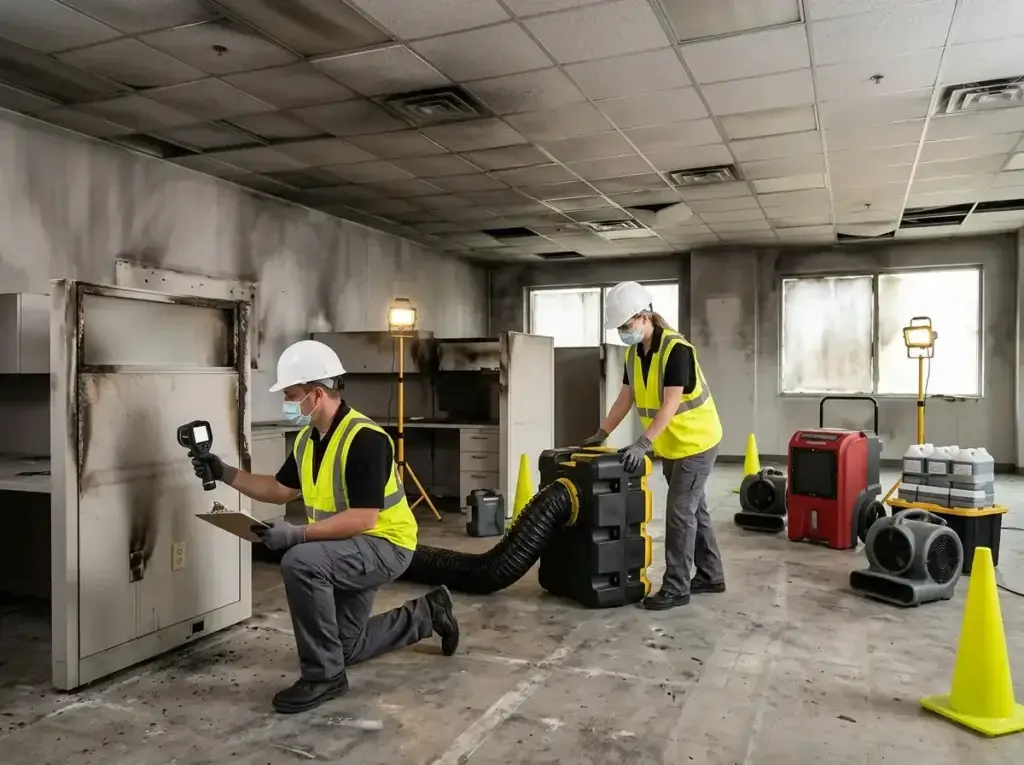
Every successful restoration project begins with a thorough inspection of the affected property. Restoration professionals carefully evaluate the extent of the damage using advanced moisture meters, thermal imaging cameras, and other specialized equipment. This detailed assessment helps identify both visible and hidden moisture that could lead to future structural problems or mold growth.
During the inspection, technicians determine the source of the water and classify the type of water involved. Clean water from broken supply lines requires a different approach than contaminated water from sewage backups or flooding. They also assess how far the water has spread into flooring, walls, ceilings, insulation, and structural components.
The inspection allows the restoration team to develop a customized restoration plan that addresses the property’s specific needs. They identify which materials can be saved and which require replacement while estimating the drying time and necessary equipment.
A comprehensive assessment is one of the most important stages of water damage restoration because it establishes the foundation for every step that follows. Proper planning reduces delays, improves efficiency, and ensures no hidden moisture remains behind after the restoration process is complete.
Water Extraction and Removal
Removing standing water is one of the first priorities after assessing the damage. The longer water remains inside a building, the greater the chance of structural deterioration, mold development, and permanent damage to flooring, drywall, and personal belongings.
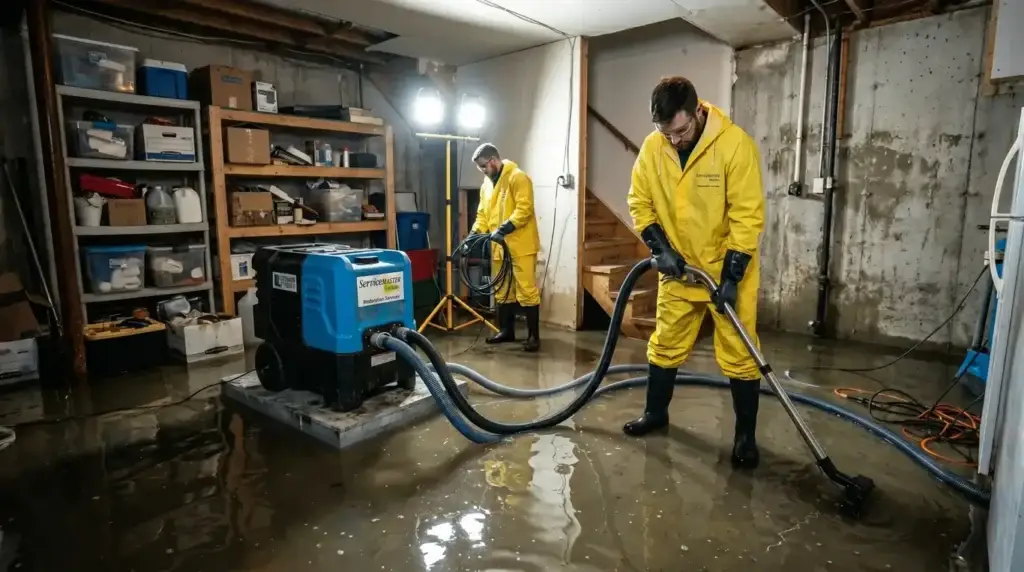
Professional restoration teams use industrial-grade pumps, truck-mounted extraction systems, and high-powered wet vacuums to remove large volumes of water quickly and efficiently. The type of equipment depends on the severity of the flooding and the size of the affected area.
Rapid extraction also reduces drying time and limits secondary damage. Carpets, padding, furniture, and other materials may require specialized extraction methods to remove trapped moisture without causing unnecessary damage.
Technicians continue monitoring moisture levels throughout the extraction process to ensure as much water as possible has been removed before drying begins. Thorough extraction significantly improves the overall effectiveness of the restoration project and helps reduce repair costs.
Fast water removal protects structural components, preserves salvageable materials, and creates the ideal conditions for the next phase of water damage restoration, ensuring a more complete and efficient recovery.
Structural Drying and Dehumidification
Once standing water has been removed, the drying process begins. Even after extraction, moisture remains trapped inside walls, ceilings, subfloors, insulation, and wood framing. Without proper drying, hidden moisture can lead to mold growth, warped materials, and weakened structural components.
Restoration professionals use commercial air movers, industrial dehumidifiers, and specialized drying equipment to accelerate evaporation. Equipment placement is carefully calculated to maximize airflow and remove moisture efficiently throughout the property.
During drying, technicians perform regular moisture readings to track progress and ensure every affected area reaches acceptable moisture levels. This ongoing monitoring helps prevent over-drying while confirming hidden moisture has been eliminated.
Depending on the extent of the damage, drying may take several days. Weather conditions, humidity levels, building materials, and the amount of water involved all influence the timeline.
Professional drying is far more effective than household fans or portable dehumidifiers because commercial equipment removes significantly more moisture while maintaining controlled drying conditions that protect building materials from additional stress.
Cleaning and Sanitizing Affected Areas
Floodwater and plumbing leaks often leave behind dirt, bacteria, unpleasant odors, and harmful contaminants. Cleaning and sanitizing are essential steps that restore a healthy indoor environment while preventing lingering health hazards.
Restoration professionals clean all salvageable surfaces using specialized antimicrobial solutions, disinfectants, and cleaning agents designed for different materials. Carpets, upholstery, furniture, walls, and flooring may each require different cleaning techniques depending on the contamination level.
Odor removal is another important part of the cleaning process. Moisture trapped within porous materials often produces persistent musty smells. Technicians may use air scrubbers, hydroxyl generators, or deodorizing treatments to eliminate odors instead of simply masking them.
Items affected by contaminated water receive additional sanitation procedures to ensure they are safe for future use. Personal belongings may also undergo specialized cleaning and restoration whenever possible.
Proper sanitation not only improves the appearance of the property but also protects occupants from bacteria, allergens, and mold spores that can remain after water damage if cleaning is incomplete.
Mold Prevention and Moisture Control
Mold can begin growing within 24 to 48 hours after water exposure, making moisture control a critical component of the restoration process. Even small amounts of hidden moisture can create ideal conditions for mold colonies to develop behind walls, under flooring, or inside insulation.
Restoration professionals take proactive measures to minimize this risk by thoroughly drying affected materials and applying antimicrobial treatments where appropriate. These treatments help inhibit microbial growth while protecting vulnerable building materials.
Moisture mapping and ongoing monitoring allow technicians to identify areas that require additional drying before reconstruction begins. Advanced moisture detection tools ensure hidden pockets of water are not overlooked.
Maintaining proper humidity levels throughout the property is equally important. Commercial dehumidifiers help stabilize indoor humidity while reducing the likelihood of future mold development.
Effective moisture control protects indoor air quality, preserves structural integrity, and reduces the possibility of expensive mold remediation services later. Addressing moisture completely is one of the most valuable investments homeowners can make after experiencing water damage.
Repairs and Restoration of Damaged Materials
After drying and cleaning are complete, attention turns to repairing the property. Some materials can be restored, while others require replacement due to severe water exposure or contamination.
Common repairs include replacing drywall, insulation, flooring, ceiling panels, baseboards, trim, cabinetry, and damaged structural components. Minor cosmetic repairs may involve repainting walls or refinishing hardwood flooring once moisture levels have stabilized.
Larger restoration projects may require rebuilding sections of walls, replacing roofing materials, or reconstructing damaged rooms. Restoration professionals work to return the property to its original condition while ensuring all repairs meet current building standards.
Throughout this stage, technicians continue monitoring for any signs of residual moisture before installing new materials. This helps prevent future issues from developing beneath newly completed surfaces.
The repair phase transforms the property from a damaged structure back into a safe, functional, and attractive living or working environment that closely matches its pre-loss condition.
Final Inspection and Quality Assurance
Before a restoration project is considered complete, technicians perform a comprehensive final inspection. This step verifies that every phase of the restoration process has been completed according to professional standards.
Moisture readings are taken throughout the property to confirm that all affected areas have reached safe moisture levels. Equipment is removed only after technicians are confident the structure has been completely dried.
The restoration team also reviews repaired areas, checks sanitation results, and ensures no lingering odors remain. Homeowners often receive guidance on preventing future water damage and maintaining proper indoor humidity.
Any remaining concerns are addressed before the project is finalized. A detailed quality assurance process helps ensure the property is safe, clean, and fully restored for occupancy.
This final evaluation provides peace of mind that the restoration has been completed thoroughly and that hidden issues are unlikely to appear after the work is finished.
Why Hiring Professional Restoration Experts Matters
Water damage often appears less severe than it actually is. Hidden moisture behind walls or beneath flooring can continue causing damage long after visible water disappears. Professional restoration companies have the expertise and equipment necessary to detect these hidden problems.
Experienced technicians follow industry-approved restoration procedures that prioritize safety, efficiency, and long-term protection. They understand how different building materials respond to water exposure and can recommend the most effective restoration methods.
Professionals also help reduce restoration costs by preventing secondary damage such as mold growth, structural deterioration, and material failure. Their specialized equipment significantly shortens drying times compared to do-it-yourself methods.
Working with qualified restoration experts provides confidence that the property has been restored properly, minimizing future repair expenses while protecting the health and safety of everyone who occupies the building.
Conclusion
Water damage restoration is a comprehensive process that includes inspection, water extraction, structural drying, dehumidification, cleaning, sanitation, mold prevention, repairs, and final quality assurance. Each stage plays an important role in protecting your property from long-term structural damage, mold growth, and costly future repairs. Acting quickly and relying on experienced professionals ensures the restoration process is completed safely and effectively.
If your home or business has experienced water damage, ServiceMaster Restoration Services is ready to help. Our experienced team proudly serves Lisle with prompt, dependable restoration solutions tailored to your needs. Contact ServiceMaster Restoration Services today at +1 630-241-1111 to schedule an inspection and begin restoring your property with confidence.
https://www.spreaker.com/episode/what-is-included-in-water-damage-restoration–73111137
https://www.podomatic.com/podcasts/ginawashingt90podcast/episodes/2026-07-22T10_07_21-07_00
https://stream.redcircle.com/episodes/36dd00e2-f294-4824-bd19-a87868fd393e/stream.mp3