Water damage can happen without warning, whether it is caused by a burst pipe, heavy rainfall, an overflowing appliance, or a leaking roof. The moment water enters your home or business, it begins affecting flooring, walls, furniture, and even the structural integrity of the property. Water damage restoration is the professional process of removing excess water, drying affected materials, cleaning contaminated areas, and restoring your property to its original condition. Acting quickly is one of the most important factors in reducing long-term damage and repair costs. Delaying restoration can lead to mold growth, weakened building materials, and expensive repairs that could have been avoided. Understanding when to begin the restoration process helps property owners protect their investment, maintain a healthy indoor environment, and recover more efficiently after unexpected water damage.
Why Immediate Action Matters
The first few hours after water damage are the most critical. Water spreads rapidly through porous materials such as drywall, wood, carpeting, and insulation. Even a small leak can quickly become a major problem if left untreated. Moisture that remains trapped inside walls or beneath flooring creates ideal conditions for mold and mildew to develop.
Prompt restoration also helps preserve the structural stability of your property. Wooden framing can warp, drywall can weaken, and flooring may become permanently damaged if water remains for too long. Furniture, electronics, and personal belongings are also more likely to be saved when restoration begins immediately.
Professional restoration specialists use specialized equipment to remove standing water, monitor moisture levels, and dry hidden areas that ordinary fans cannot reach. Their expertise helps minimize damage while preventing future issues that may not be immediately visible. Acting quickly not only protects your property but also reduces repair expenses and shortens the overall recovery process.
Signs You Should Start Restoration Immediately
Many homeowners recognize standing water as an obvious emergency, but less noticeable signs can also indicate serious water damage. Damp walls, discoloration on ceilings, peeling paint, warped flooring, and musty odors often signal hidden moisture that requires immediate attention.
Water may also collect behind cabinets, beneath flooring, or inside wall cavities where it cannot easily be seen. These hidden pockets of moisture continue damaging materials long after the original leak appears to have stopped. Ignoring these warning signs increases the risk of mold growth and structural deterioration.
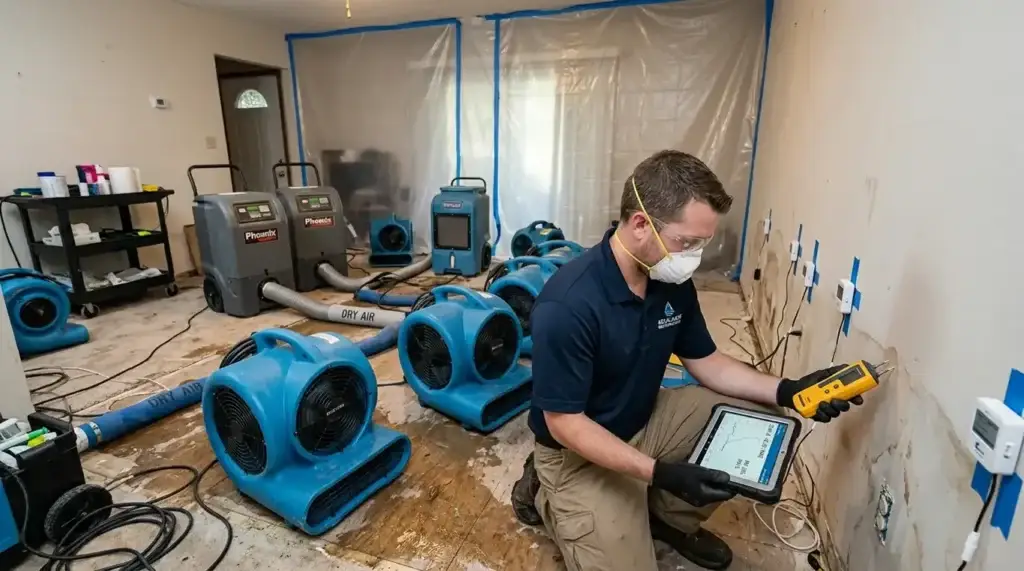
Property owners should also pay close attention after storms or plumbing failures, even if visible flooding seems minimal. Moisture meters and thermal imaging equipment used by restoration professionals help locate hidden water before it causes more extensive damage. Starting restoration at the first indication of water intrusion significantly improves the chances of preserving building materials and avoiding costly reconstruction.
Common Causes of Water Damage
Understanding what causes water damage helps property owners respond more effectively when problems occur. Plumbing failures remain one of the most common sources of indoor flooding. Burst pipes, leaking water heaters, broken supply lines, and overflowing sinks can release large amounts of water within minutes.
Severe weather also contributes significantly to water damage. Heavy rainfall, flooding, roof leaks, and clogged gutters allow water to enter homes through vulnerable areas. Poor drainage around foundations can further increase the risk of basement flooding.
Household appliances are another frequent source of unexpected leaks. Washing machines, refrigerators, dishwashers, and air conditioning systems may develop damaged hoses or faulty connections over time. Regular maintenance reduces these risks, but unexpected failures can still occur. Regardless of the source, rapid response is essential for minimizing damage and restoring the property safely.
The Restoration Process Explained
The restoration process begins with a detailed inspection to determine the extent of the damage. Professionals identify affected materials, locate hidden moisture, and classify the water according to contamination levels. This assessment helps create an effective restoration plan.
Standing water is then removed using industrial pumps and extraction equipment. Once excess water has been eliminated, specialized drying equipment, air movers, and dehumidifiers are used to remove remaining moisture from structural materials and indoor air.
Cleaning and sanitizing follow the drying process, particularly if contaminated water has entered the property. Finally, repairs and reconstruction restore damaged drywall, flooring, ceilings, or other affected areas. Every step focuses on returning the property to a safe, clean, and fully functional condition while preventing future problems such as mold growth or structural instability.
How Delays Increase Damage
Many property owners underestimate how quickly water damage worsens. Within hours, moisture begins penetrating porous materials and weakening their structural integrity. Carpets absorb water, drywall softens, and wood starts expanding as it retains moisture.
After one or two days, mold spores may begin growing in damp environments. Mold spreads rapidly through walls, ceilings, insulation, and flooring, creating additional restoration challenges. Removing mold often requires specialized remediation that increases both repair time and overall costs.
Long-term water exposure can also damage electrical systems, reduce indoor air quality, and compromise building safety. Delaying restoration may transform a relatively minor repair into a major reconstruction project. Starting restoration immediately after discovering water damage greatly reduces these risks while preserving more of the property’s original materials.
How Professionals Protect Your Property
Professional restoration companies use advanced technology that goes beyond simple water removal. Moisture detection equipment identifies hidden water inside walls, ceilings, and floors where damage may otherwise remain unnoticed. Accurate measurements ensure drying is complete before repairs begin.
Commercial-grade dehumidifiers and high-powered air movers accelerate drying while preventing secondary damage. Restoration professionals also monitor humidity levels throughout the process to ensure optimal drying conditions.
Safety is another important advantage of hiring experienced technicians. Floodwater may contain bacteria, sewage, or hazardous contaminants that require specialized protective equipment and cleaning procedures. Professionals understand industry standards for sanitation and restoration, providing peace of mind while protecting both property and occupant health.
Preventing Future Water Damage
Although not every water emergency can be prevented, regular maintenance significantly reduces the likelihood of serious damage. Inspect plumbing systems, appliances, roofing, and gutters on a routine basis to identify minor issues before they become major problems.
Installing leak detection devices and automatic water shut-off systems provides additional protection by alerting homeowners to leaks early. Proper drainage around foundations and regular sump pump maintenance also reduce flooding risks during heavy rainfall.
Property owners should also know where the main water shut-off valve is located so they can quickly stop water flow during plumbing emergencies. Preventive maintenance combined with rapid response creates the best defense against extensive water damage and expensive restoration projects.
Choosing the Right Restoration Company
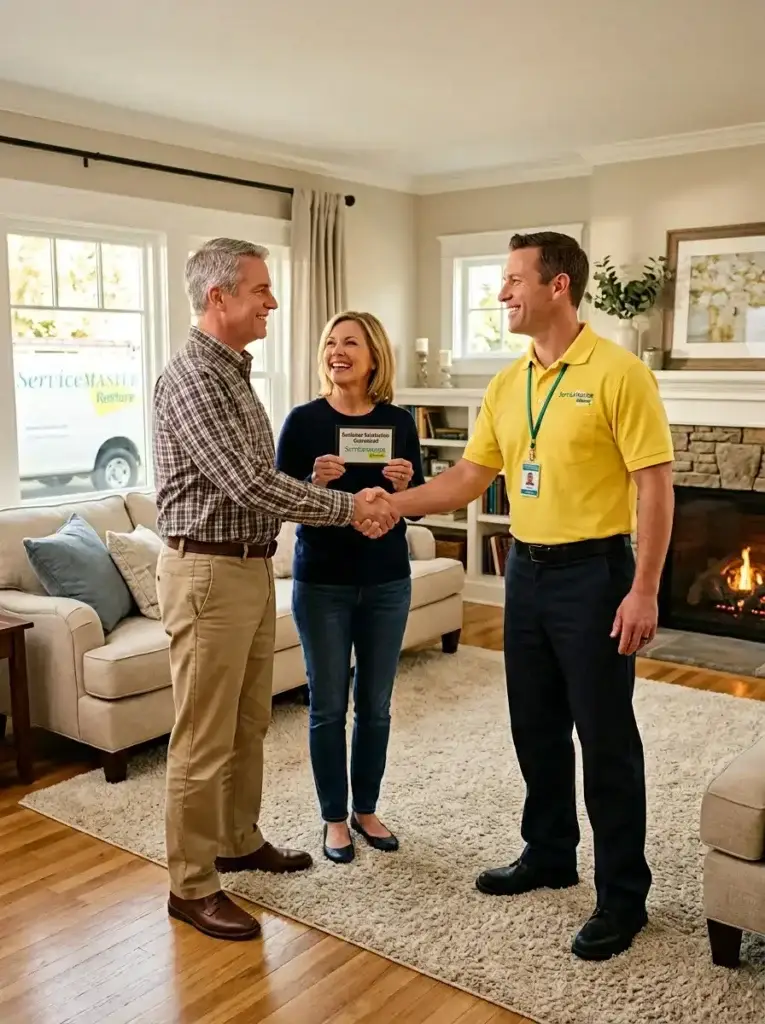
Selecting a qualified restoration company is an important part of recovering from water damage. Look for experienced professionals who provide emergency response services, use modern drying equipment, and follow recognized industry standards.
A reputable company performs thorough inspections, communicates clearly throughout the project, and develops a customized restoration plan based on the property’s specific needs. Transparent estimates and detailed documentation are especially helpful when working with insurance providers.
Customer reviews, professional certifications, and years of experience can also help evaluate a restoration company’s reliability. Choosing skilled professionals ensures the restoration process is completed efficiently, safely, and with long-lasting results that protect your investment.
Conclusion
Knowing when to begin water damage restoration can make the difference between a manageable repair and a costly reconstruction project. Immediate action limits structural damage, reduces the risk of mold growth, protects valuable belongings, and helps restore your property more efficiently. Recognizing early warning signs, understanding the restoration process, and working with experienced professionals all contribute to a faster and more successful recovery. If your home or business has experienced water damage, don’t wait for the problem to worsen. Contact ServiceMaster Restoration Services in Lisle for prompt, professional assistance. Their experienced restoration team is ready to help you protect your property and restore it safely. Call +1 630-241-1111 to schedule expert restoration services when you need them most.
https://www.spreaker.com/episode/when-should-you-start-water-damage-restoration–73110313
https://www.podomatic.com/podcasts/ginawashingt90podcast/episodes/2026-07-22T09_00_55-07_00
https://stream.redcircle.com/episodes/f322c44b-5444-4712-97d8-ad5eacb4ab6b/stream.mp3