Water damage can happen without warning, whether it’s caused by a burst pipe, severe storm, overflowing appliance, or plumbing failure. Once water enters your property, acting quickly is essential to reduce structural damage, prevent mold growth, and restore your home or business safely. Water damage restoration is the professional process of removing excess water, drying affected areas, cleaning contaminated materials, and repairing damaged structures to return the property to its original condition.
The amount of time required for water damage restoration depends on several important factors, including the extent of the damage, the type of water involved, and how quickly restoration begins. Understanding the restoration timeline helps property owners set realistic expectations and make informed decisions during a stressful situation. This guide explains each stage of the process and the factors that influence how long restoration typically takes.
Initial Assessment and Inspection
Every restoration project begins with a thorough inspection of the affected property. Restoration professionals evaluate the source of the water intrusion, determine the category of water involved, and identify how far the moisture has spread. Specialized equipment such as moisture meters, infrared cameras, and hygrometers helps detect hidden moisture behind walls, under flooring, and inside ceilings.
A complete assessment is essential because water often travels farther than what is visible on the surface. Even small leaks can saturate insulation, framing, and subflooring if left untreated. During this stage, technicians also create a customized restoration plan based on the property’s condition.
The inspection usually takes several hours, depending on the size of the property and the complexity of the damage. Once completed, homeowners receive a clear explanation of the recommended restoration process and an estimated project timeline. Starting the restoration immediately after the inspection significantly reduces the risk of additional damage and mold growth.
Water Extraction Is the First Critical Step
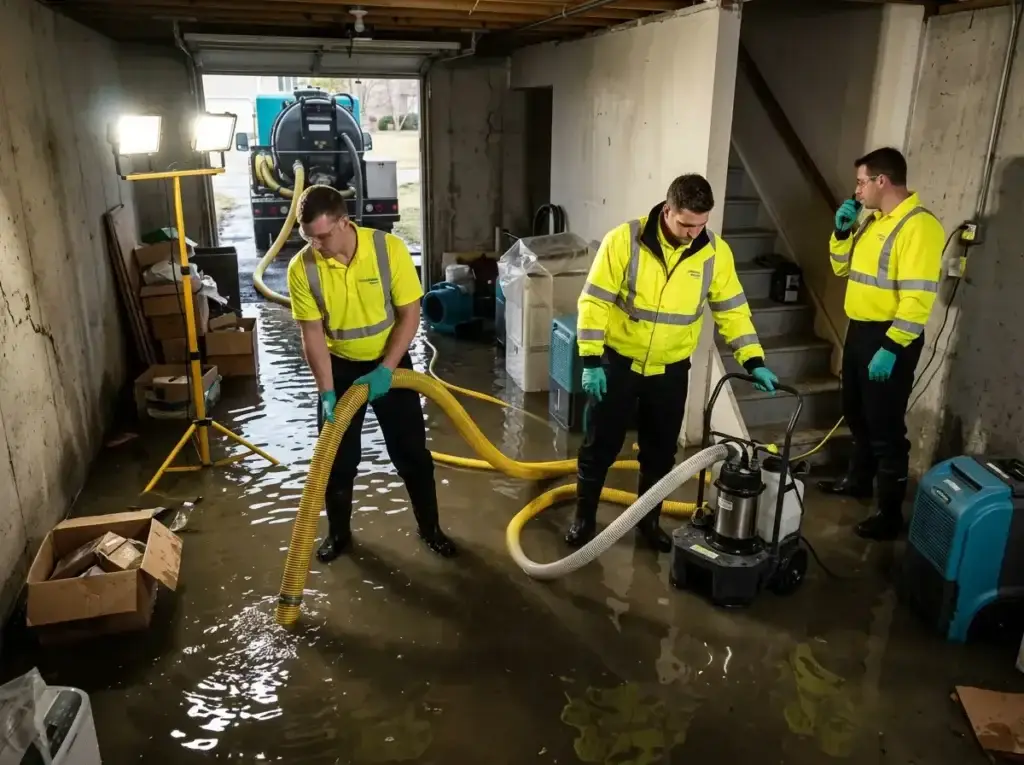
Removing standing water is the highest priority after the inspection. Professional restoration teams use industrial pumps and powerful extraction equipment to remove water as quickly as possible. Fast extraction minimizes damage to flooring, drywall, furniture, and structural components.
The time required for water extraction depends largely on the amount of water present. A minor plumbing leak affecting one room may be extracted within a few hours, while flooding involving multiple levels of a building can require an entire day or longer.
Professionals also remove water trapped beneath flooring materials and inside wall cavities whenever necessary. Complete extraction helps prevent moisture from lingering in hidden areas where mold and bacteria can develop. Prompt water removal lays the foundation for an efficient restoration process and shortens the overall recovery timeline.
Drying and Dehumidification Usually Take Several Days
Although standing water may be removed quickly, drying the structure requires considerably more time. Industrial air movers and commercial-grade dehumidifiers are strategically placed throughout the property to remove moisture from walls, flooring, framing, and other building materials.
Technicians monitor moisture levels daily to ensure the drying process is progressing correctly. Equipment placement may be adjusted based on moisture readings to maximize efficiency.
In most residential projects, drying typically requires three to five days. However, properties with extensive water intrusion or high humidity may require additional drying time. Rushing this phase can leave hidden moisture behind, increasing the risk of mold growth and future structural issues. Careful drying is one of the most important parts of water damage restoration because it protects the long-term integrity of the property.
Cleaning, Sanitizing, and Odor Removal
After the property has dried, technicians begin cleaning and sanitizing affected surfaces. This step removes dirt, bacteria, and contaminants that may have entered with the water. The cleaning process varies depending on whether the damage involved clean water, gray water, or contaminated floodwater.
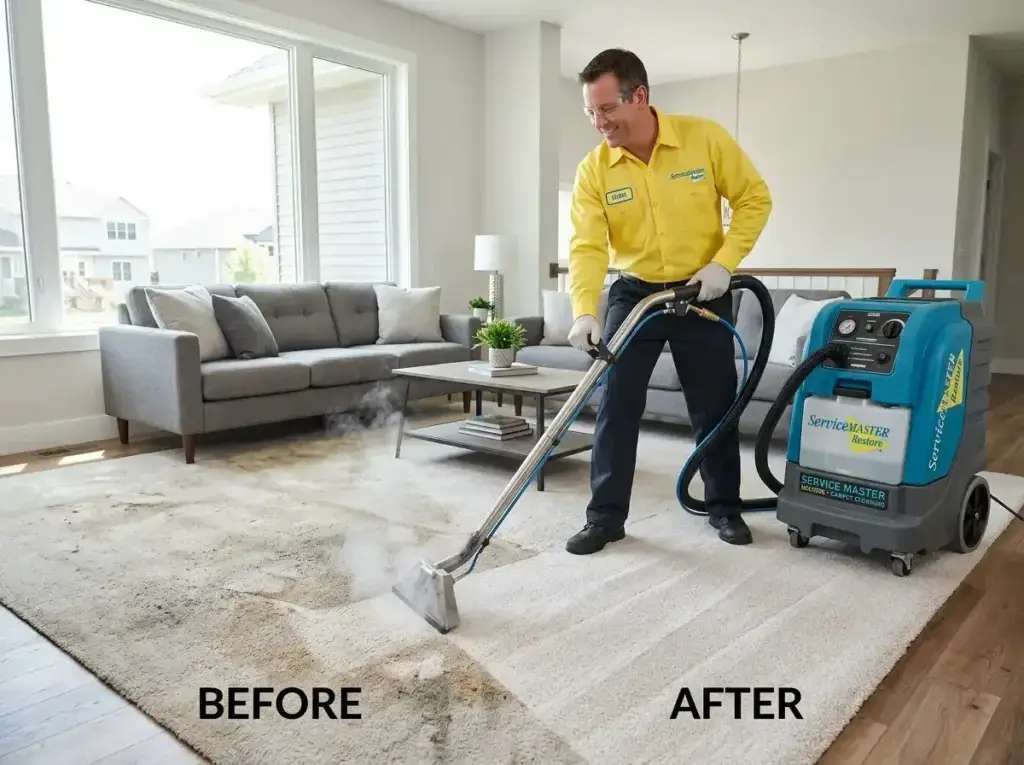
Furniture, carpets, upholstery, and personal belongings may require specialized cleaning techniques. Odor removal equipment such as air scrubbers and hydroxyl or ozone treatments may also be used to eliminate lingering smells caused by moisture.
This stage generally takes one to three days, although larger projects involving extensive cleaning or contents restoration may require additional time. Thorough cleaning improves indoor air quality and ensures the property is safe for occupants before reconstruction begins.
Repairs and Reconstruction Affect the Overall Timeline
The restoration timeline often depends on the amount of rebuilding required after drying is complete. Minor projects involving drywall repairs, painting, or flooring replacement may only take a few days.
More severe water damage may require replacing insulation, framing, cabinets, flooring systems, ceilings, or even portions of the home’s structural framework. These larger repairs naturally extend the project timeline.
Material availability, permit requirements, and scheduling specialized contractors can also influence reconstruction time. While the drying phase often concludes within a week, complete restoration including repairs may take anywhere from several days to several weeks depending on the severity of the damage.
Factors That Can Extend the Restoration Process
Every water damage situation is unique, and several variables can increase the amount of time needed to restore a property. One of the biggest factors is how quickly restoration begins after the initial water intrusion. Delays allow moisture to penetrate deeper into building materials, making drying more difficult.
The category of water also affects the restoration timeline. Clean water incidents generally require less cleaning than sewage backups or floodwater contamination, which often require additional sanitization and material removal.
Large commercial properties, multi-story homes, or buildings with complex floor plans may also require longer drying and repair periods. Seasonal humidity, hidden moisture, and insurance approval processes can further influence project duration. Working with experienced restoration professionals helps minimize delays and ensures each phase is completed correctly.
Why Fast Response Makes a Big Difference
The sooner restoration begins, the shorter the recovery process is likely to be. Water begins damaging drywall, flooring, insulation, and wood framing almost immediately after exposure. Within 24 to 48 hours, mold growth may begin if moisture remains trapped inside the structure.
Quick professional intervention limits secondary damage, reduces repair costs, and improves the chances of saving flooring, furniture, and personal belongings. Immediate extraction and drying also decrease the likelihood of structural deterioration.
Choosing an experienced restoration company with emergency response capabilities allows technicians to begin mitigation quickly. Fast action protects both the property and the overall restoration timeline while reducing long-term repair expenses.
What Property Owners Can Expect During Restoration
Knowing what to expect during restoration helps reduce uncertainty throughout the process. Communication between homeowners and restoration professionals is an important part of every successful project.
Technicians typically provide regular progress updates, explain moisture readings, and discuss upcoming repair phases. Property owners may notice drying equipment operating continuously for several days, which is normal and necessary for proper moisture removal.
Insurance documentation, photographs, and detailed reports are often prepared throughout the project to simplify claims processing. Although each project varies, professional planning and consistent communication help homeowners understand the timeline and feel confident that the property is progressing toward full recovery. Throughout the process, water damage restoration professionals focus on restoring safety, cleanliness, and structural stability as efficiently as possible.
Conclusion
The time required for water damage restoration depends on the severity of the damage, the amount of water involved, the drying conditions, and the repairs needed afterward. While minor incidents may be completed within a few days, more extensive restoration projects can take several weeks to fully restore the property. Acting quickly, working with experienced professionals, and allowing each phase of the restoration process to be completed properly are the best ways to minimize damage and ensure lasting results.
If your home or business has experienced water damage, ServiceMaster Restoration Services proudly provides professional restoration solutions throughout Lisle. Their experienced team responds quickly, uses advanced restoration equipment, and works efficiently to restore your property safely. For immediate assistance or to schedule an inspection, call +1 630-241-1111 today.
https://www.spreaker.com/episode/how-long-does-water-damage-restoration-take–73110231
https://www.podomatic.com/podcasts/ginawashingt90podcast/episodes/2026-07-22T08_57_43-07_00
https://stream.redcircle.com/episodes/8e27d93b-f9dc-4698-b3de-9f1704a6ba92/stream.mp3