Why Acting Quickly Makes a Huge Difference
Time is one of the most important factors after water damage occurs. The first few hours often determine whether belongings can be restored or must be replaced. Water continues to spread through porous materials, weakening their structure and creating ideal conditions for mold growth. The sooner cleanup begins, the greater the likelihood of preserving valuable possessions.
Within the first 24 to 48 hours, moisture begins penetrating furniture, flooring, drywall, fabrics, and personal items. Paper products may warp, wood can swell, and upholstered furniture may absorb large amounts of water. If left untreated, these materials become increasingly difficult to restore.
Fast response also reduces secondary damage. Moisture trapped behind walls or beneath flooring can remain unnoticed while causing hidden deterioration. Professional restoration teams use specialized moisture detection equipment to identify these problem areas before they become more serious.
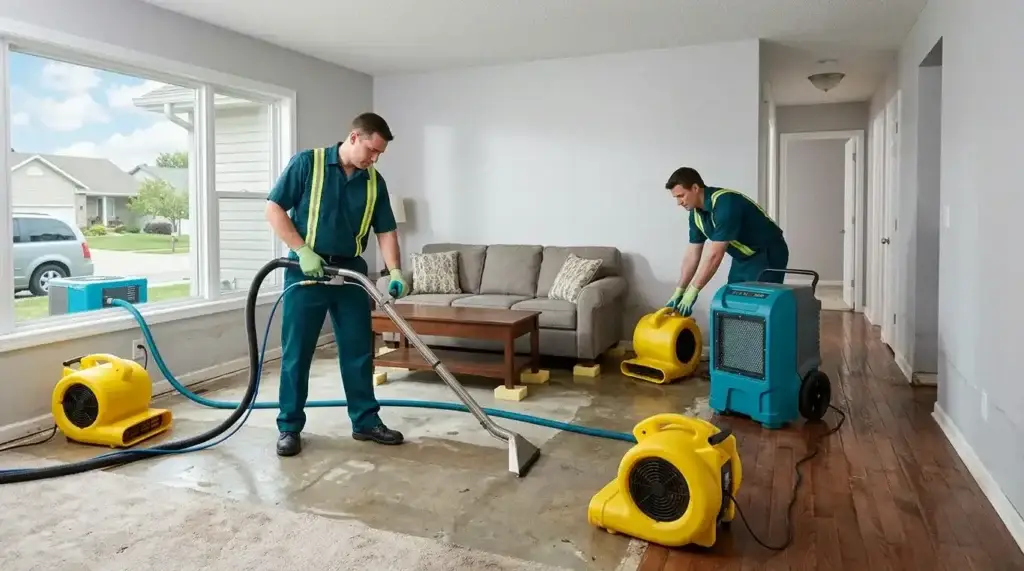
Many homeowners attempt to remove standing water themselves, but household fans and basic cleaning supplies rarely remove moisture completely. Professional drying equipment accelerates the drying process and helps prevent long-term damage.
Which Belongings Can Usually Be Restored?
Many people assume that everything touched by water must be discarded, but that is often not the case. Professional restoration specialists evaluate each item individually to determine whether recovery is possible.
Furniture made from solid wood often responds well to controlled drying methods. Although swelling or slight warping may occur initially, careful moisture removal and refinishing can often restore its appearance. Upholstered furniture may also be recoverable when cleaned and dried promptly.
Clothing, bedding, curtains, and other textiles frequently can be cleaned using specialized restoration laundry techniques. Professional cleaning removes moisture, odors, and contaminants more effectively than traditional washing machines.
Area rugs are another category that can often be restored. Specialty drying rooms and cleaning methods help preserve delicate fibers while preventing mold growth.
Kitchen items, decorative pieces, and many household belongings made from glass, ceramic, or metal generally survive water exposure if properly cleaned and sanitized.
Can Electronics Be Saved After Water Damage?
Electronics are among the most concerning possessions after water damage. Computers, televisions, gaming systems, appliances, and home entertainment equipment contain delicate components that react quickly to moisture.
One of the biggest mistakes homeowners make is attempting to power on wet electronics. Electricity and moisture create additional damage that may permanently destroy internal circuits. Instead, electronics should remain unplugged until inspected by qualified professionals.
Restoration specialists carefully assess each device before beginning controlled drying procedures. In some situations, moisture removal and professional cleaning can successfully restore electronics that have not experienced severe corrosion.
The type of water involved also matters significantly. Clean water from a broken supply line poses fewer risks than contaminated floodwater or sewage backups. Devices exposed to contaminated water require extensive cleaning and sanitization before restoration can even be considered.
Data recovery is another important concern. Even if a computer cannot be fully repaired, professionals may still recover valuable documents, photos, and business files from storage devices.
Saving Important Documents and Family Keepsakes
Some belongings cannot easily be replaced because they hold emotional or historical value. Birth certificates, passports, family photographs, legal records, artwork, and heirlooms often fall into this category.
Paper products become extremely fragile after absorbing water. Attempting to separate wet pages or photographs can cause permanent damage. Restoration professionals use specialized drying methods, including freeze-drying technology, to stabilize documents before deterioration continues.
Photographs require particularly careful handling. Modern restoration techniques help prevent images from sticking together while reducing discoloration caused by moisture.
Books, journals, certificates, and collectible documents may also be recoverable if treated quickly. Delaying restoration increases the likelihood of mold growth, ink bleeding, and paper deterioration.
Family heirlooms made from wood, metal, ceramics, or glass can frequently be cleaned and restored using specialized conservation methods. Each item receives individual attention based on its condition and material composition.
How Water Type Affects Restoration Success
Not all water damage is the same. Restoration professionals classify water into different categories because contamination levels greatly influence what can be safely restored.
Clean water typically comes from broken pipes, overflowing sinks, or appliance supply lines. Since this water contains relatively few contaminants, belongings exposed to it usually have the highest restoration potential when addressed quickly.
Gray water originates from washing machines, dishwashers, or bathroom fixtures. Although not immediately hazardous, it may contain bacteria and other contaminants that require thorough cleaning before belongings can be safely reused.
Black water presents the greatest challenge. Floodwater, sewage backups, and standing water from natural disasters often contain harmful bacteria, chemicals, and other hazardous materials. Many porous belongings exposed to black water cannot be safely restored due to health risks.
Professional restoration companies carefully inspect each affected item while following industry safety guidelines. Their goal is not simply saving possessions but ensuring they remain safe for future use.
Professional Equipment Makes a Significant Difference
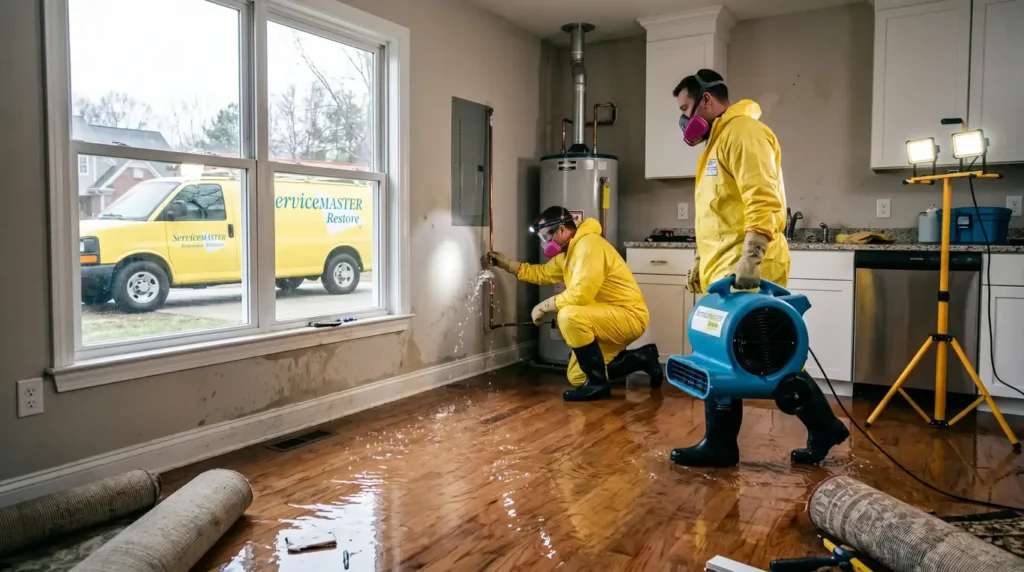
Successful restoration depends on much more than removing visible water. Hidden moisture often remains inside walls, flooring, furniture, insulation, and other building materials long after surfaces appear dry.
Professional restoration companies use industrial-grade extraction equipment that removes standing water much faster than household wet vacuums. High-capacity air movers circulate air efficiently while commercial dehumidifiers remove moisture from the environment.
Moisture meters and thermal imaging cameras help technicians locate hidden pockets of moisture behind walls and beneath flooring. Detecting these areas early prevents mold growth and additional structural deterioration.
Specialized drying chambers, furniture drying systems, and document restoration equipment further improve the chances of saving valuable belongings. Odor removal technologies also eliminate lingering musty smells caused by prolonged moisture exposure.
Professional monitoring throughout the drying process ensures moisture levels continue decreasing until restoration goals are achieved. This scientific approach produces more reliable results than relying solely on visual inspection.
When Restoration May Not Be Possible
Although restoration professionals can recover many belongings, some situations make replacement the safer or more practical option. Understanding these limitations helps homeowners prepare realistic expectations.
Items exposed to black water contamination may pose ongoing health risks even after cleaning. Mattresses, heavily saturated upholstered furniture, insulation, and certain porous materials often cannot be safely sanitized.
Belongings left wet for extended periods frequently develop extensive mold growth. Once mold penetrates deeply into porous materials, restoration becomes increasingly difficult and sometimes impossible.
Structural integrity also influences restoration decisions. Severely warped wood, crumbling drywall, or heavily deteriorated furniture may no longer provide safe or reliable use.
Cost plays another role. In some cases, restoration expenses exceed replacement value. Insurance companies and restoration professionals often compare repair costs with replacement costs before recommending the most practical solution.
Preventing Future Water Damage to Protect Your Belongings
While professional restoration can recover many possessions, prevention remains the best strategy for protecting your home and valuables. Regular maintenance significantly reduces the likelihood of unexpected water damage.
Inspect plumbing connections, washing machine hoses, water heaters, and appliance supply lines periodically for signs of wear or leaks. Replacing aging components before failure can prevent expensive emergencies.
Keep gutters and downspouts clear so rainwater drains away from your home’s foundation. Proper grading around your property also helps direct water away from the structure.
Consider installing leak detection systems that automatically alert homeowners when moisture is detected. Water shut-off devices provide an additional layer of protection by stopping leaks before major flooding occurs.
Conclusion
Professional water damage restoration can often save furniture, electronics, documents, sentimental keepsakes, and many other valuable belongings when action is taken quickly. The success of restoration depends on factors such as response time, the type of water involved, the materials affected, and the expertise of the restoration professionals. While some severely contaminated or deteriorated items may require replacement, many possessions can be successfully recovered using advanced equipment and proven restoration techniques.
If your home or business has experienced water damage, don’t wait for the problem to worsen. ServiceMaster Restoration Services proudly serves homeowners and businesses throughout Lisle with prompt, reliable restoration solutions. Their experienced team is ready to assess the damage, recover as many belongings as possible, and restore your property efficiently. Call +1 630-241-1111 today to schedule professional assistance and begin the restoration process before further damage occurs.
https://www.spreaker.com/episode/can-water-damage-restoration-save-my-belongings–74696744
https://www.podomatic.com/podcasts/celestinaheavenly9podcast/episodes/2026-08-26T05_03_53-07_00
https://stream.redcircle.com/episodes/067e1e37-2642-47b9-821d-f408054fa290/stream.mp3