


How do you keep mold from coming back after remediation?
You keep mold from returning by controlling moisture. EPA's rule is that the key to mold control is moisture control: fix leaks quickly, dry wet materials within 24 to 48 hours, keep indoor relative humidity below 60 percent, ideally 30 to 50 percent, and direct rain and groundwater away from the foundation. Without moisture, leftover spores can't grow.
Remediation removes the growth that's there today. Prevention deals with why it grew. Most repeat mold calls trace back to the same short list: a basement that stays damp, humid summer air, condensation on cold surfaces, or drainage that sends water toward the house instead of away from it.
What indoor humidity should you aim for?
EPA's Brief Guide to Mold, Moisture and Your Home recommends keeping indoor humidity below 60 percent relative humidity, and ideally between 30 and 50 percent. EPA notes that a humidity meter is a small, inexpensive instrument sold at many hardware stores, so this is one target anyone can check.
That target is well below what the air outside often holds. The Illinois State Climatologist's office notes that average relative humidity for any location in Illinois, in any month, is about 75 percent, and it calls dew point a better measure of how much moisture the air actually carries.
Relative humidity benchmarks for mold prevention
Percent relative humidity: EPA indoor targets compared with typical Illinois outdoor air
Source: U.S. EPA, A Brief Guide to Mold, Moisture and Your Home; Illinois State Water Survey, Average Dewpoint Temperatures in Illinois
Should you ventilate or dehumidify in a Chicago-area summer?
It depends on the outdoor air. EPA's mold prevention guidance says to reduce indoor moisture by increasing ventilation when outside air is cold and dry, or by dehumidifying when outdoor air is warm and humid. As the state climatologist puts it, every summer in Illinois is warm and humid with a chance of thunderstorms. In those months, opening basement windows tends to bring moisture in, while air conditioning and dehumidifiers take it out.
Whatever the season, EPA recommends venting moisture-producing appliances such as clothes dryers to the outside, and running bathroom fans or opening a window when showering, cooking or running the dishwasher. A fan has to exhaust outdoors to help; one that dumps humid air into an attic just moves the problem.
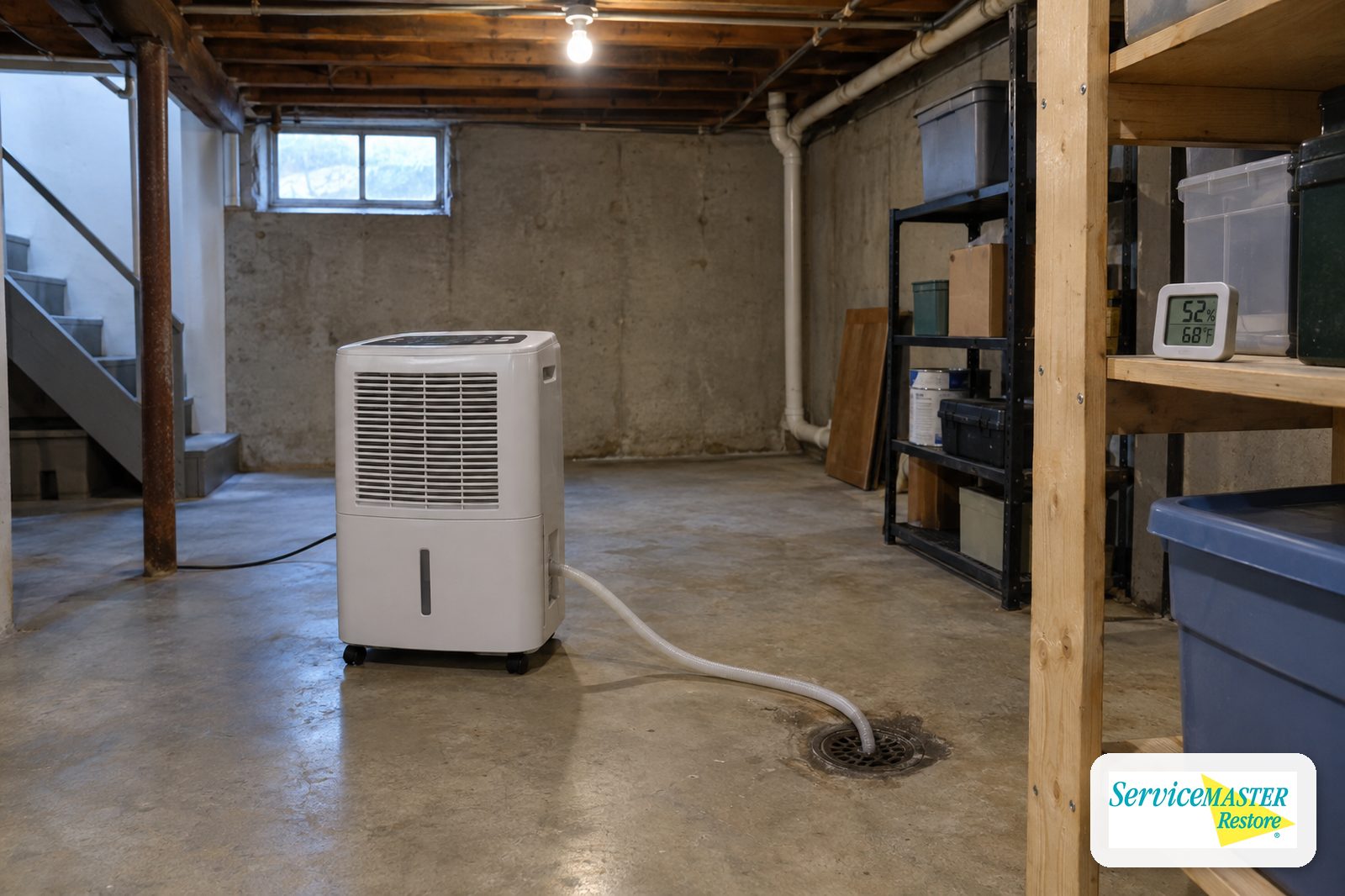
Set the dehumidifier, then check it
A dehumidifier only works if it runs at the right setting and drains reliably. Pair it with a separate hygrometer so you know the actual humidity, keep the basement door closed while it runs, and empty or route its drain line so it doesn't shut off when the bucket fills.
Where does condensation come from, and how do you stop it?
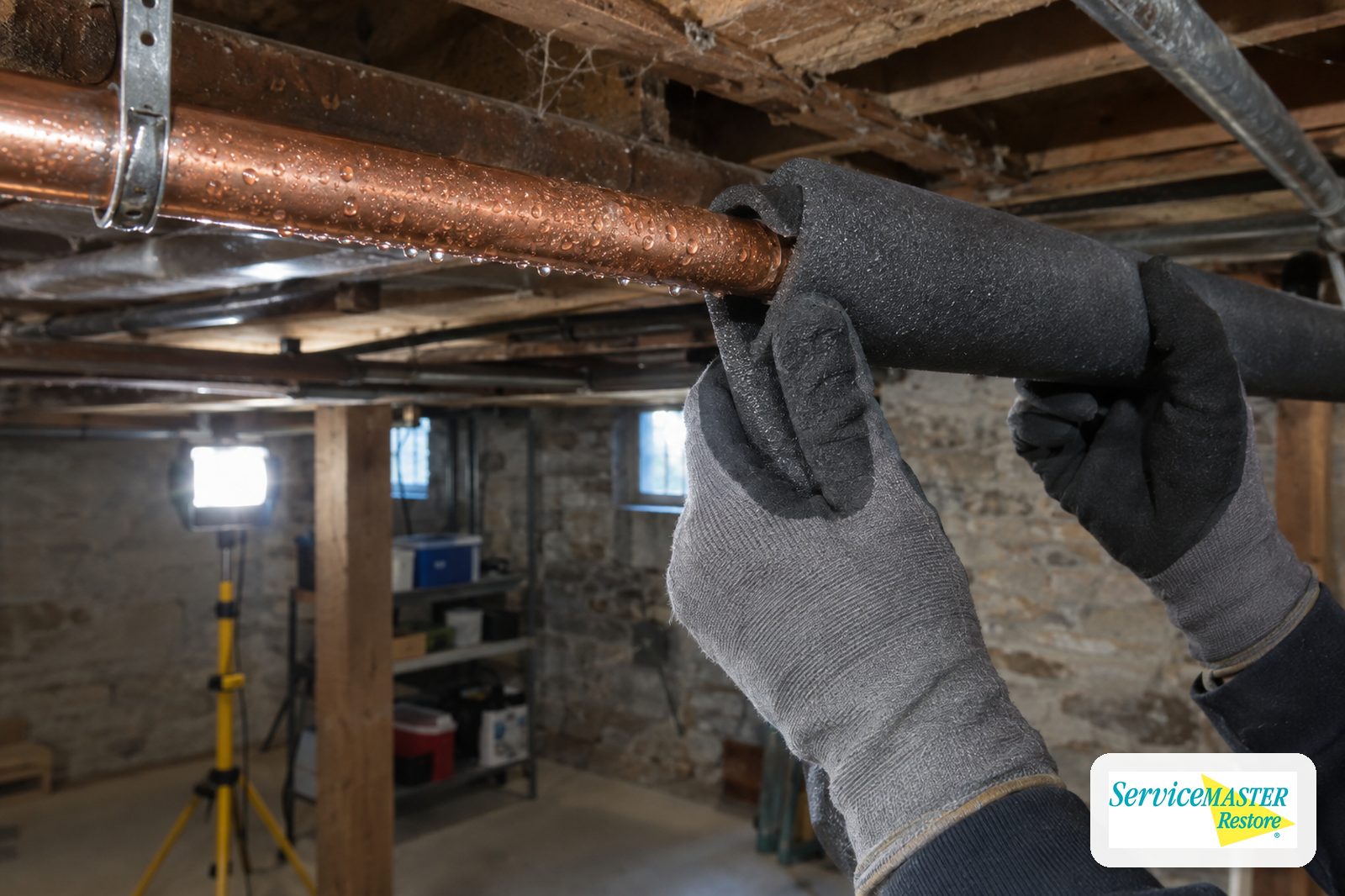
Condensation forms when warm, moist air meets a cold surface: cold-water pipes, basement walls, window glass in January, or ductwork in a humid crawl space. EPA says condensation can be a sign of high humidity and should be dried quickly. Its fixes are to reduce humidity, increase air movement, cover cold surfaces such as cold-water pipes with insulation, and raise the air temperature. EPA also points to rust on a drainpipe as a telltale sign of repeated condensation.
Air conditioners create their own water. EPA recommends keeping drip pans clean and drain lines unobstructed and flowing, and its mold course notes that clogged condensate pans can become reservoirs for mold. Whole-house humidifiers deserve attention too. EPA advises cleaning them regularly and setting them to produce less than 60 percent relative humidity.
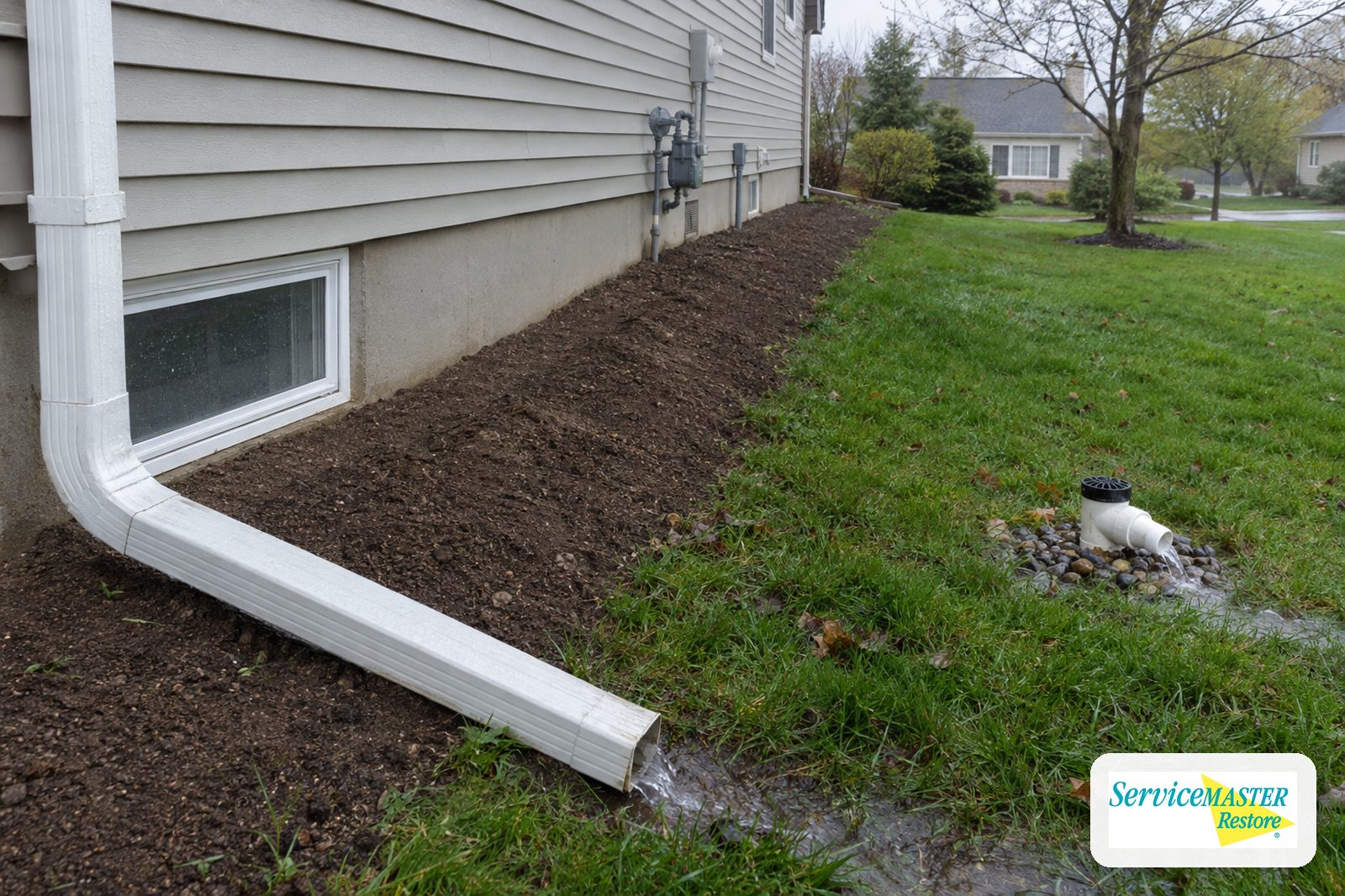
Gutters, grading and sump pumps
EPA recommends cleaning and repairing gutters regularly and making sure the ground slopes away from the foundation so water doesn't collect against it. Its mold course adds that sump pumps or regrading should be considered where water seeps into basements or crawl spaces. Test the sump before spring storms by pouring water into the pit and watching the pump cycle.
- Measure humidity monthly. Keep indoor levels under 60 percent and ideally 30 to 50 percent, as EPA recommends.
- Walk the exterior each season. Clear gutters, extend downspouts and fix low spots so ground slopes away from the house.
- Test the sump pump. Confirm it starts, discharges away from the foundation and has a working check valve.
- Check plumbing and appliance hoses. Look under sinks, behind the washer and at the water heater for drips or rust.
- Service HVAC drains and filters. Keep condensate pans clean and draining, and replace filters on schedule.
- Dry any leak within 24 to 48 hours. EPA says that in most cases mold won't grow if wet materials dry in that window.
What should you check in the months after mold remediation?
EPA's checklist for a finished job includes revisiting the site shortly after cleanup to confirm there are no signs of water damage or mold growth. A good habit is to recheck the remediated area after the first heavy rain and again at the height of summer humidity. Look for new staining, a returning musty smell or soft drywall. The Insurance Information Institute notes that standard homeowners policies generally don't cover mold from ongoing maintenance issues, which makes prevention the cheaper path. If something seems off, a follow-up mold inspection and assessment can find it early, and lingering odor is handled through sanitization and deodorization.
Seasonal guides help too: see our fall maintenance checklist to prevent winter water damage and why DuPage basements flood after heavy rain.
Moisture control for DuPage and Will County properties
Humid summers, freeze-thaw winters and finished lower levels make moisture the long-term issue for many local buildings. Our certified technicians, based in Lisle, help with prevention after residential and commercial mold remediation, including mold remediation in Homer Glen, Lockport, Romeoville and Bolingbrook. See the full process on our mold remediation page.
Want a second look at a damp basement or a spot that keeps coming back? Contact us or call (630) 241-1111, any hour.
Frequently asked questions
What humidity should I set my dehumidifier to?
EPA recommends keeping indoor relative humidity below 60 percent, and ideally between 30 and 50 percent. Set the dehumidifier within that range and check it with a separate humidity meter, which EPA describes as a small, inexpensive instrument sold at many hardware stores. Readings that stay above 60 percent mean the unit is undersized, set too high or not draining.
How fast does water damage need to be dried to prevent mold?
EPA says to dry water-damaged areas and items within 24 to 48 hours. If wet or damp materials are dried within that window after a leak or spill, in most cases mold will not grow. Large leaks, soaked drywall or wet carpet pad are hard to dry that quickly without professional extraction and drying equipment.
Can I vent my bathroom fan into the attic?
No. The U.S. Department of Energy calls venting kitchen, bathroom or dryer exhaust into the attic a major source of moisture that can lead to mold and moisture problems in the attic, and notes it may violate local building codes. Fans should be ducted to the outside through a roof or wall cap. EPA likewise recommends venting moisture-producing appliances outdoors.
Can a whole-house humidifier cause mold?
It can if it isn't maintained or is set too high. EPA's mold course says furnace humidifiers must be cleaned regularly to prevent mold and bacterial growth, and that humidifiers should be set to produce less than 60 percent relative humidity, since higher levels are likely to cause condensation inside the building. Check the duct and filter areas around the unit for leaks.
Why do my windows sweat in winter?
Condensation forms when warm, moist indoor air meets cold glass. EPA says condensation can be a sign of high humidity and should be dried quickly. Its fixes are to reduce indoor humidity, increase ventilation or air movement, and raise the air temperature. Persistent sweating that drips onto sills and walls can lead to mold on window frames and nearby drywall.
Sources
- U.S. EPA: A Brief Guide to Mold, Moisture and Your Home
- Illinois State Climatologist Office, Illinois State Water Survey: Average Dewpoint Temperatures in Illinois
- U.S. EPA: Mold Remediation in Schools and Commercial Buildings, Chapter 2: Mold Prevention
- Illinois State Climatologist: Outlook for Summer in Illinois: Warm, Humid, Chance of Thunderstorms
- Insurance Information Institute (Triple-I): Protecting your home from mold
- U.S. EPA: Mold Course Chapter 9
- U.S. Department of Energy, Energy Saver: Consumer Guide to Durable Attics