Why Immediate Water Damage Restoration Matters
When water damage occurs, time becomes one of the most important factors in limiting destruction. Water doesn’t remain in one place. It travels through flooring, drywall, insulation, cabinets, and even electrical systems. Within minutes, moisture begins soaking porous materials that can quickly become weakened or permanently damaged.
The first 24 to 48 hours are particularly critical. Damp materials create an ideal environment for mold growth, while standing water can warp hardwood flooring, weaken drywall, and damage furniture. Delaying restoration often results in more expensive repairs because water continues spreading long after the original leak has stopped.
Professional restoration companies understand the urgency of these situations and prioritize emergency response whenever possible. Their goal is to stop further damage before it becomes a much larger problem. Quick action also improves the chances of salvaging carpets, furniture, documents, and other personal belongings.
The sooner restoration specialists arrive, the sooner they can remove water, begin drying the property, and prevent secondary damage. Fast response protects both your investment and your family’s safety, making early intervention one of the most important parts of successful water damage restoration.
What Happens Immediately After You Call a Restoration Company
Once you contact a restoration company, the response process typically begins immediately. Most emergency restoration providers offer 24/7 availability because water emergencies rarely happen during regular business hours.
During your initial phone call, you’ll be asked questions about the source of the water, the areas affected, and whether the leak has been stopped. This information helps dispatch the right equipment and technicians before they arrive.
In many cases, emergency crews can begin traveling to your property within a short period after your call. Their vehicles are usually stocked with extraction machines, drying equipment, moisture meters, and protective gear needed to start work immediately.
Upon arrival, technicians perform a complete inspection to identify affected materials and determine the safest restoration plan. They also classify the water source to determine whether additional sanitation procedures are required.
By gathering this information early, restoration professionals can move efficiently from inspection to water removal without unnecessary delays. This organized approach allows water damage restoration to begin as quickly as conditions safely allow.
Factors That Affect How Quickly Restoration Can Start
Although restoration often begins quickly, several factors influence exactly how soon work can start. One of the biggest considerations is whether the water source has been stopped. Active leaks or flooding must be controlled before drying efforts can begin.
Accessibility also affects response time. If technicians cannot safely enter certain parts of the property due to structural concerns or electrical hazards, additional safety measures may be required first.
The type of water involved also matters. Clean water from broken supply lines can often be addressed immediately. Gray water from appliances or black water from sewage backups requires additional protective equipment and sanitation procedures before restoration progresses.
Weather conditions can influence response as well. During major storms or regional flooding, restoration companies may receive a high volume of emergency calls, which can extend arrival times despite their best efforts.
The First Steps of the Restoration Process
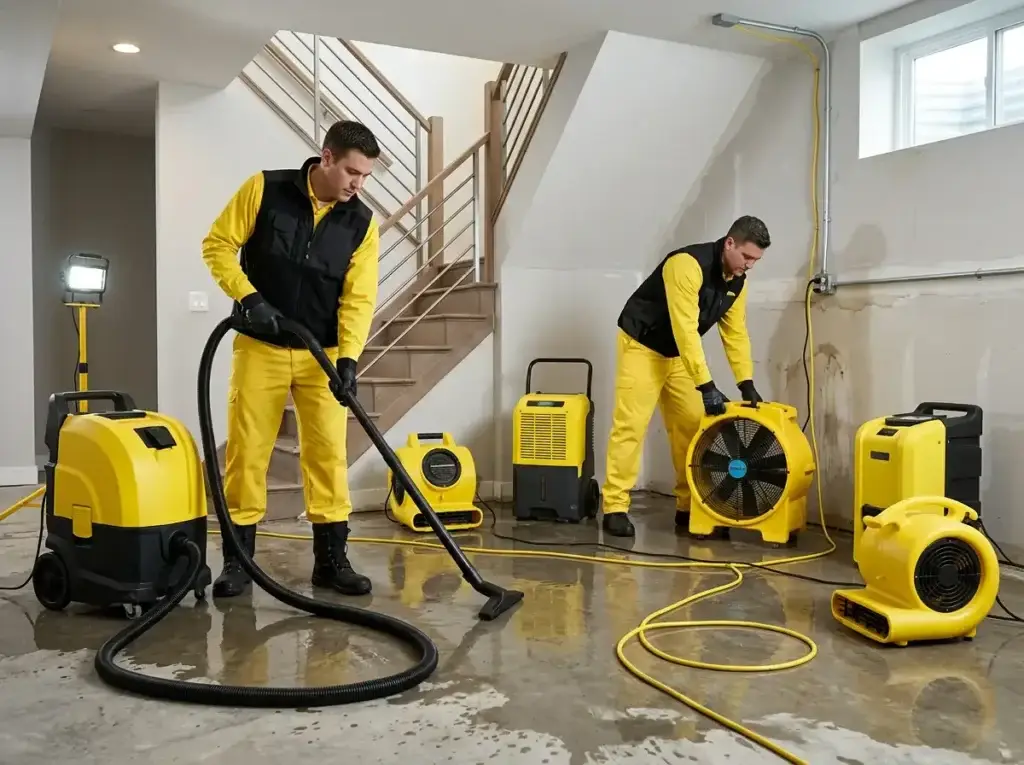
Once technicians arrive, restoration begins with a detailed assessment of the affected areas. Moisture detection equipment helps locate hidden water behind walls, beneath flooring, and inside ceilings where damage may not be visible.
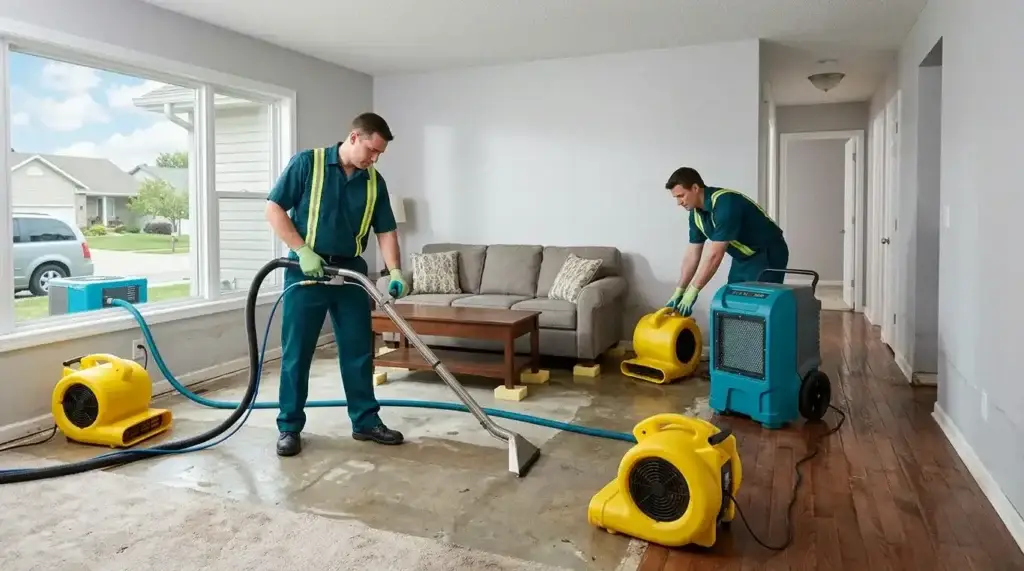
The next priority is water extraction. Powerful pumps and industrial vacuums remove standing water quickly to reduce additional saturation. This step often prevents further deterioration of flooring, drywall, and structural materials.
After extraction, technicians remove damaged materials that cannot be salvaged. Wet carpet padding, insulation, or severely damaged drywall may need to be discarded to eliminate trapped moisture and prevent mold development.
Industrial air movers and commercial dehumidifiers are then strategically placed throughout the property. These machines work continuously to remove moisture from the air and surrounding building materials.
Can Restoration Begin Before Insurance Approval?
Many homeowners hesitate to call restoration professionals because they worry about waiting for insurance approval. In most situations, emergency mitigation should begin immediately rather than waiting for claim decisions.
Insurance companies generally encourage property owners to take reasonable steps to prevent additional damage. Delaying emergency water removal can actually increase repair costs, making claims more complicated.
Restoration companies often document the damage thoroughly before beginning work. They take photographs, record moisture readings, and prepare detailed reports that help support insurance claims later in the process.
Many restoration providers also communicate directly with insurance adjusters to simplify documentation and coordinate necessary information. This allows emergency work to begin while insurance details continue moving forward.
Why Professional Equipment Speeds Up Restoration
Professional restoration companies use specialized equipment that works far more efficiently than household fans or portable dehumidifiers. These commercial-grade machines are designed specifically for rapid moisture removal.
High-capacity extraction equipment removes thousands of gallons of water much faster than standard wet vacuums. Industrial air movers circulate large volumes of air to accelerate evaporation across floors, walls, and ceilings.
Commercial dehumidifiers continuously pull moisture from the air, helping wet materials dry evenly and reducing humidity throughout the property. Moisture meters and thermal imaging cameras allow technicians to locate hidden water that would otherwise remain undetected.
Without professional equipment, moisture can stay trapped behind walls or beneath flooring for extended periods, increasing the risk of mold growth and structural damage.
What Property Owners Should Do While Waiting for Restoration
Although professional crews work quickly, there are several safe actions property owners can take while waiting for technicians to arrive. If it is safe, shut off the water source to stop additional flooding.
Turn off electricity in affected areas if water has reached outlets or electrical equipment. Never enter standing water where electrical hazards may exist.
Move valuable belongings, electronics, important documents, and small furniture away from wet areas whenever possible. Place aluminum foil or wood blocks under furniture legs to reduce staining on flooring.
Avoid using household vacuums to remove standing water because they are not designed for flood conditions and may create electrical hazards.
How Fast Response Reduces Overall Repair Costs
One of the greatest benefits of immediate restoration is cost savings. The earlier water is removed, the fewer building materials require replacement.
Rapid drying often allows hardwood flooring, drywall, cabinetry, and structural framing to be preserved rather than completely rebuilt. This significantly lowers labor and material costs while shortening the overall project timeline.
Quick response also reduces mold growth, which can require extensive remediation if allowed to spread throughout a property. Preventing mold saves both time and money while protecting indoor air quality.
Insurance claims may also be simpler when homeowners demonstrate they acted promptly to reduce additional damage. Restoration companies provide documentation showing emergency mitigation efforts were performed immediately after the incident.
Choosing a Restoration Company That Responds Quickly
Not all restoration companies provide the same level of emergency response. When choosing a provider, look for one that offers 24-hour emergency service with trained technicians available around the clock.
Experience is another important consideration. Companies with extensive restoration knowledge can assess damage accurately and begin work efficiently without unnecessary delays.
Ask whether the company uses commercial-grade drying equipment and advanced moisture detection technology. Proper equipment significantly improves restoration speed and overall effectiveness.
Reading customer reviews can also provide valuable insight into response times and service quality. Reliable restoration providers communicate clearly throughout the project and keep homeowners informed during every stage of the process.
Conclusion
The sooner water damage restoration begins, the better the chances of minimizing structural damage, preventing mold growth, and reducing overall repair costs. Fast emergency response allows professionals to remove standing water, thoroughly dry affected materials, and restore your property before damage becomes more severe. Acting immediately after discovering water damage is one of the most important decisions a property owner can make.
If your home or business experiences water damage, don’t wait for conditions to worsen. Contact ServiceMaster Restoration Services for prompt, professional assistance in Lisle. Their experienced restoration team is ready to respond quickly, assess the damage, and begin the recovery process as soon as possible. For immediate emergency service, call +1 630-241-1111 and get your property back on the path to recovery.
https://www.spreaker.com/episode/how-quickly-can-water-damage-restoration-begin–74696786
https://www.podomatic.com/podcasts/celestinaheavenly9podcast/episodes/2026-08-26T05_08_54-07_00
https://stream.redcircle.com/episodes/8df64cd0-8f44-4978-bfdd-24b0366aa8d8/stream.mp3