Water damage can happen without warning, whether it is caused by a burst pipe, heavy rainfall, roof leaks, or faulty appliances. When moisture is left untreated, it creates the ideal environment for mold to develop, often within just 24 to 48 hours. That is why water damage restoration plays such an important role in protecting both your property and your health. A fast and professional response not only removes excess water but also helps prevent long-term structural damage and costly repairs. Understanding how the restoration process works can help homeowners and business owners make informed decisions after a water-related emergency. In this guide, we will explain how timely restoration helps reduce the risk of mold growth and why acting quickly is essential.
Why Mold Develops After Water Damage
Mold thrives in damp, humid environments where moisture remains trapped for extended periods. After a water intrusion, building materials such as drywall, insulation, carpeting, and wood can absorb water quickly. If these materials are not thoroughly dried, mold spores already present in the air begin to grow and spread.
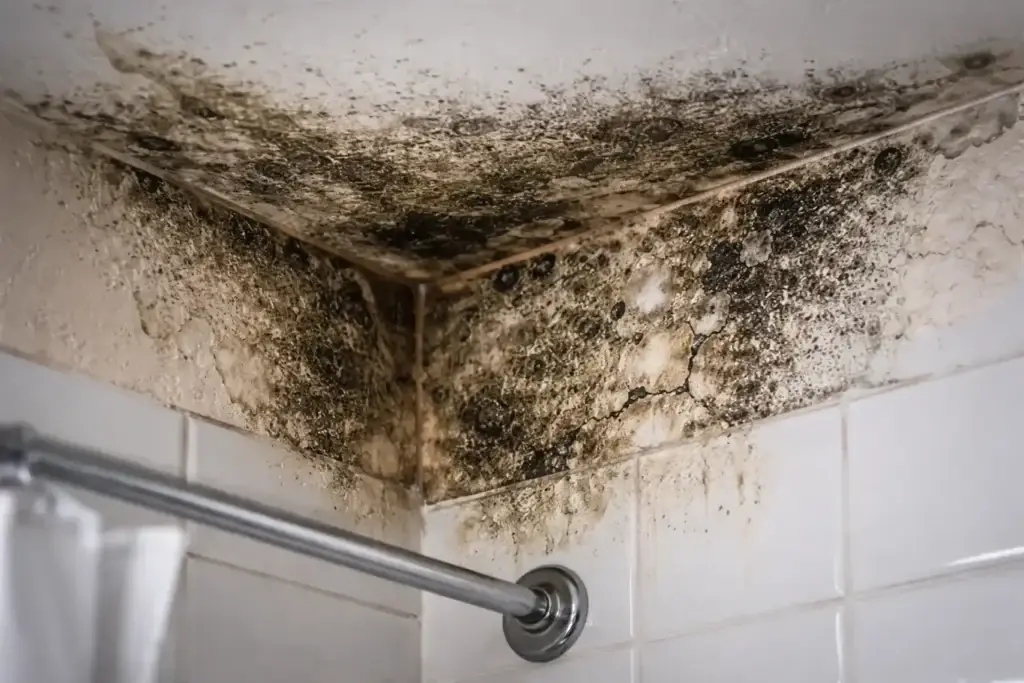
The speed of mold growth often surprises property owners. Under favorable conditions, mold colonies may begin forming within one to two days. Even areas that appear dry on the surface may still contain hidden moisture behind walls or beneath flooring.
The presence of mold can damage building materials, create unpleasant odors, and reduce indoor air quality. Some individuals may also experience allergic reactions or respiratory irritation when exposed to mold spores. This is why addressing water damage immediately is far more effective than waiting until visible mold appears.
Professional restoration focuses on removing moisture before mold has the opportunity to establish itself. Early action significantly reduces risks and helps preserve both the property’s structure and the health of its occupants.
How Water Damage Restoration Stops Moisture Problems
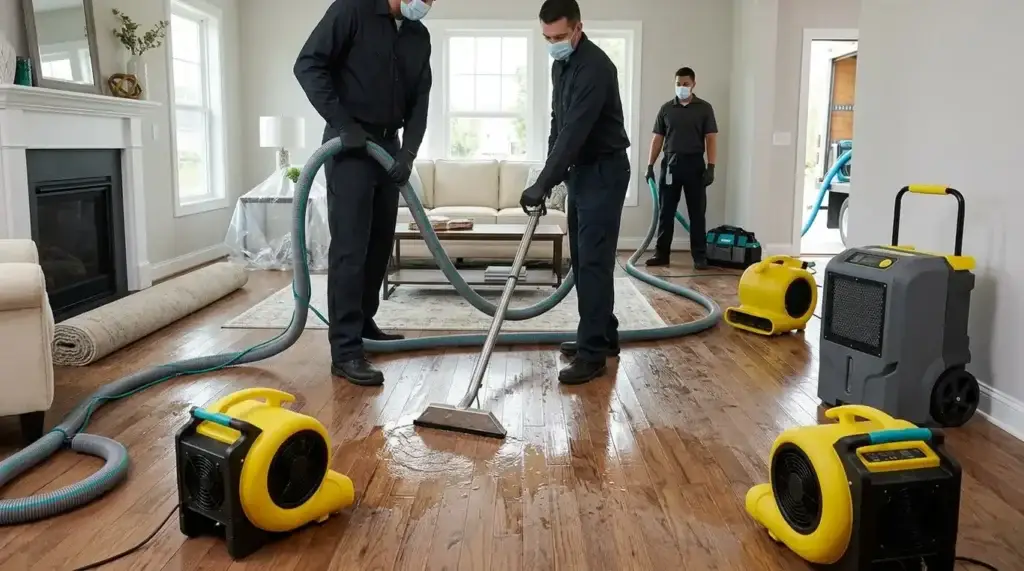
The primary goal of professional restoration is to eliminate moisture as quickly and thoroughly as possible. Standing water is extracted using specialized equipment before it has the opportunity to soak deeper into structural materials.
Industrial air movers and commercial-grade dehumidifiers are then used to dry affected areas. Unlike household fans, professional drying equipment is designed to remove moisture from walls, flooring, ceilings, and hidden cavities.
Technicians also use moisture meters and thermal imaging equipment to locate water that cannot be seen with the naked eye. Hidden moisture is one of the leading causes of future mold growth because property owners often assume everything has dried naturally.
A complete drying process ensures that moisture levels return to acceptable standards before reconstruction begins. By removing excess humidity and drying every affected material, restoration professionals greatly reduce the conditions mold requires to survive.
Why Quick Response Makes a Difference
Time is one of the most important factors after any water emergency. The longer moisture remains inside a building, the greater the chance that mold will develop and spread throughout the property.
Within the first few hours, water begins soaking into porous materials. After one or two days, mold spores may begin growing. After several days, structural deterioration, unpleasant odors, and microbial contamination become much more difficult to address.
Property owners who respond immediately often experience lower repair costs because fewer materials require replacement. Fast restoration can also reduce interruptions for businesses and minimize inconvenience for families.
Insurance companies also encourage prompt mitigation because delaying repairs may increase the extent of the damage. Acting quickly helps preserve valuable belongings while improving the likelihood of a successful restoration.
Early intervention consistently delivers better outcomes than waiting until visible signs of mold or severe damage appear.
Common Areas Where Hidden Mold Can Grow
Not all mold is immediately visible. In many cases, it develops inside areas that homeowners rarely inspect, making professional moisture detection especially valuable.
Behind drywall, beneath hardwood flooring, inside insulation, under carpeting, and above ceiling tiles are common locations where hidden moisture collects. Crawl spaces and basements are also particularly vulnerable because they often remain cool and humid.
Even if standing water has disappeared, trapped moisture can remain inside building materials for weeks if not professionally dried. Hidden mold may continue spreading unnoticed until odors or discoloration eventually appear.
Professionals inspect these concealed areas carefully using advanced moisture detection equipment. This thorough assessment allows technicians to identify potential problem areas before mold becomes widespread.
Addressing hidden moisture early protects structural components while reducing the likelihood of expensive remediation later.
The Importance of Professional Drying Equipment
Professional restoration companies use specialized equipment designed specifically for water emergencies. These tools remove moisture much faster and more effectively than standard household equipment.
Commercial dehumidifiers extract moisture directly from the air, while high-powered air movers increase evaporation from wet surfaces. Together, these systems create controlled drying conditions that significantly reduce restoration time.
Moisture monitoring equipment allows technicians to track drying progress throughout the process. Instead of relying on appearance alone, restoration professionals verify that materials have reached safe moisture levels before declaring the job complete.
Professional equipment is especially valuable after flooding or large-scale water losses where extensive structural drying is necessary. Proper drying minimizes the risk of mold while helping preserve flooring, walls, cabinetry, and other building materials.
Using the correct equipment ensures the restoration process addresses both visible water and hidden moisture that may otherwise remain trapped.
Can Every Mold Problem Be Prevented?
Although rapid restoration greatly lowers the risk of mold, no process can guarantee complete prevention in every situation. The outcome depends on several factors, including how long the water remained, the amount of moisture involved, and the materials affected.
If water damage goes unnoticed for several days or weeks, mold may already be present before restoration begins. In these situations, mold remediation may become necessary alongside water damage repairs.
Fortunately, most water losses addressed quickly can be dried before mold has sufficient time to develop extensively. Professional inspections help determine whether drying alone is adequate or if additional treatment is required.
The best strategy is always immediate action combined with a comprehensive drying process performed by trained restoration specialists.
Protecting Your Property After Restoration
Once restoration has been completed, ongoing maintenance helps reduce the risk of future water damage and mold growth. Regular inspections of plumbing systems, roofing, appliances, and gutters can identify small leaks before they become major problems.
Maintaining proper indoor humidity also plays an important role. Dehumidifiers may be beneficial in naturally humid areas such as basements or crawl spaces. Good ventilation in kitchens, bathrooms, and laundry rooms also helps control excess moisture.
Property owners should also respond quickly to any signs of leaks, condensation, or musty odors. Even small water problems can develop into larger restoration projects if ignored.
Routine maintenance combined with prompt repairs creates a healthier indoor environment while extending the life of building materials.
Choosing the Right Restoration Professionals
Selecting an experienced restoration company can significantly influence the outcome after water damage. Qualified professionals understand how moisture behaves inside different building materials and follow industry-recognized drying standards.
Look for companies that provide emergency response, advanced moisture detection, commercial drying equipment, and clear communication throughout the restoration process. Experienced technicians also document moisture readings and explain each stage of the restoration process.
Choosing professionals who prioritize thorough drying rather than simply removing visible water helps reduce the likelihood of hidden moisture remaining behind. Their expertise allows them to identify issues that property owners may overlook.
Working with a trusted restoration provider offers greater confidence that your home or business has been properly restored while minimizing future mold concerns.
Conclusion
Preventing mold begins with acting quickly after water damage occurs. Professional water damage restoration removes standing water, eliminates hidden moisture, and thoroughly dries affected materials before mold has the opportunity to spread. Fast response, advanced equipment, and experienced technicians all contribute to protecting your property from costly long-term damage. While no solution can eliminate every risk, prompt restoration significantly improves the chances of preventing mold growth and preserving your home’s structural integrity. If you need professional assistance, ServiceMaster Restoration Services proudly serves homeowners and businesses throughout Lisle with reliable restoration solutions. For immediate assistance or to schedule an inspection, contact ServiceMaster Restoration Services at +1 630-241-1111.
https://www.spreaker.com/episode/can-water-damage-restoration-prevent-mold-growth–73111238
https://www.podomatic.com/podcasts/ginawashingt90podcast/episodes/2026-07-22T10_14_44-07_00
https://stream.redcircle.com/episodes/71b681a8-9227-47f7-aab8-3500c2748b9f/stream.mp3