Initial Inspection and Damage Assessment
The first step in any restoration project is a detailed inspection of the affected property. Restoration professionals carefully evaluate the source of the water, the areas impacted, and the extent of the damage. This assessment helps determine the safest and most effective plan for cleanup and repairs.
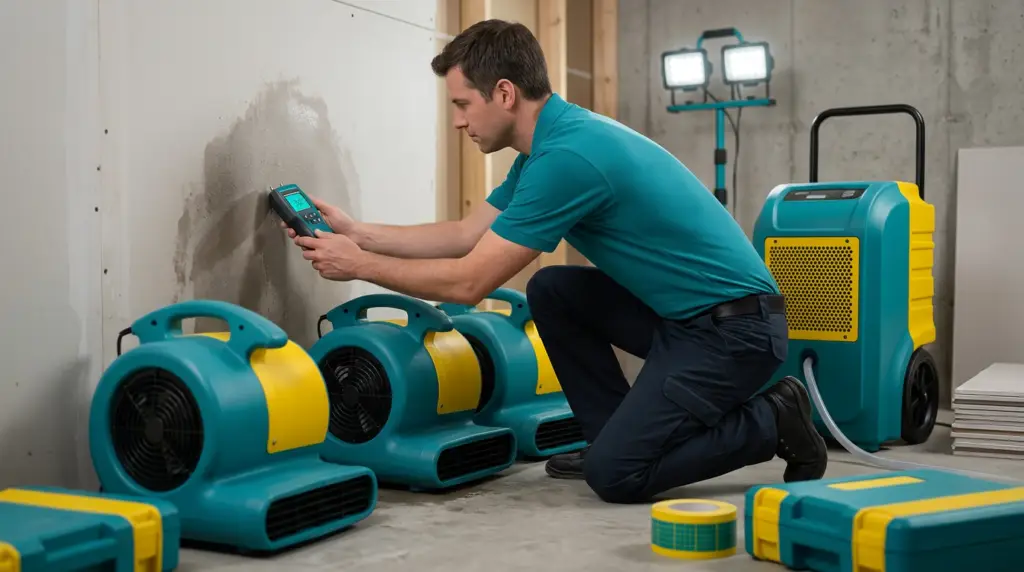
Technicians often use moisture meters, infrared cameras, and humidity sensors to detect water hidden behind walls, beneath flooring, and inside ceilings. Even when surfaces appear dry, moisture may remain trapped in building materials, creating conditions for mold growth.
During the inspection, the type of water is also identified. Clean water from a broken supply line requires a different approach than contaminated water from sewage backups or floodwaters. Proper classification helps ensure the restoration process follows health and safety guidelines.
A thorough assessment also provides homeowners with realistic expectations regarding the timeline, required equipment, and potential repairs. Accurate documentation is especially valuable for insurance claims because it records the condition of the property before restoration begins.
By investing time in a careful inspection, restoration professionals create a customized strategy that reduces unnecessary work while ensuring every affected area receives proper attention.
Stopping the Water Source
Before cleanup can begin, the source of the water intrusion must be identified and stopped. Continuing water flow will only increase damage, making restoration more difficult and expensive.
For plumbing failures, shutting off the main water supply is often the first priority. If severe weather or flooding caused the damage, professionals may recommend temporary protective measures such as tarping damaged roofs or boarding broken windows to prevent additional water from entering the property.
Addressing the source also involves identifying underlying issues that could cause future problems. A leaking appliance, damaged pipe, faulty roof flashing, or clogged drainage system should be repaired before restoration is completed.
Safety remains a major concern during this stage. Standing water near electrical outlets or appliances can create dangerous conditions. Professionals ensure utilities are safely managed before entering heavily affected areas.
Taking immediate action to stop the water source prevents additional structural deterioration and allows restoration work to proceed efficiently. It also helps reduce overall repair costs by limiting further damage.
Water Extraction and Removal
Removing standing water is one of the most critical stages of the restoration process. The longer water remains inside a building, the more it penetrates flooring, drywall, insulation, and structural framing.
Professional restoration companies use industrial-grade pumps and high-powered extraction equipment to remove large volumes of water quickly. Wet vacuums and specialized extraction tools help eliminate water trapped in carpets, hardwood flooring, and other porous materials.
Fast extraction helps reduce swelling, warping, and permanent structural damage. It also significantly lowers the risk of mold growth, which can begin within 24 to 48 hours under favorable conditions.
Technicians work systematically, ensuring all accessible standing water is removed before moving on to the drying phase. Hidden moisture is identified using specialized equipment to ensure no pockets of water remain unnoticed.
Effective extraction lays the foundation for successful restoration. Without complete water removal, later drying efforts become less effective, increasing the chances of future problems.
Drying and Dehumidification
After standing water has been removed, moisture still remains inside building materials. Drying and dehumidification eliminate this hidden moisture to prevent long-term structural issues.
Industrial air movers increase airflow across wet surfaces, encouraging moisture to evaporate. Commercial dehumidifiers then remove excess humidity from the air, accelerating the drying process while preventing condensation.
Professionals carefully monitor moisture levels throughout the project. Daily readings help determine whether materials are drying properly or if additional equipment is needed. This scientific approach helps avoid both under-drying and unnecessary demolition.
Some materials, such as drywall, insulation, and carpeting, require longer drying periods than others. Restoration specialists adjust equipment placement as conditions improve to maximize efficiency.
Successful drying restores safe indoor humidity levels while protecting structural integrity. Proper moisture control also reduces the likelihood of lingering odors and future mold development.
Cleaning and Sanitizing Affected Areas
Once the structure is completely dry, attention turns to cleaning and sanitizing the affected spaces. Water damage often leaves behind dirt, bacteria, and unpleasant odors that require professional treatment.
Surfaces are cleaned using specialized antimicrobial products designed to eliminate bacteria and reduce the risk of microbial growth. Furniture, flooring, walls, and personal belongings are carefully evaluated to determine whether they can be restored or require replacement.
Odor removal may involve air scrubbers, hydroxyl generators, or other deodorization methods that eliminate smells instead of simply masking them. This step is especially important after flood damage or sewage-related incidents.
Technicians also inspect HVAC systems if they were exposed to water, ensuring contaminants are not circulated throughout the property.
Repairing and Restoring Damaged Materials
After cleanup is complete, restoration moves into the repair phase. Depending on the severity of the damage, repairs may range from replacing sections of drywall to rebuilding entire rooms.
Minor projects might include repainting walls, reinstalling trim, replacing flooring, or repairing damaged ceilings. More extensive losses could require structural carpentry, electrical work, insulation replacement, or roofing repairs.
Restoration professionals strive to preserve as much of the original structure as possible. Salvaging materials when appropriate helps reduce costs while maintaining the property’s appearance.
Repairs are performed according to local building codes and industry standards, ensuring long-lasting results. Throughout the project, contractors coordinate various trades to complete the work efficiently.
Preventing Mold Growth Throughout the Process
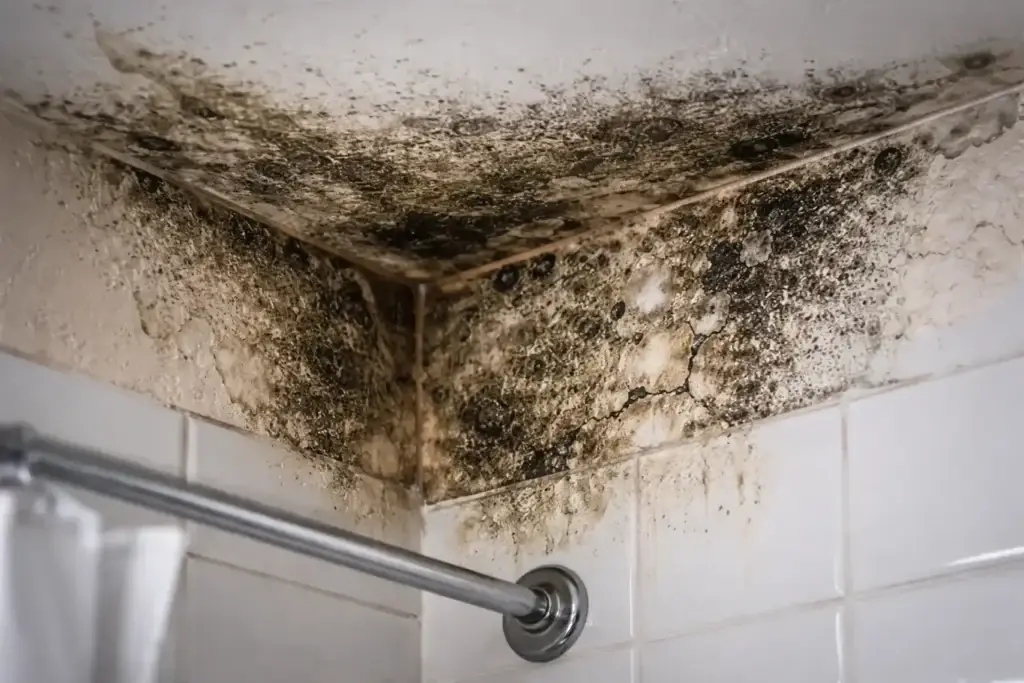
One of the biggest concerns following water damage is mold development. Because mold can begin growing within days, prevention is integrated into every stage of restoration.
Technicians quickly remove water, dry building materials, and monitor moisture levels to eliminate the conditions mold needs to grow. Antimicrobial treatments may be applied to vulnerable surfaces when appropriate.
Areas with prolonged moisture exposure receive extra attention during inspections. Hidden spaces such as wall cavities, crawl spaces, and attics are checked carefully because mold often develops where it cannot be easily seen.
Property owners also play a role in prevention by reporting leaks promptly and maintaining proper indoor ventilation after restoration is complete.
Working with Insurance During Restoration
Insurance claims can feel overwhelming after water damage, but restoration professionals often assist throughout the process. Proper documentation helps streamline communication with insurance providers.
Technicians photograph damaged areas, record moisture readings, and prepare detailed reports outlining the extent of the loss. These records support claim accuracy and reduce misunderstandings during the adjustment process.
Property owners should contact their insurance company as soon as damage occurs and keep copies of receipts, invoices, and correspondence. Restoration contractors may communicate directly with adjusters to explain required repairs and restoration procedures.
Understanding policy coverage is equally important. Some policies cover sudden water damage but exclude gradual leaks or flood-related losses unless additional coverage has been purchased.
Why Hiring Professional Restoration Experts Matters
Although minor spills can often be cleaned without assistance, significant water damage requires specialized knowledge and equipment. Professional restoration companies understand how moisture behaves inside buildings and know how to prevent hidden damage from becoming major problems.
Experienced technicians use advanced drying technology, moisture detection equipment, and industry-approved restoration procedures that are difficult to duplicate with household tools. Their expertise helps protect structural materials while reducing restoration time.
Professionals also prioritize safety when dealing with contaminated water, electrical hazards, and potential mold growth. Their training ensures every stage of the project is completed according to recognized standards.
Conclusion
Understanding the complete restoration process makes it easier to respond quickly when water damage occurs. From inspection and water extraction to drying, cleaning, repairs, and mold prevention, every step contributes to restoring your property safely and efficiently. Acting promptly can significantly reduce repair costs and help prevent long-term structural issues.
If you need dependable water damage restoration, trust ServiceMaster Restoration Services to provide professional assistance throughout every stage of the recovery process. Serving property owners in Lisle, their experienced team is committed to restoring homes and businesses with care, efficiency, and attention to detail. For immediate assistance or to schedule an inspection, contact ServiceMaster Restoration Services today at +1 630-241-1111.
https://www.podomatic.com/podcasts/celestinaheavenly9podcast/episodes/2026-08-26T05_15_33-07_00
https://stream.redcircle.com/episodes/0e665a16-d0f7-4a18-b3a0-a3284d6c15c5/stream.mp3