Understanding What Water Damage Insurance Typically Covers
Homeowners insurance is designed to protect against sudden and accidental events. If water damage occurs because of an unexpected incident, your insurance policy will often help pay for repairs and restoration. Examples include a burst plumbing pipe, an overflowing washing machine, or water released from a malfunctioning water heater.
Insurance providers generally distinguish between sudden damage and gradual deterioration. If the problem develops slowly over weeks or months due to poor maintenance, many policies consider it preventable and may deny the claim. This is why routine inspections and timely repairs are essential for homeowners.
Coverage also depends on the specific language within your insurance policy. Some policies include replacement costs, while others reimburse only the actual cash value after depreciation. Reading your policy carefully helps you understand what expenses may be covered before an emergency happens.
If your claim is approved, coverage may include water extraction, structural drying, damaged flooring, drywall replacement, mold prevention, and repairs necessary to return the property to its original condition. Knowing these details allows homeowners to make informed decisions when hiring restoration professionals after water damage occurs.
Common Causes of Water Damage That Insurance May Cover
Insurance companies usually cover water damage caused by sudden and accidental events rather than predictable maintenance issues. One of the most common covered situations is a burst pipe during freezing weather. Because this occurs unexpectedly, insurers often recognize it as a covered event if the homeowner maintained the plumbing properly.
Appliance failures also commonly qualify for coverage. Washing machines, dishwashers, refrigerators, and water heaters can unexpectedly leak significant amounts of water, damaging floors, walls, and nearby belongings. If the equipment suddenly fails rather than deteriorating over time, insurance often assists with repairs.
Roof damage from severe storms may also be covered when rainwater enters through storm-created openings. Likewise, overflowing plumbing fixtures caused by accidental blockages may qualify depending on the circumstances.
However, every insurance company evaluates claims individually. Documentation of the incident, photographs, repair estimates, and evidence of prompt action can all influence the outcome. Reporting the damage immediately and beginning cleanup quickly can help reduce additional losses while strengthening your insurance claim.
Water Damage Situations That Insurance Often Excludes
Although homeowners insurance offers valuable protection, not every water-related problem qualifies for reimbursement. One of the most common exclusions involves gradual leaks. Slow plumbing drips behind walls or under sinks often cause extensive deterioration before homeowners notice them. Since these problems typically result from ongoing maintenance issues, insurers frequently deny coverage.
Flooding from heavy rainfall, overflowing rivers, or storm surge is another major exclusion under standard homeowners insurance. Separate flood insurance is usually required for these types of disasters. Homeowners living in flood-prone areas should consider purchasing additional protection before severe weather occurs.
Sewer backups may also require separate endorsements depending on the insurance company. Without additional coverage, restoration expenses following sewage backups can become the homeowner’s responsibility.
Insurance companies also expect homeowners to maintain their property. Neglected roofing, broken plumbing left unrepaired, or repeated water intrusion may result in denied claims. Regular inspections, preventive maintenance, and prompt repairs reduce both the risk of damage and the likelihood of claim disputes.
How the Insurance Claims Process Works
Understanding the insurance claims process helps reduce stress during an already difficult situation. The first step is stopping the water source if possible. Whether it’s shutting off the home’s water supply or preventing additional rain from entering, limiting further damage protects both your property and your insurance claim.
After ensuring everyone’s safety, contact your insurance company immediately. Most insurers require prompt notification and will provide instructions for documenting the damage. Taking clear photographs and videos before cleanup begins creates valuable evidence.
Many insurance companies assign an adjuster to inspect the property. The adjuster evaluates the cause of the damage, estimates repair costs, and determines whether the event falls within your policy coverage.
Professional restoration companies often assist homeowners by documenting moisture levels, preparing detailed reports, and communicating directly with insurance adjusters. Their expertise helps ensure damage is properly identified and restoration begins quickly. Once the claim receives approval, repairs can move forward according to the insurer’s settlement process.
Why Immediate Restoration Is So Important
Time plays a major role in minimizing water damage. Even clean water can begin damaging drywall, flooring, insulation, furniture, and structural components within hours. As moisture spreads, repairs become more extensive and expensive.
One of the greatest concerns is mold growth. Under favorable conditions, mold can begin developing within 24 to 48 hours after water exposure. Mold remediation significantly increases restoration costs and may complicate insurance claims if delayed cleanup contributed to the problem.
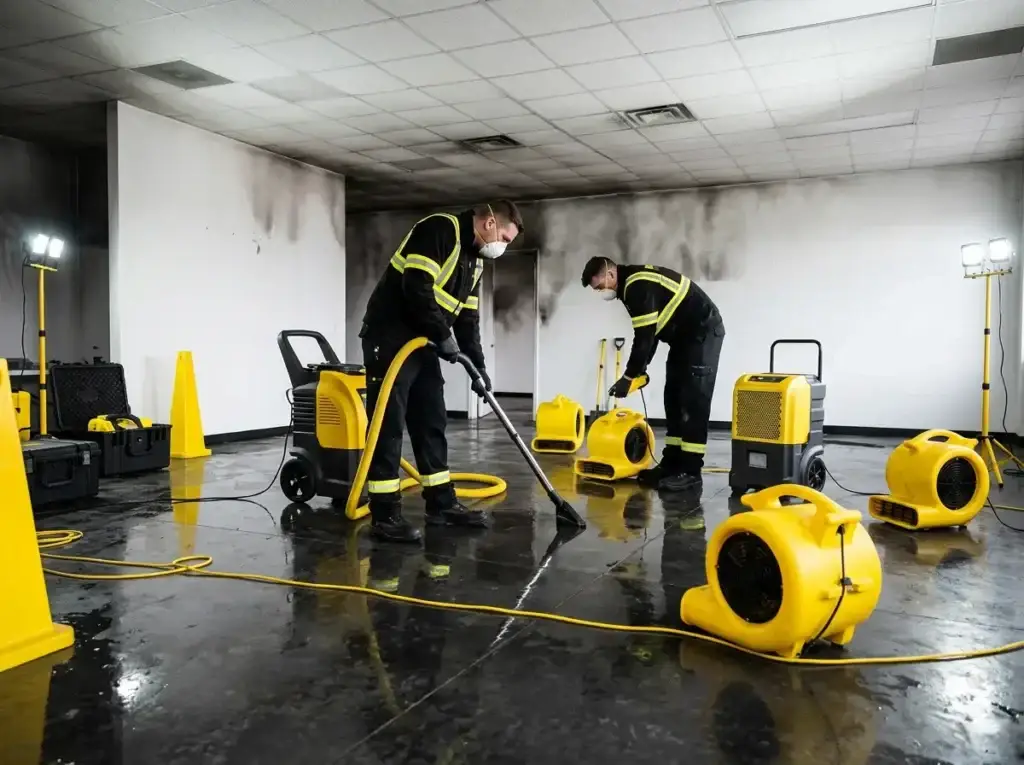
Professional restoration teams use specialized equipment including industrial air movers, dehumidifiers, moisture meters, and thermal imaging devices to identify hidden moisture. Thorough drying prevents long-term structural issues while protecting indoor air quality.
Quick action also demonstrates responsible property ownership. Insurance companies often expect homeowners to take reasonable steps to prevent additional damage after discovering water intrusion. Prompt restoration helps preserve evidence, reduces repair costs, and improves the likelihood of a smoother claims process.
The Role of Professional Water Damage Restoration Companies
Professional restoration companies provide far more than basic cleanup services. Their primary goal is returning the property to a safe, dry, and healthy condition while minimizing permanent damage.
Certified technicians begin by assessing the extent of water intrusion using advanced moisture detection equipment. Standing water is removed with high-capacity extraction systems before industrial drying equipment eliminates remaining moisture hidden within walls, flooring, and structural materials.
Professionals also sanitize affected areas, remove contaminated materials when necessary, and monitor moisture levels throughout the drying process. Detailed documentation supports both quality control and insurance claims by recording every stage of the restoration project.
Experienced restoration companies understand insurance requirements and frequently communicate directly with adjusters. This coordination often simplifies paperwork and helps homeowners avoid unnecessary delays. Choosing qualified restoration specialists ensures repairs follow industry standards while reducing the risk of recurring moisture problems or hidden structural damage.
Tips for Maximizing Your Insurance Claim
Preparing a successful insurance claim starts before damage even occurs. Homeowners should keep copies of their insurance policy, maintain records of valuable belongings, and perform regular home maintenance throughout the year.
When water damage happens, document everything immediately. Take photographs from multiple angles, record videos, and keep receipts for emergency expenses. Avoid discarding damaged materials until your insurance company authorizes removal whenever possible.
Maintain detailed communication records with your insurance provider, including claim numbers, adjuster contact information, and written correspondence. Organized documentation can help resolve questions quickly.
Hiring experienced restoration professionals also strengthens the claims process because they provide accurate moisture readings, repair estimates, and restoration reports. Their documentation helps demonstrate the full extent of the damage while supporting necessary repairs. Remaining proactive and organized often results in a smoother experience from initial claim submission through final settlement.
How to Prevent Future Water Damage
While insurance provides financial protection, prevention remains the most effective way to reduce risk. Regular home maintenance helps identify small issues before they become major restoration projects.
Inspect plumbing fixtures, appliance hoses, roofing materials, gutters, and basement areas several times each year. Replace aging supply lines before they fail and repair minor leaks promptly. Keeping gutters clean allows rainwater to drain away from the home’s foundation, reducing water intrusion.
Installing water leak detection devices and automatic shutoff valves provides additional protection. These systems can alert homeowners to hidden leaks or automatically stop the water supply before significant damage develops.
Conclusion
Whether insurance covers water damage restoration depends largely on the source of the water, the terms of your policy, and how quickly you respond. Sudden and accidental damage is often covered, while gradual leaks, flooding, and neglected maintenance may not be. Understanding your policy, documenting damage thoroughly, and acting immediately can make the claims process much smoother while reducing repair costs.
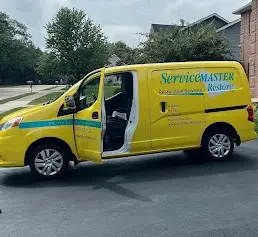
If your property has experienced water damage, trust ServiceMaster Restoration Services to provide fast, professional restoration solutions. Serving homeowners and businesses throughout Lisle, their experienced team can help restore your property efficiently while working with your insurance provider whenever possible. To schedule an inspection or request emergency assistance, call +1 630-241-1111 today.
https://www.spreaker.com/episode/is-water-damage-restoration-covered-by-insurance–74696801
https://www.podomatic.com/podcasts/celestinaheavenly9podcast/episodes/2026-08-26T05_11_00-07_00
https://stream.redcircle.com/episodes/e7d23674-f3b9-422e-bad6-942197f377f5/stream.mp3