Why Is Some Water Damage More Dangerous?
The main factor is where the water came from and what it has contacted. A leaking clean-water pipe typically presents fewer health risks than water from a sewer backup, toilet overflow, or outdoor flooding.
Time also matters. Water that remains inside a property can soak into drywall, wood, carpeting, and insulation. These materials may become damaged and create conditions that support mold growth.
Hidden moisture is another concern. Water can travel beneath floors, behind walls, and into cabinets where it may continue causing damage even after visible puddles disappear.
Professional assessment can identify areas that need extraction, drying, cleaning, or removal. Acting quickly is especially important when contaminated water is involved.
Category 1: Clean Water Damage
Clean water generally comes from sources without significant contamination, such as broken supply pipes, overflowing sinks, or certain appliance leaks. It is usually considered the least hazardous category.
However, clean water can still cause substantial property damage. Porous materials can absorb moisture quickly, causing flooring to warp, drywall to soften, and wood to swell.
If the water remains for an extended period, its risk can increase. Moist environments may encourage microbial growth and create unpleasant odors.
Homeowners should also consider where the water has traveled. Clean water can become contaminated after contacting sewage, chemicals, dirt, or other hazardous materials.
Prompt drying is therefore important even when the original source appears harmless. A professional inspection can determine whether affected materials can be dried and restored or need to be removed.

Category 2: Gray Water Damage
Gray water contains contaminants and may pose health concerns if people come into contact with it. Common sources can include washing machine discharge, dishwasher leaks, and some bathtub or toilet overflows.
Gray water may contain detergents, cleaning products, food particles, microorganisms, or other substances. Its contamination level can also increase the longer it sits.
Avoid unnecessary contact with gray water, especially if you have cuts or open wounds. Children and pets should also be kept away from affected areas.
Gray water can soak into flooring, drywall, cabinets, and other porous materials. These surfaces may require specialized cleaning and thorough drying.
If the affected area is extensive, professional water damage restoration can help safely remove the water, clean contaminated surfaces, and identify materials that may need replacement.
Category 3: Black Water Damage
Black water is generally considered the most dangerous category because it can contain serious biological or chemical contaminants. Sources may include sewage backups, outside flooding, and water containing human or animal waste.
This water should never be treated like an ordinary household leak. Exposure may involve bacteria, viruses, parasites, and other harmful substances.
People and pets should stay away from contaminated areas. Attempting to clean significant black water damage without appropriate protective equipment can increase health risks.
Porous materials exposed to heavily contaminated water may need to be discarded because simply drying them may not eliminate contamination.
Professional water damage restoration is strongly recommended for black water incidents. Specialists can assess the affected area, remove contaminated materials, clean surfaces, and properly dry the structure.
Why Is Sewage Water Especially Dangerous?
Sewage backups are among the most hazardous forms of water damage. Sewage can contain bacteria, viruses, parasites, and other contaminants that can spread throughout a property.
The danger is not limited to direct contact. Sewage water can soak into carpeting, drywall, furniture, and other porous materials, making cleanup more complicated.
Electrical hazards may also be present if contaminated water reaches outlets, appliances, wiring, or other electrical components. Avoid entering unsafe areas or operating electrical equipment near standing water.
Keep children and pets away from sewage-contaminated spaces. Professional cleanup may be necessary to determine which materials can be safely restored and which need removal.
Why Is Floodwater Dangerous?
Floodwater can contain contaminants picked up from soil, streets, sewage systems, chemicals, debris, and other sources. Because its contents are often unknown, floodwater should be treated cautiously.
Even water that looks clean may contain harmful microorganisms or chemicals. Flooding can also hide sharp objects, damaged materials, pests, and electrical hazards.
Water can spread quickly through flooring, walls, insulation, and furniture. Once absorbed into porous materials, contamination can become much more difficult to remove.
Avoid unnecessary contact with floodwater and keep children and pets away. If electrical systems have been exposed, do not operate them until they have been inspected by a qualified professional.
Because flooding can involve both contamination and structural damage, professional assessment is often the safest approach.
Can Water Damage Cause Mold?
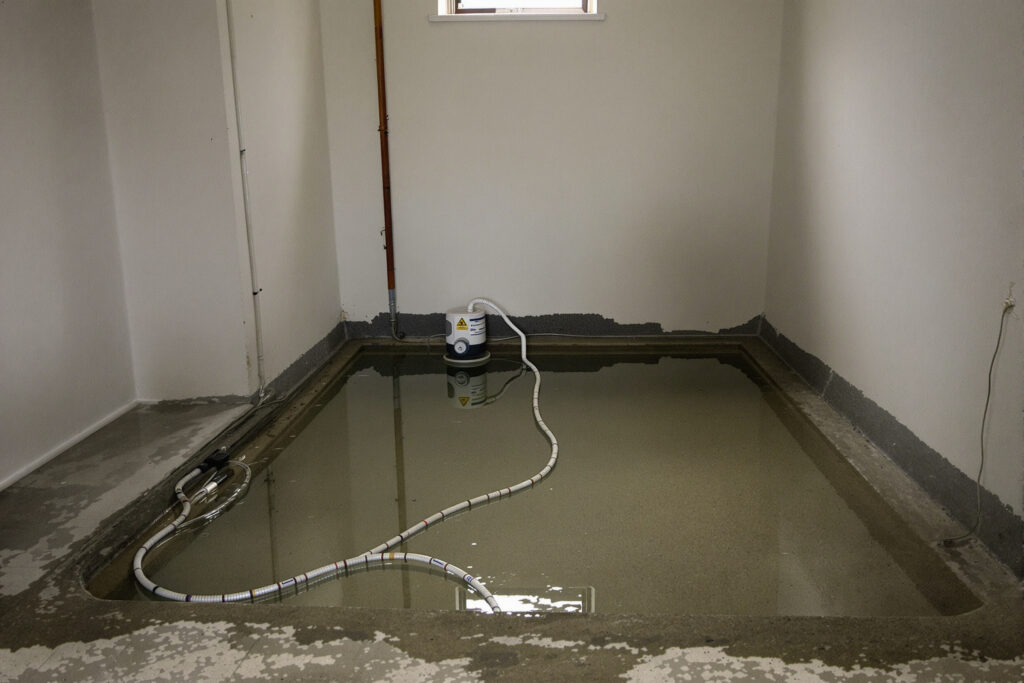
Yes. Mold can develop when moisture remains in a building for too long. It may grow on drywall, wood, carpeting, insulation, and other damp materials.
Mold can sometimes develop in hidden areas, including behind walls and beneath flooring. Musty odors, visible discoloration, and recurring dampness can indicate a possible problem.
Simply wiping up visible water may not be enough if moisture has entered the structure. The source must be addressed, and affected areas need to be thoroughly dried.
Prompt cleanup can reduce the opportunity for mold and other secondary problems to develop. If hidden moisture is suspected, professional moisture detection can help identify affected areas.
Can Water Damage Affect the Structure?
Water can weaken or damage building materials when exposure continues. Drywall may become soft, wood can swell, and flooring may buckle or separate.
Ceiling damage can be particularly concerning. Sagging or bulging drywall may indicate water accumulation overhead, creating a potential falling-material hazard.
Doors and windows can also become difficult to operate when surrounding materials absorb moisture. These signs may indicate that the damage extends beyond what is immediately visible.
A professional inspection can help determine whether structural components have been affected. Addressing moisture early can reduce the likelihood of more extensive repairs.
When Should You Call a Professional?
Professional help is recommended when water is contaminated, affects a large area, enters walls or ceilings, or cannot be completely removed using household equipment.
Sewage backups and flooding deserve prompt attention because of their potential health hazards. You should also seek help when the source of the water has not been fully corrected.
Persistent odors, stained ceilings, soft drywall, buckling floors, and unexplained dampness may indicate hidden moisture.
Professional water damage restoration addresses more than visible standing water. The process can include moisture detection, extraction, drying, cleaning, and removal of materials that cannot be safely restored.
Conclusion
The most dangerous types of water damage generally include sewage, floodwater, and black water because they can contain harmful contaminants. However, clean and gray water can also cause serious problems when left untreated. Prolonged moisture can contribute to mold growth, structural deterioration, odors, and electrical hazards.
Responding quickly is one of the best ways to limit damage and protect your property. If your home or business has experienced flooding, sewage contamination, or significant moisture, ServiceMaster Restoration Services in Lisle, IL can help assess the situation and determine the appropriate next steps. Call +1 630-241-1111 for assistance.