Water damage restoration is one of the most critical services homeowners and business owners may ever need after leaks, floods, or plumbing failures. When water enters a property, it can quickly affect floors, walls, furniture, and even the structural integrity of the building. Water damage restoration focuses on removing water, drying affected areas, and restoring the property to a safe and livable condition. This topic matters because even small amounts of water left untreated can lead to long term issues like mold growth, wood rot, and weakened foundations. Understanding whether all water damage can be fixed helps property owners make informed decisions during emergencies and avoid costly mistakes.
In most cases, damage can be reversed if addressed quickly, but delays often change the outcome. This article explains the conditions that determine whether full restoration is possible and what factors influence recovery.
What Causes Water Damage in Homes and Buildings
Water damage often starts from common household or environmental issues. These include burst pipes, leaking roofs, overflowing appliances, sewage backups, and heavy rainfall. Even small leaks can slowly build up damage behind walls or under flooring without being noticed. Over time, moisture spreads and affects materials that are not designed to hold water.
In many situations, water damage restoration becomes necessary when the source is not immediately detected. The longer water sits, the more it penetrates porous materials like drywall, wood, and insulation. This leads to swelling, warping, and decay that cannot always be reversed.
Understanding the source of water intrusion is essential because it determines how severe the damage will become. Clean water from a pipe leak is easier to manage compared to contaminated water from flooding or sewage. Identifying the cause early improves the chances of full recovery and reduces long term repair costs significantly.
Different Types of Water Damage and Their Impact
Not all water damage behaves the same way. Professionals often classify it into three categories: clean water, gray water, and black water. Clean water comes from safe sources like supply lines or rainwater. Gray water includes slightly contaminated sources such as washing machines or dishwashers. Black water is highly dangerous and may come from sewage or floodwater.
The type of water involved directly affects whether water damage restoration can fully return a property to its original condition. Clean water damage is usually easier to fix if addressed quickly. However, gray and black water often require removal of materials that have absorbed contaminants.
Porous materials such as carpets, drywall, and insulation may need to be discarded if exposed to unsafe water. In contrast, hard surfaces like tile or metal can often be cleaned and restored. The classification helps restoration experts determine safety risks and appropriate cleaning methods.
The more contaminated the water, the lower the chance of full recovery without replacing affected materials.
How Professionals Assess Water Damage Severity
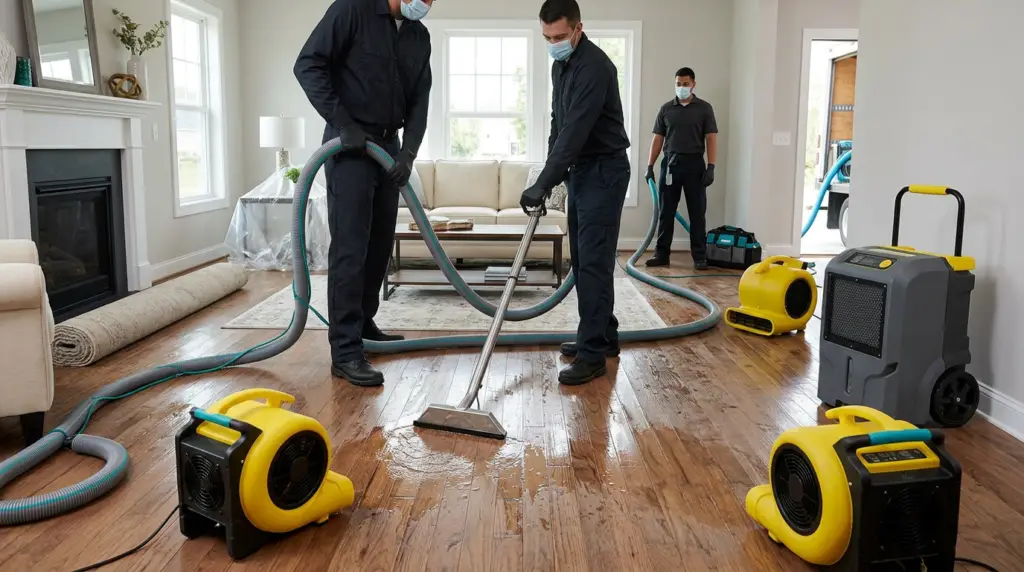
Before starting repairs, experts conduct a detailed inspection to evaluate the extent of the damage. This includes identifying moisture levels in walls, floors, and structural components using specialized equipment. Thermal imaging cameras and moisture meters help detect hidden water that is not visible on the surface.
During water damage restoration, professionals also assess how long the water has been present. Time is one of the most important factors because prolonged exposure increases the likelihood of irreversible damage. Materials like drywall and wood become weaker as they absorb moisture over time.
The assessment also includes checking for mold growth, which can begin within 24 to 48 hours. If mold is present, additional steps are required to ensure safety and prevent further spread.
This evaluation process determines whether materials can be dried and restored or must be replaced. A proper assessment ensures that no hidden damage is left untreated, which helps prevent future structural problems.
Structural Damage and Whether It Can Be Repaired
One of the biggest concerns after water exposure is structural damage. This includes weakening of wood beams, drywall collapse, and foundation issues. In many cases, light to moderate structural damage can be repaired if treated quickly.
Water damage restoration professionals often dry and reinforce affected structures to restore stability. However, if water has compromised the integrity of load bearing components, replacement may be necessary.
Wood is especially vulnerable because it absorbs moisture and begins to rot over time. Once decay begins, the affected sections often cannot be restored to their original strength. Drywall, on the other hand, can sometimes be replaced in sections depending on the level of saturation.
The key factor is how long the structure remained wet. Short exposure often allows for successful repair, while prolonged exposure increases the need for reconstruction. Early intervention significantly improves the chances of saving structural elements.
Health Risks Associated with Untreated Water Damage
Water damage does not only affect buildings, it also impacts health. Standing water and damp environments create ideal conditions for mold growth, bacteria, and allergens. These can lead to respiratory problems, skin irritation, and other health issues.
Water damage restoration plays a vital role in preventing these risks by removing moisture and disinfecting affected areas. Mold is especially dangerous because it spreads quickly and can remain hidden inside walls or flooring.
Contaminated water from sewage or flooding poses even greater risks, introducing harmful pathogens into the environment. Exposure can lead to serious illnesses if not properly handled.
Even after visible water is removed, hidden moisture can continue to support microbial growth. This is why professional drying and sanitation are essential. Without proper treatment, health risks can persist long after the initial water event has ended.
The Full Water Damage Restoration Process Explained
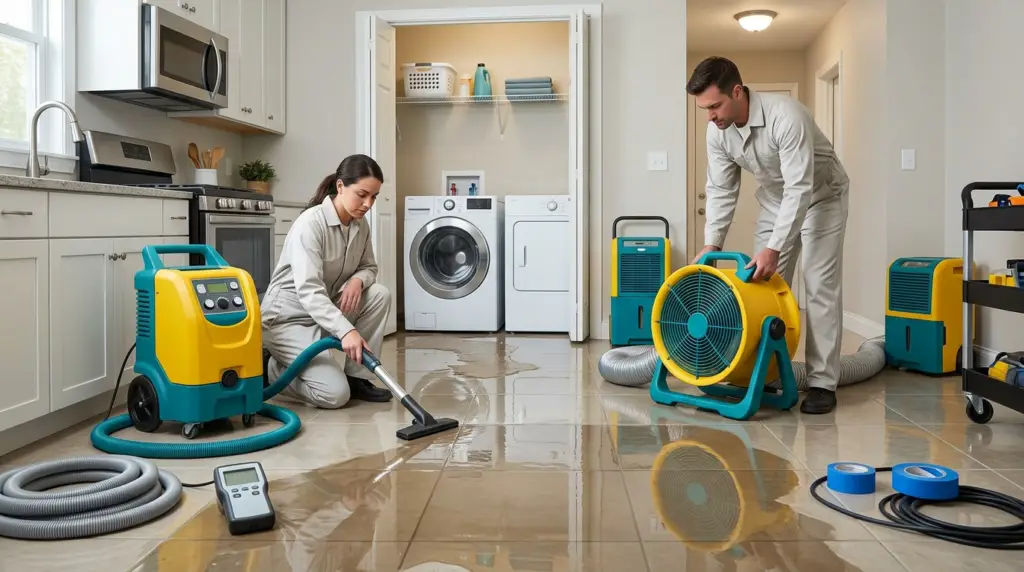
The restoration process involves several stages designed to fully recover a property. It begins with water removal using pumps and vacuums to eliminate standing water. After that, industrial drying equipment is used to remove moisture from walls, floors, and furniture.
During water damage restoration, technicians monitor humidity levels to ensure complete drying. Once the area is dry, cleaning and sanitization are performed to remove contaminants and prevent mold growth.
The final stage involves repairing or replacing damaged materials. This may include drywall, flooring, insulation, and structural components depending on severity.
Each step is important because skipping one can lead to long term issues. Proper execution ensures that the property is safe, structurally sound, and restored as close as possible to its original condition.
DIY Repairs vs Professional Restoration Services
Some minor water issues can be handled by homeowners, such as small spills or limited leaks. However, larger incidents require professional expertise. Water damage restoration involves specialized tools and knowledge that go beyond basic cleanup methods.
DIY approaches often fail to detect hidden moisture, which can lead to mold growth or structural damage later. Professionals use advanced equipment to ensure thorough drying and accurate assessment.
In severe cases, attempting repairs without proper experience can make the situation worse. For example, improper drying techniques may trap moisture inside walls, increasing long term damage.
While DIY cleanup may seem cost effective initially, professional restoration often prevents higher expenses in the future by addressing the root cause of the damage.
Preventing Future Water Damage in Your Property
Prevention is always more cost effective than repair. Regular maintenance of plumbing systems, roofs, and drainage areas can significantly reduce the risk of water damage. Inspecting appliances and sealing potential leak points also helps protect your property.
Installing water detection devices can provide early warnings before damage becomes severe. Proper landscaping and gutter maintenance help redirect water away from the building foundation.
Water damage restoration experts often recommend routine inspections, especially in older properties. Being proactive reduces the likelihood of unexpected flooding or leaks.
Simple preventive steps can save thousands of dollars in repairs and reduce the stress of dealing with emergency water situations.
When Water Damage Cannot Be Fully Reversed
While many cases can be repaired, there are situations where complete restoration is not possible. Severe structural decay, long term mold infestation, and contaminated materials often require full replacement.
If water damage is left untreated for too long, materials may lose their structural integrity beyond repair. In these cases, rebuilding sections of the property becomes necessary.
However, even when full restoration is not possible, professionals can still stabilize the property and prevent further deterioration. The goal is always to recover as much as possible while ensuring safety.
Understanding these limits helps property owners set realistic expectations during recovery.
Conclusion
Not all water damage can be reversed, but many situations can be successfully restored when addressed quickly and professionally. The outcome depends on factors such as water type, exposure time, and material condition. Acting early significantly increases the chances of full recovery and reduces long term costs.
Water damage restoration is a crucial process that helps protect both property and health by removing moisture, preventing mold, and restoring structural integrity. For expert assistance, contact ServiceMaster Restoration Services in Lisle at +1 630-241-1111. Their professional team ensures reliable assessment, cleanup, and restoration to bring your property back to a safe and livable condition.
https://arleneshaw1973.podbean.com/e/can-all-water-damage-be-fixed
https://www.podomatic.com/podcasts/arleneshaw1973podcast/episodes/2026-05-25T06_43_59-07_00
https://stream.redcircle.com/episodes/a8a87aab-a2fb-491c-83c2-1c75e28b37b4/stream.mp3