Water damage restoration is a critical service that helps homeowners and businesses recover after unexpected water-related disasters. Whether it comes from a slow leak or a sudden flood, water damage can quickly escalate into costly repairs and long-term structural issues. Understanding the most common causes of water damage is essential for prevention and early action.
Many people assume major storms are the leading culprit, but everyday issues inside the home are often to blame. From plumbing failures to appliance malfunctions, small problems can turn into significant damage if left unaddressed. Knowing what to watch for not only protects your property but also reduces the need for extensive water damage restoration. This guide explores the most frequent causes and how they impact your home or business.
Plumbing System Failures
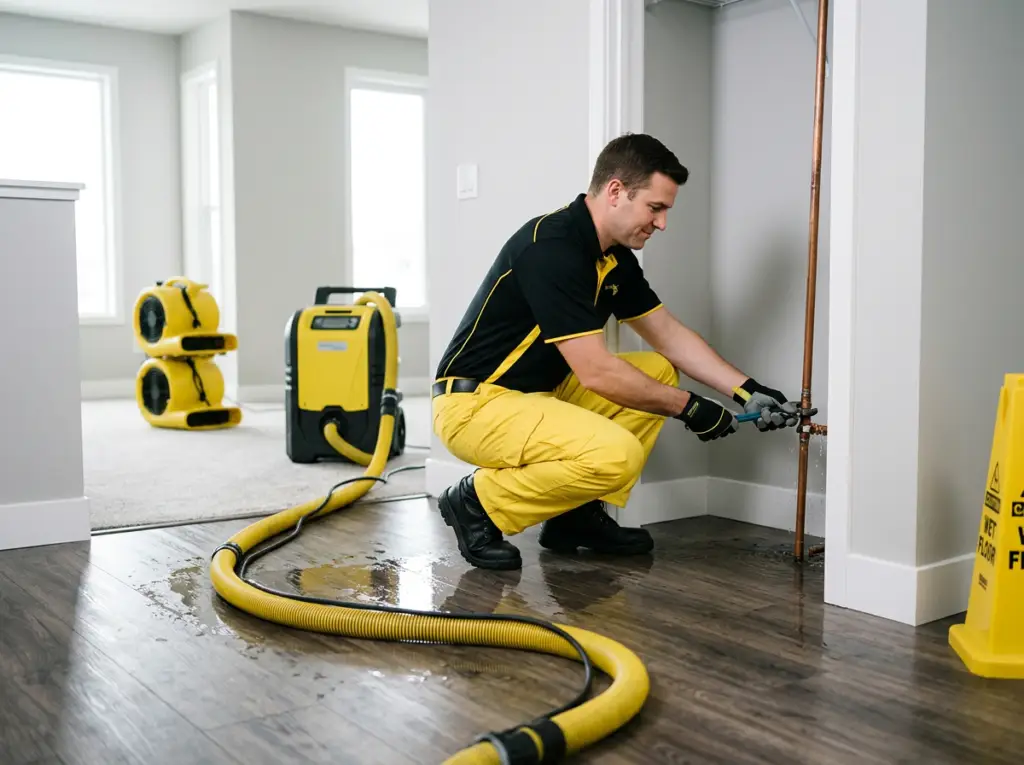
Plumbing issues are widely considered the most common cause of water damage in residential and commercial properties. Pipes run throughout walls, ceilings, and floors, making them vulnerable to wear and tear over time. Even a small crack or loose connection can release a steady flow of water that goes unnoticed until damage becomes severe.
Older homes are especially at risk due to aging pipes that corrode or weaken. Changes in water pressure can also strain plumbing systems, leading to sudden bursts. When pipes fail, water spreads quickly, soaking into drywall, insulation, and flooring.
Routine maintenance plays a crucial role in prevention. Inspecting visible pipes, checking for leaks, and replacing outdated materials can significantly reduce risk. Ignoring minor drips often leads to larger problems that require professional water damage restoration to fully repair the affected areas.
Leaking or Damaged Roofs
A compromised roof is another leading source of water damage. Roofs are constantly exposed to harsh weather conditions, including rain, wind, and heat. Over time, shingles can loosen, crack, or go missing, creating openings for water to seep inside.
Leaks often begin subtly, appearing as small stains on ceilings or walls. However, once water penetrates the roof, it can spread into insulation and structural components. This hidden moisture promotes mold growth and weakens the building’s integrity.
Regular roof inspections are essential for catching issues early. Cleaning gutters and ensuring proper drainage also help prevent water buildup. Addressing roof damage promptly minimizes the need for extensive water damage restoration and protects the overall structure of the property.
Faulty Appliances
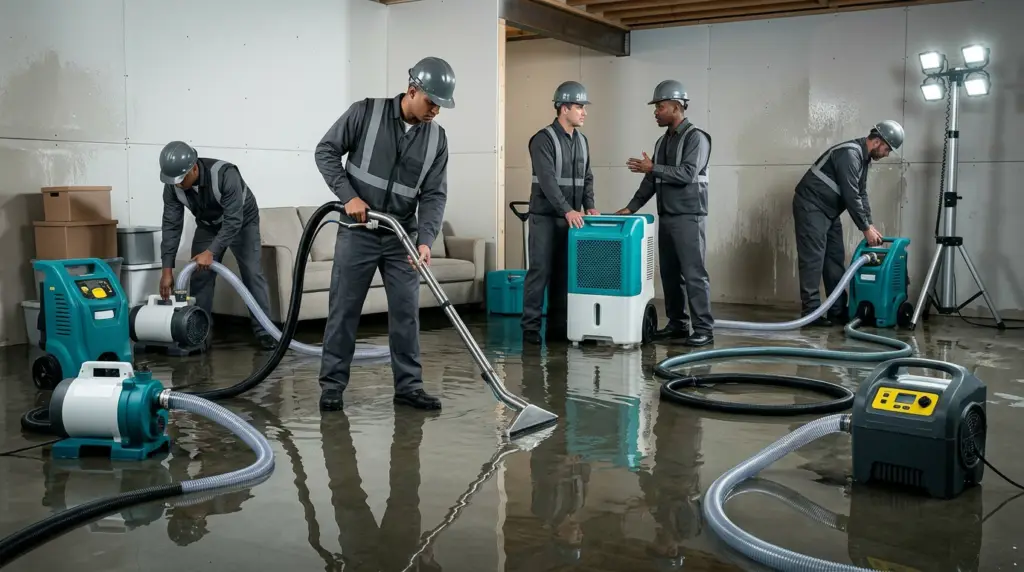
Household appliances that use water are common sources of leaks and flooding. Washing machines, dishwashers, refrigerators, and water heaters all rely on hoses and connections that can deteriorate over time. A worn-out hose or faulty seal can release large amounts of water in a short period.
Many appliance-related incidents occur when homeowners are away or asleep, allowing water to spread unchecked. This can result in soaked flooring, damaged cabinets, and compromised electrical systems.
Regularly inspecting appliance connections and replacing hoses every few years can prevent unexpected failures. Installing leak detectors near appliances is another proactive measure. When appliances fail, immediate cleanup is necessary to avoid extensive water damage restoration and further complications.
Clogged Gutters and Drainage Issues
Gutters and downspouts play a vital role in directing water away from a building. When they become clogged with debris such as leaves and dirt, water cannot flow properly. Instead, it overflows and seeps into the roof, walls, or foundation.
Poor drainage around the property can also cause water to pool near the structure. Over time, this leads to foundation cracks and basement leaks. These issues often go unnoticed until significant damage has occurred.
Maintaining clean gutters and ensuring proper grading around the property are key preventive steps. Redirecting water away from the foundation reduces the risk of structural damage. Neglecting these areas often results in costly repairs and the need for professional water damage restoration services.
Natural Disasters and Severe Weather
While not as frequent as internal issues, severe weather events can cause significant water damage. Heavy rain, storms, and flooding can overwhelm drainage systems and force water into homes and buildings. Strong winds may also damage roofs, allowing rainwater to enter.
Flooding is particularly destructive because it affects multiple areas at once. It can ruin flooring, walls, furniture, and electrical systems. In many cases, floodwater contains contaminants that pose health risks.
Preparing for severe weather involves reinforcing vulnerable areas of the property and having an emergency plan in place. Sealing cracks and installing sump pumps can help reduce damage. When disasters occur, professional water damage restoration is essential to safely and effectively restore the property.
HVAC System Issues
Heating, ventilation, and air conditioning systems can also contribute to water damage if not properly maintained. Air conditioners produce condensation, which is typically drained away through a dedicated line. When this line becomes clogged or damaged, water can back up and leak into surrounding areas.
Improper installation or lack of maintenance can worsen the problem. Moisture buildup around HVAC units can lead to mold growth and structural damage over time.
Regular servicing of HVAC systems helps ensure proper drainage and operation. Checking drain lines and cleaning components reduces the risk of leaks. Addressing these issues early prevents the need for extensive water damage restoration and keeps indoor environments safe.
Foundation Cracks and Structural Issues
The foundation of a building is designed to keep water out, but cracks can develop over time due to settling or environmental factors. These cracks allow water to seep into basements or crawl spaces, especially during heavy rainfall.
Once water enters through the foundation, it can spread quickly and damage flooring, walls, and stored items. Persistent moisture also encourages mold growth and weakens structural components.
Sealing foundation cracks and improving drainage around the property are effective preventive measures. Installing waterproofing systems can provide additional protection. Ignoring foundation issues often leads to ongoing problems that require professional water damage restoration to resolve.
Overflowing Fixtures and Human Error
Sometimes water damage is caused by simple human mistakes. Leaving a faucet running, overfilling a bathtub, or failing to monitor appliances can result in unexpected flooding. While these incidents may seem minor, they can quickly escalate if not addressed immediately.
Overflowing sinks and toilets can release significant amounts of water in a short time. This water can spread across floors and seep into lower levels of the property, causing hidden damage.
Being mindful of water usage and installing overflow protection devices can help prevent these situations. Quick action is crucial when accidents occur. Even small incidents may require water damage restoration if moisture penetrates deeply into materials.
Sewer Backups
Sewer backups are one of the most unpleasant and hazardous causes of water damage. They occur when wastewater cannot flow properly through the drainage system, causing it to return into the property. This can happen due to blockages, tree root intrusion, or damaged sewer lines.
The water involved in sewer backups is highly contaminated and poses serious health risks. It can damage flooring, walls, and personal belongings while also creating unsafe living conditions.
Preventing sewer backups involves regular maintenance of drainage systems and avoiding flushing inappropriate materials. Installing backflow prevention devices can also reduce risk. When backups occur, professional water damage restoration is necessary to safely clean and disinfect the affected areas.
Conclusion
Water damage can result from a wide range of causes, but plumbing failures remain the most common. From leaking pipes to faulty appliances and poor drainage, many issues start small and grow into costly problems if ignored. Regular maintenance, timely repairs, and awareness of potential risks are key to protecting your property.
When water damage does occur, acting quickly is essential to minimize long-term effects. Professional services ensure thorough cleanup, drying, and restoration. If you need expert assistance, ServiceMaster Restoration Services in Lisle is ready to help. Contact their team at +1 630-241-1111 for reliable support and efficient solutions to restore your property and peace of mind.
https://arleneshaw1973.podbean.com/e/what-is-the-most-common-cause-of-water-damage
https://www.podomatic.com/podcasts/arleneshaw1973podcast/episodes/2026-05-25T06_54_37-07_00
https://stream.redcircle.com/episodes/4061f871-7459-4356-8f23-309b37d2b6a5/stream.mp3