
Short answer: Often, yes, if the water came from a sudden and accidental event such as a burst pipe or a split supply line. Damage from a slow leak that ran for weeks or months is usually treated as a maintenance problem and excluded, and mold coverage is often limited. Your own policy wording decides the details.
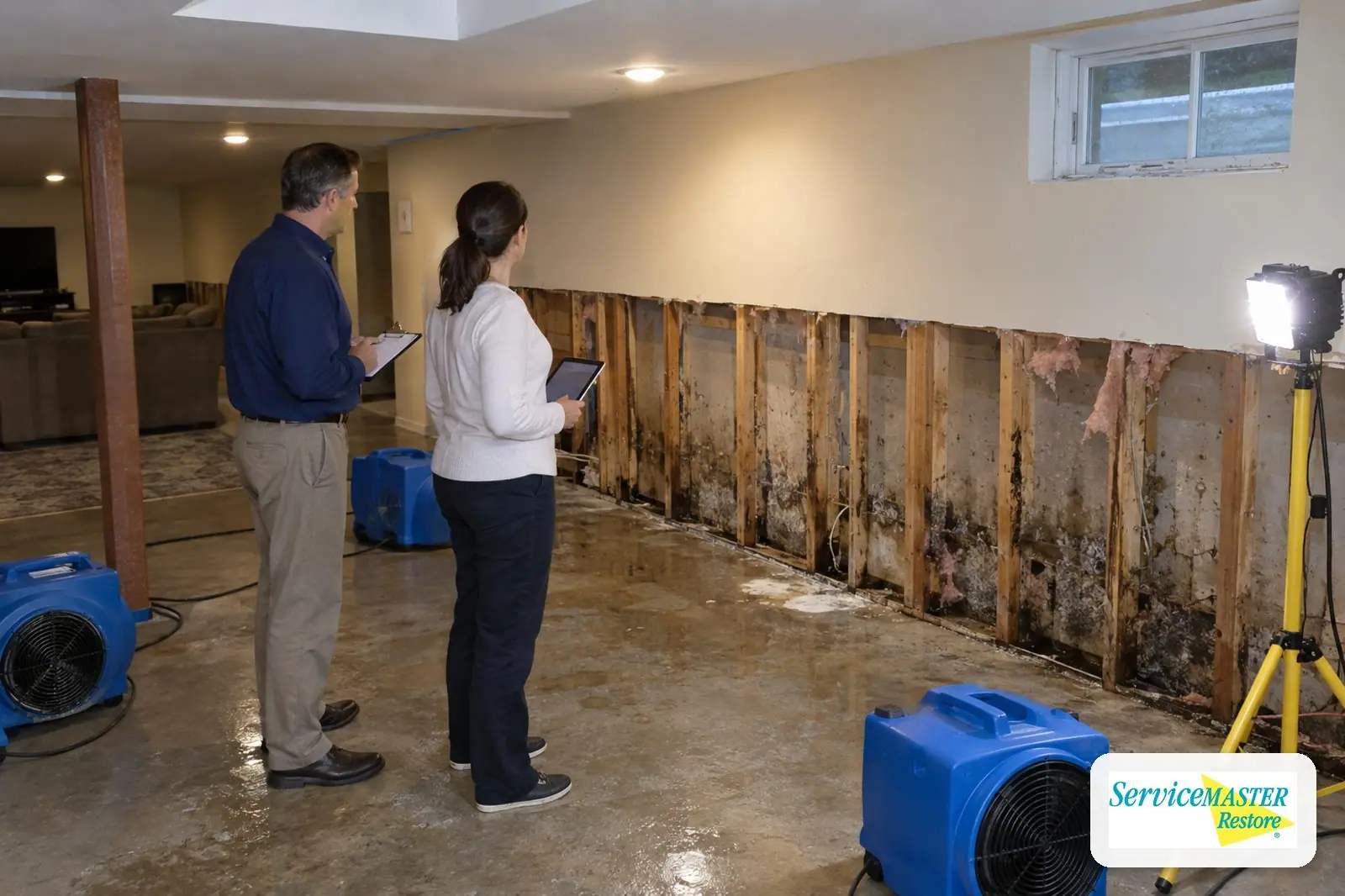
Water inside a wall rarely shows up on schedule. You notice a stain, a bubble in the paint or a soft spot near the baseboard, and the next question is who pays to open the wall and fix it. Insurers answer that by asking two things: how the water got there, and how long it had been happening.
Sudden and accidental vs. slow and repeated
Most in-wall claims turn on that distinction. The Insurance Information Institute (Triple-I) lists accidental discharge or overflow of water or steam from plumbing and similar household systems as a covered peril on most homeowners policy forms. A pipe that bursts, a supply line that splits behind a dishwasher, or a frozen pipe that cracks in an exterior wall is the kind of event that language was written for.
A slow drip is treated differently. Washington State’s insurance regulator explains that most homeowners policies do not cover gradual leaks that have gone on for a long time, because insurers generally see them as maintenance problems rather than sudden accidents. Triple-I makes the same point from the other side: keeping your home maintained and taking reasonable precautions is your responsibility under the policy.
| What happened inside the wall | How insurers usually see it | What to check in your policy |
|---|---|---|
| Pipe or fitting bursts suddenly | Sudden and accidental; resulting water damage is often covered | Deductible and any water damage sublimits |
| Frozen pipe cracks in an exterior wall | Often covered if the home was kept heated | Heating and vacancy conditions |
| Slow drip from a fitting or drain for months | Usually excluded as gradual or maintenance-related | Wording on continuous or repeated seepage and wear and tear |
| Rain running into the wall from a storm-damaged roof or window | Water from above is generally treated differently from flooding | Windstorm and rain conditions |
| Groundwater seeping through the foundation into a lower wall | Usually excluded; flood needs a separate policy | Flood and seepage exclusions |
| Mold that grew from a long hidden leak | Often excluded or capped | Mold exclusion or limit |
The damage vs. the part that failed
An in-wall leak creates three different costs, and a policy can treat each one differently:
- The resulting damage: wet drywall, insulation, flooring, trim, cabinets and paint.
- Access, or tear-out: cutting open the wall or ceiling to find and reach the leak.
- The failed item itself: the corroded fitting, the cracked pipe or the worn-out appliance.
Do not assume any of these is automatically in or out. Read the water damage or accidental discharge section and the exclusions, or ask your agent to point you to the exact sentences. Washington’s regulator gives the same advice: ask your insurance agent for specifics if you are not sure how your policy covers water damage and mold. If you are weighing whether to file at all, compare the repair estimate with your deductible first.
Mold from a long-running hidden leak
Mold is where many in-wall claims shrink. Triple-I lists mold, along with lack of maintenance, among the things a standard policy will not cover, and Washington’s regulator notes that many policies offer only limited mold coverage, and only when the mold results from a covered loss. A pipe that burst last night has not had time to grow mold. A leak that dripped behind a shower for a year probably has. If you already see growth or smell it, our mold remediation guide explains how containment and removal work.
Timing matters for the claim and for the house. The EPA says water-damaged areas and items should be dried within 24 to 48 hours to prevent mold growth, and Washington’s regulator warns that insurance won’t cover water damage if you delay repairs.
How in-wall moisture is confirmed before walls are opened
You do not need to cut a wall open to know whether it is wet. EPA guidance for investigators notes that moisture meters are commonly used to find wet areas, and that a borescope can show what is behind a wall without significantly damaging the drywall. Restoration technicians usually add a thermal camera, which shows temperature differences that often line up with wet areas, then confirm each suspect spot with a meter reading compared against a dry wall in the same house.
That moisture map does two jobs. It shows exactly how far the water traveled, so only the wet sections are removed, and it gives the adjuster dated evidence of the extent of the damage. If the source is a supply line or drain, our page on burst and leaking pipe repairs and drying covers what happens next.
Document first, then protect the property
- Stop the water. Close the fixture valve or the main shutoff. Our guide to the first hour after a burst pipe walks through it.
- Photograph before you move anything. Triple-I’s claim guidance says to photograph or videotape the damage, then take reasonable steps to protect your property from further damage.
- Tell your insurer promptly. The NAIC advises notifying your insurance company right away and notes that reporting deadlines vary by state.
- Start emergency mitigation. Extraction and drying are the reasonable steps insurers expect. Save every receipt.
- Keep the evidence. If possible, hold on to the failed fitting and removed materials until the adjuster has seen them, as Triple-I recommends for damaged items.
- Wait on permanent rebuilding. New drywall, paint and cabinets can wait until the adjuster has seen the damage or agreed on the scope.
Policies vary, and where to get help in Illinois
Everything here is general information, not legal advice. Policy forms differ by company and by endorsement, so your declarations page and policy wording are what count. The Illinois Department of Insurance consumer page has guides on home inventories and public adjusters, plus instructions for filing a complaint if you hit a wall with your insurer. For the full claim process in Illinois, including sewer backup and flood, read our guide to homeowners insurance and water damage in Illinois.
When to call a professional
Call for help if water is still running somewhere you cannot see, the wall feels soft or is swelling, the stain keeps spreading, or you smell something musty. ServiceMaster Restoration Services in Lisle provides 24/7 emergency water damage service across DuPage and Will County. Our IICRC-certified technicians measure and photograph the wet area, dry the structure, and our team can help with your insurance claim paperwork. We cannot promise what your policy covers, but we can make sure the adjuster sees a clear record. Call (630) 241-1111, day or night.
More questions
How long do I have to report water damage inside a wall?
It depends on your state and your policy. The NAIC notes that reporting deadlines vary by state and recommends notifying your insurer right away. Reporting late can also make it harder to show the damage was sudden rather than gradual.
Is a leak from a shower or tub inside the wall covered?
It depends on what failed and for how long. Water that seeps past worn grout, caulk or a shower pan over many months can look like gradual seepage to an insurer. A valve or fitting that suddenly split is a different situation. Expect the adjuster to look for signs of how long the leak ran, such as staining, rot and mold.
Should I cut the wall open myself to look?
Not before you photograph the damage and call your insurer. A small inspection hole, a borescope or a moisture meter can confirm the problem with less damage, and cutting blind risks hitting wiring or plumbing. Once the claim is open, removing wet drywall to dry the cavity is normal mitigation.
Will a small in-wall leak claim raise my premium?
It can, depending on your insurer and your claim history. Ask your agent how a claim would affect your policy, and compare the repair estimate with your deductible before deciding whether to file.
Sources
- Which disasters are covered by homeowners insurance? (Triple-I)
- Leaks, water damage and mold (Washington State Office of the Insurance Commissioner)
- A Brief Guide to Mold, Moisture and Your Home (EPA)
- Mold Course Chapter 3: Finding Mold and Moisture (EPA)
- How to file a homeowners claim (Triple-I)
- What You Need to Know When Filing a Homeowners Claim (NAIC)
- Homeowners & Renters Insurance (Illinois Department of Insurance)