What Determines the Cost of Water Damage Restoration?
There is no fixed price for restoring water damage because every situation is different. A small leak affecting one area may require limited cleanup, while extensive flooding can involve several rooms and significant structural damage.
The size of the affected area is one of the main factors. Larger areas typically require more labor, drying equipment, and time. The type of water also matters because contaminated water requires additional safety and cleaning procedures.
The materials affected can influence the cost as well. Flooring, drywall, insulation, cabinets, and other porous materials may need to be removed if they cannot be safely dried or restored.
How quickly the water is removed is another important consideration. Prompt action can limit damage and reduce the likelihood of additional problems such as mold or structural deterioration.
Does the Amount of Water Affect the Price?
Yes. The amount of water and the area it affects can significantly change the restoration cost. A small plumbing leak under a sink is generally much easier to address than water covering an entire floor.
A larger amount of water requires more extraction, drying equipment, and labor. Water can also travel underneath flooring or into walls, making the affected area larger than it initially appears.
Time is another factor. Water that remains in a property for an extended period can cause flooring to warp, drywall to deteriorate, and other materials to become damaged. This may turn a simple cleanup into a larger repair project.
For this reason, homeowners should respond quickly when they discover a leak or flooding. Removing standing water and beginning the drying process as soon as possible can help limit the overall scope of the damage.
How Does the Type of Water Affect Costs?
The source of the water plays an important role in determining the restoration process. Clean water from a supply line is generally less complicated to address than water from a sewage backup or other contaminated source.
Contaminated water may contain bacteria, chemicals, or other harmful substances. Professional restoration may therefore require protective equipment, specialized cleaning, controlled removal, and additional sanitation.
The type of water can also determine whether certain materials can be restored. Some porous materials may need to be discarded if contamination has penetrated deeply.
Even water that initially appears clean can become contaminated after sitting inside a property or coming into contact with dirty surfaces. Identifying the source early helps restoration professionals determine the safest approach and provide a more accurate estimate.
Can Mold Increase Restoration Costs?
Mold can make a water-related problem more complicated and expensive. When moisture remains in a warm environment, mold can begin developing, particularly when wet materials are not dried properly.
If mold is present, restoration may involve identifying the moisture source, containing the affected area, removing contaminated materials, cleaning surfaces, and thoroughly drying the property.
Hidden moisture is particularly concerning because water can become trapped behind walls, beneath flooring, or inside cabinets. These areas may not be obvious during a basic visual inspection.
Addressing water damage quickly can help reduce the conditions that allow mold to develop. If you notice a musty smell, discoloration, or visible mold following a leak, professional evaluation can help determine the extent of the problem.
Are Repairs Included in Restoration Costs?
Restoration and reconstruction are related but are not always the same thing. Restoration generally involves removing water, drying the property, cleaning affected areas, and addressing immediate damage. Reconstruction may be necessary when building materials have been seriously damaged.
Drywall, flooring, subflooring, insulation, cabinets, and trim can all be affected by prolonged moisture. In severe cases, structural components may also require inspection and repair.
For example, drying a wet floor may solve the moisture problem, but flooring that has warped or deteriorated may still need replacement.
A professional assessment can help determine which materials can be saved and which ones should be removed. This gives homeowners a better understanding of the total project rather than focusing only on the visible water.
Does Insurance Cover Water Damage?
Insurance coverage depends on the cause of the damage and the terms of the homeowner’s policy. Certain sudden and accidental water losses may be covered, while gradual leaks, neglect, or maintenance-related problems may be treated differently.
Homeowners should contact their insurance provider promptly after significant damage occurs. Taking photographs and documenting affected areas can also provide useful evidence for a claim.
Insurance may cover resulting damage without necessarily covering the cost of fixing the original source. For example, coverage for damage caused by a sudden pipe failure may differ from coverage for a long-term plumbing leak.
Because policies vary, homeowners should review their coverage and speak directly with their insurance company. Keeping receipts, photographs, and restoration documentation can also help with the claims process.

How Can You Keep Restoration Costs Lower?
The most effective way to limit restoration costs is to act quickly. If it is safe, stop the source of the water and begin addressing the problem immediately.
Standing water should be removed as soon as possible, but homeowners should avoid entering areas where electrical hazards or contaminated water may be present. Professional assistance may be necessary in these situations.
Hidden moisture should also be taken seriously. A surface may look dry while moisture remains underneath flooring or inside walls. Professional moisture detection and drying equipment can help identify these areas.
Regular maintenance can help prevent some water emergencies as well. Checking plumbing connections, appliances, roofs, gutters, and other potential leak sources can help identify problems before they become extensive.
Trying to save money by delaying cleanup can ultimately lead to higher costs. Quick action can reduce secondary damage and may limit the amount of material that needs to be replaced.
When Should You Call a Restoration Professional?
Professional restoration is recommended when water damage affects a large area, involves contaminated water, reaches hidden spaces, or causes significant damage to building materials.
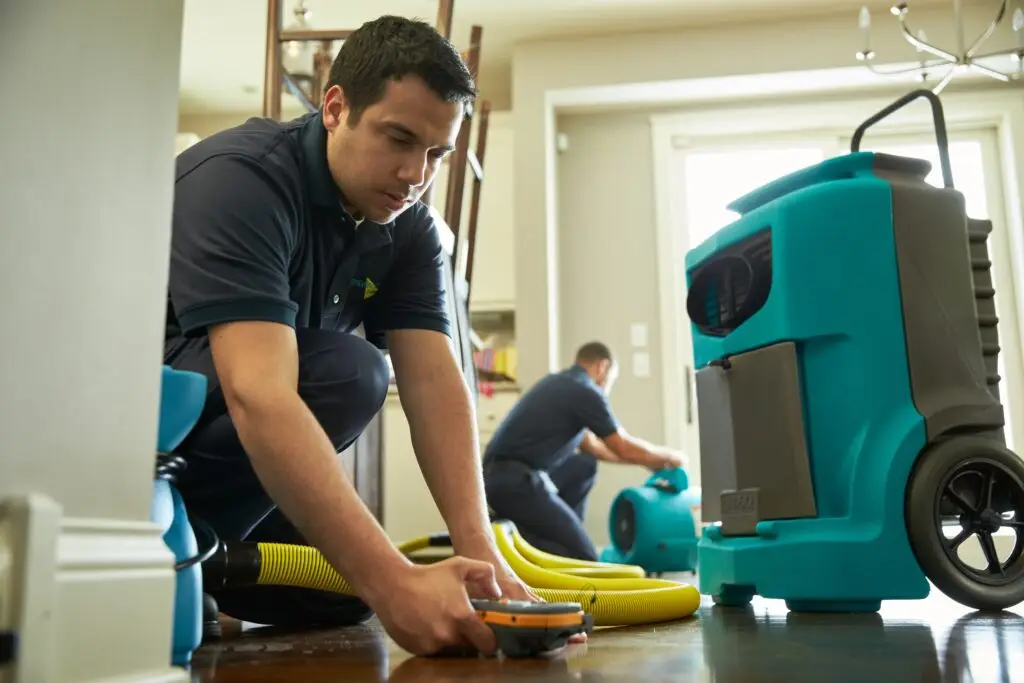
Restoration professionals have specialized equipment for extracting water, detecting moisture, and drying structures. This can be especially useful when water has entered walls, ceilings, floors, or other difficult-to-access areas.
Professional help is also important after sewage backups, major plumbing failures, flooding, or severe storms. These situations can involve safety risks that make DIY cleanup inappropriate.
For a small, isolated leak, homeowners may be able to handle basic cleanup when conditions are safe. However, if you are unsure how extensive the damage is, having the property evaluated can help identify problems before they become more serious.
Conclusion
So, is water damage restoration expensive? It depends on the amount of water, the affected area, the type of water, the materials involved, and how quickly cleanup begins. Minor leaks may require limited work, while extensive flooding or contaminated water can require significant restoration and repairs.
Taking action quickly is one of the best ways to minimize additional damage. Professional assessment can also identify hidden moisture and determine which materials can be restored or need replacement.
If you need professional help with water damage in Lisle, IL, ServiceMaster Restoration Services can assist with assessing and restoring affected properties. Call +1 630-241-1111 to discuss your water damage restoration needs.