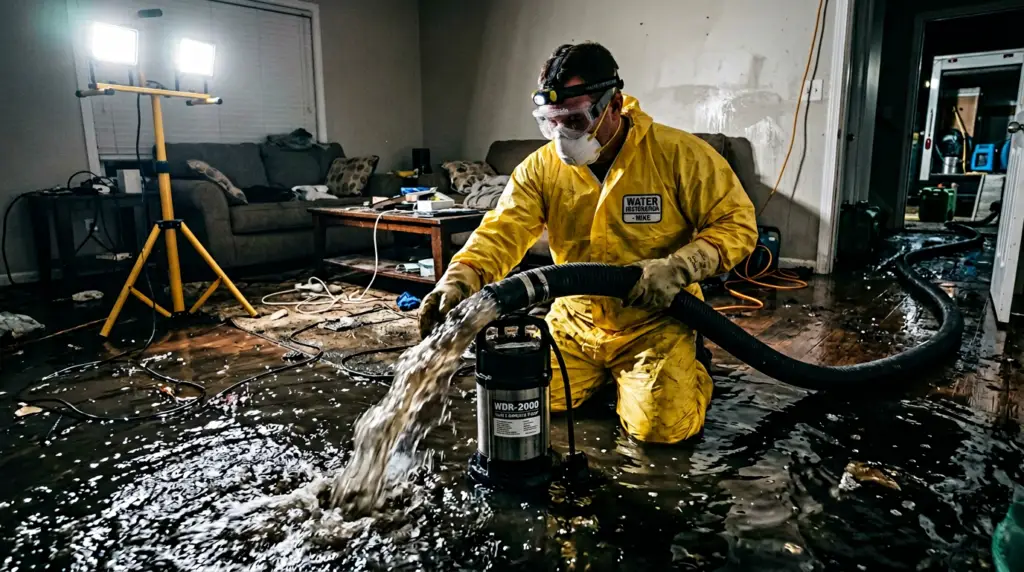
Storms can strike unexpectedly, leaving homes and businesses vulnerable to flooding and structural damage. Swift action is essential to protect property and prevent long-term complications that arise from prolonged exposure to moisture. Water damage restoration is a critical process that addresses these challenges by removing excess water, drying affected areas, and mitigating the risk of mold growth and material decay.
By intervening promptly after a storm, property owners can reduce repair costs and safeguard the integrity of their buildings. Effective water damage restoration not only restores the appearance and functionality of affected spaces but also preserves personal belongings and important structural components. Prioritizing this restoration ensures that recovery is efficient and lasting, minimizing disruption and long-term loss.
Rapid Response Reduces Damage
Immediate action after water intrusion is critical to minimize harm. Water damage restoration begins with a swift assessment to determine the extent of flooding and affected areas. Prompt intervention prevents structural weakening, wood warping, and carpet deterioration, while also reducing the risk of mold growth. By addressing water intrusion within the first 24 to 48 hours, restoration efforts are more effective, and long-term repairs are often less extensive. Early action protects flooring, furniture, and essential infrastructure, ensuring the property remains safe and functional while maintaining its value and usability after storm-related water damage.
Comprehensive Water Extraction
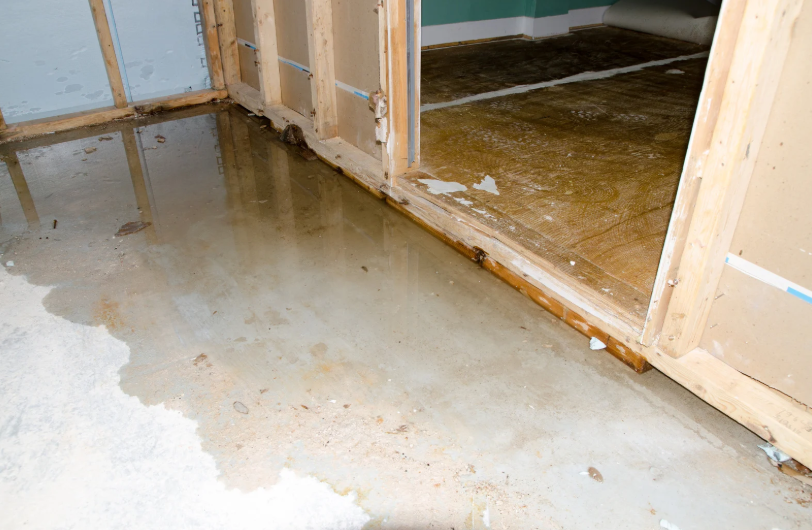
Efficient water damage restoration requires thorough removal of standing water from affected areas. Specialized equipment such as high-capacity pumps and wet vacuums ensures complete extraction from carpets, flooring, and hard-to-reach spaces. Removing water quickly prevents saturation from weakening structural materials and reduces the likelihood of secondary damage like swelling or delamination. This stage is essential for controlling humidity levels and preventing mold and mildew. Comprehensive extraction lays the foundation for the drying process, safeguarding both building integrity and personal belongings. Complete water removal ensures that subsequent restoration steps can proceed effectively, minimizing loss and preserving the property’s long-term condition.
Structural Drying and Dehumidification
After water removal, water damage restoration continues with targeted drying and dehumidification of affected areas. Industrial fans, air movers, and dehumidifiers accelerate moisture removal from walls, floors, and ceilings. Proper drying prevents long-term issues such as warping, paint bubbling, and corrosion, while reducing mold growth risks. Monitoring moisture levels throughout the process ensures that even hidden spaces receive adequate attention. This careful approach restores stability and protects the structural integrity of the property. Efficient drying safeguards personal items, furnishings, and electronics while creating a safer, healthier environment for occupants and reducing the need for costly repairs in the aftermath of storm-related water damage.
Mold Prevention and Remediation
Moist environments after flooding create ideal conditions for mold growth, which can compromise health and property. Water damage restoration incorporates preventive measures to inhibit mold development, including thorough drying, cleaning, and antimicrobial treatments. Early intervention is crucial, as mold can spread rapidly and damage walls, flooring, and insulation. Identifying moisture pockets and applying proper remediation techniques ensures that mold growth is minimized, maintaining indoor air quality and property safety. Addressing mold risks promptly is an integral part of restoration, protecting both the building and its occupants, while preserving the long-term durability and habitability of the space affected by storm-related water intrusion.
- Understanding Mold Risks Flooding and water intrusion create moist environments that encourage mold growth. Mold can compromise both health and the structural integrity of a property if left untreated. Recognizing the areas most susceptible to moisture, such as walls, flooring, and insulation, is essential for effective water damage restoration.
- Early Intervention is Key Swift action after water intrusion is critical for mold prevention. Mold can begin forming within 24 to 48 hours in damp conditions. Immediate water damage restoration, including extraction and drying, limits the conditions mold needs to thrive. Early intervention not only safeguards the structural materials but also reduces the cost and complexity of remediation.
- Thorough Drying and Cleaning Proper drying and cleaning are essential for effective mold prevention following water damage. Using industrial-grade dehumidifiers and powerful air movers, moisture is extracted from floors, walls, and hidden spaces, while specialized cleaning solutions remove dirt and contaminants that could encourage mold growth. Every corner, including hard-to-reach cavities, is carefully treated to ensure no dampness remains.
- Antimicrobial Treatments Applying antimicrobial solutions is an effective strategy in mold remediation. These treatments inhibit mold growth on structural surfaces and personal belongings. By targeting moisture-prone areas, antimicrobial applications reduce the risk of recurring mold infestations. Integrating this step into water damage restoration ensures a comprehensive approach, protecting indoor air quality and maintaining a healthier environment.
- Ongoing Monitoring and Prevention Mold prevention extends beyond immediate restoration efforts. Identifying hidden moisture pockets and monitoring humidity levels helps ensure mold does not reappear. Routine inspections and preventive measures maintain the property’s long-term safety and durability. Addressing mold risks as part of a larger water damage restoration plan protects both the building and its occupants.
- Repairing Damaged Surfaces Water damage restoration often involves repairing or replacing materials affected by flooding, such as drywall, flooring, and cabinetry. Timely repairs restore the property’s structural and aesthetic integrity while preventing further deterioration. Assessing each surface for warping, staining, or weakening allows targeted restoration efforts. Replacing damaged materials reduces the risk of mold and ensures the space returns to full functionality. Restoration specialists focus on maintaining consistency with existing finishes and structures, ensuring that repaired areas blend seamlessly with the rest of the property. Proper repair work following water damage enhances durability and prevents recurring issues caused by lingering moisture.
Protecting Personal Belongings
During water damage restoration, preserving personal items is a priority. Furniture, electronics, documents, and sentimental possessions are carefully assessed and treated to minimize water-related harm. Items are cleaned, dried, and restored when possible to prevent permanent loss. Swift action limits staining, warping, or corrosion, while organized handling ensures belongings remain secure and accessible. This approach emphasizes the value of personal property while reducing overall replacement costs. Protecting personal items during restoration supports both emotional and financial well-being, ensuring that the property is fully restored without sacrificing cherished possessions, even after significant storm-related water damage.
Long-Term Monitoring and Prevention
Effective water damage restoration extends beyond immediate repairs by monitoring and preventing future issues. Moisture sensors and routine inspections ensure that no residual dampness remains, reducing the risk of recurring mold or structural problems. Homeowners can implement preventive strategies, such as improved drainage and water barriers, to safeguard against future flooding events. Long-term monitoring enhances the durability of repairs and preserves property value. Ensuring a proactive approach helps residents and businesses remain prepared, reducing potential loss from future storms. Comprehensive restoration coupled with preventive measures guarantees lasting protection and a safer, healthier living environment.
Conclusion
Water damage restoration is essential for minimizing property loss and maintaining safety after storm events. By acting quickly, addressing structural issues, and preventing mold growth, restoration efforts ensure homes and businesses recover efficiently. Proper water damage restoration safeguards both the integrity of the property and the belongings within, reducing long-term repair costs and preserving value. For professional assistance in Lisle, IL, ServiceMaster Restoration Services provides comprehensive restoration solutions tailored to storm-related water damage. Contact us today at (630) 241-1111 to schedule an assessment and begin restoring your property with expert care and reliable service.