Water Damage Can Spread
Water rarely stays limited to the area where it first appears. It can travel through drywall, flooring, insulation, ceilings, and other porous materials. A small stain on a wall or ceiling may indicate that moisture has already reached areas that are not visible.
The longer materials remain wet, the farther the moisture can spread. Water may move beneath flooring or inside wall cavities, making the actual extent of the damage difficult to determine without proper inspection.
Quick extraction and drying can help limit how much of the property becomes affected. Addressing the source and removing moisture early may also reduce the amount of material that needs to be repaired or replaced.
Mold Can Grow Quickly
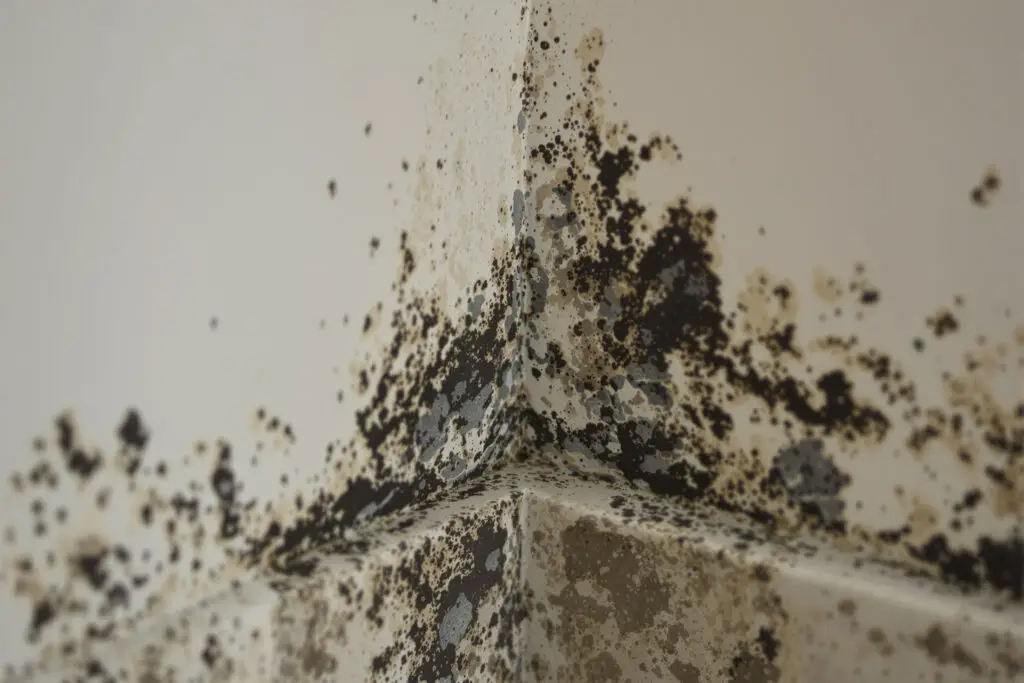
Mold is one of the most common concerns following untreated water damage. Mold spores naturally exist indoors and outdoors, but excessive moisture can create ideal conditions for them to multiply.
Damp drywall, carpeting, wood, insulation, and other materials can provide both moisture and a food source for mold. Once growth begins, it may spread to surrounding areas and create a persistent musty odor.
Hidden moisture can be particularly troublesome because mold may develop behind walls or underneath flooring without being immediately visible. Prompt drying is therefore an important part of preventing moisture-related problems.
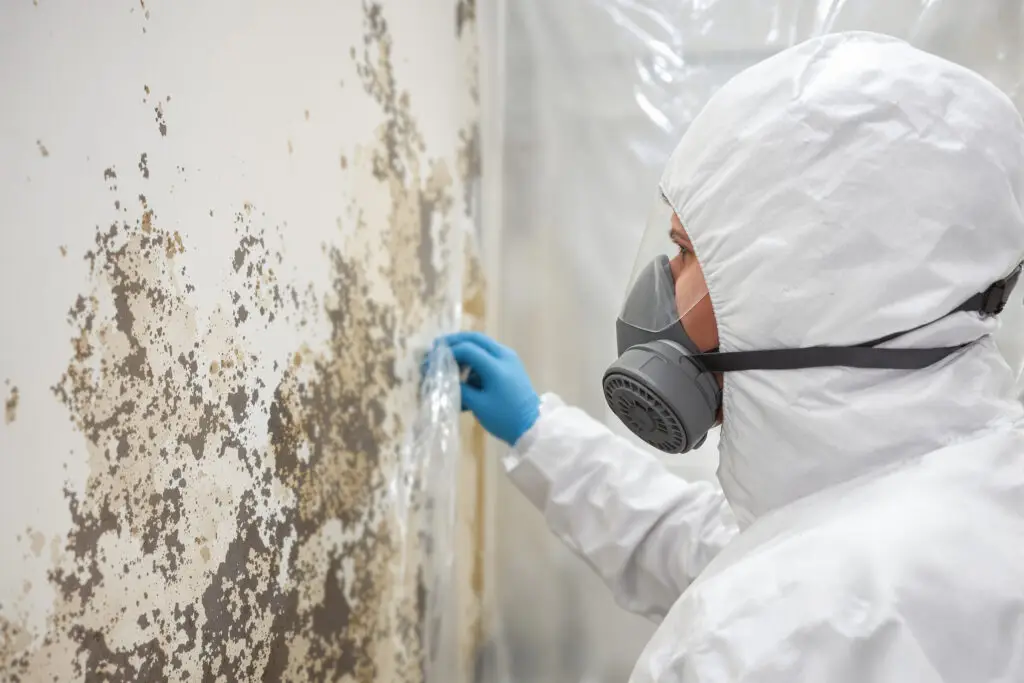
If mold is already present, professional assessment may be necessary to determine how extensively the affected materials need to be cleaned or removed.
Building Materials Can Deteriorate
Prolonged exposure to water can weaken many parts of a building. Drywall may become soft or crumble, wood can swell or warp, and flooring may buckle or separate.
Ceilings can be especially concerning when they absorb significant amounts of water. Saturated drywall can become heavy and unstable, potentially creating a safety hazard.
The extent of deterioration depends on the amount of water, the materials involved, and how long they remain wet. Early drying can sometimes save materials that would otherwise require replacement.
A professional inspection can help determine which materials can be restored and which have sustained too much damage.
Electrical Problems May Develop
Water and electricity create serious safety risks. If water reaches outlets, wiring, electrical panels, appliances, or other electrical components, it can potentially cause short circuits, electric shock, or fire hazards.
Electrical problems may not always be immediately obvious. An outlet or appliance may appear to work normally even though moisture has reached components that require inspection.
Homeowners should avoid using electrical equipment in areas affected by significant water until the situation has been assessed safely. A qualified electrician may need to inspect affected electrical systems before they are used again.
Safety should always come before cleanup when water has reached electrical components.
Floors and Walls May Need Replacement
Porous materials absorb water quickly. Carpeting, drywall, insulation, wood, and certain flooring materials may become difficult to restore if they remain saturated for too long.
Hardwood floors can warp or buckle, while laminate flooring may swell. Drywall can develop stains, bubbling, soft spots, or deterioration.
In some situations, professional drying can save affected materials. However, materials that are heavily damaged or contaminated may need to be removed and replaced.
Quick action gives homeowners a better opportunity to preserve parts of the property that might otherwise be lost. A professional assessment can help determine the most appropriate approach instead of replacing materials unnecessarily.
Persistent Odors Can Develop
A musty odor often indicates that moisture remains somewhere in the property. Damp materials can support microbial growth and produce smells that continue even after visible water has been removed.
Using air fresheners or deodorizers may temporarily mask the smell, but it does not address the moisture causing it. If water remains trapped inside walls, flooring, carpeting, or other materials, the odor may return.
Finding the source is important. Professional drying and moisture detection can help locate hidden damp areas and determine whether affected materials need cleaning, treatment, or replacement.
Removing moisture at the source is generally more effective than simply trying to cover up unpleasant odors.
Repair Costs Can Increase
One of the biggest disadvantages of delaying treatment is the possibility of higher repair costs. A relatively small water leak can eventually affect drywall, flooring, cabinets, insulation, and structural materials.
Secondary damage can make the restoration process more complicated. For example, moisture trapped underneath flooring may eventually cause deterioration that was not visible when the leak first occurred.
Professional water damage restoration may involve water extraction, structural drying, moisture monitoring, cleaning, and repairs. Beginning these steps quickly can help limit the affected area and potentially reduce unnecessary replacement costs.
Although immediate restoration has an expense, delaying action may allow the damage to become significantly more extensive.
Indoor Air Quality May Suffer
Excess moisture can affect the indoor environment. Damp materials and microbial growth can contribute to musty smells and an uncomfortable indoor atmosphere.
Hidden moisture can make the problem particularly difficult to identify. A wall may look dry on the surface while insulation or framing behind it remains damp.
Proper drying therefore involves more than simply wiping visible water away. Moisture detection equipment can help identify areas that require additional attention.
Controlling moisture and humidity after a water incident can help prevent prolonged damp conditions. If visible mold or persistent odors develop, professional cleaning or remediation may be necessary.
Insurance Documentation Can Become Important
Depending on the cause of the damage and the terms of the policy, homeowners may need to communicate with their insurance provider. Delaying cleanup can make it more difficult to document how the damage developed and what additional problems occurred.
Take photographs or videos of visible damage when it is safe to do so. Keeping records of inspections, restoration work, repairs, and related expenses can also be helpful.
Homeowners should contact their insurance company to understand their specific policy requirements. A restoration company may also assist with documenting affected areas and the work performed.
Acting quickly can help protect the property while creating a clearer record of the damage and restoration process.
Quick Action Helps Limit Damage
The best way to reduce the effects of water damage is to respond promptly. If possible and safe, stop the source of the water and remove standing water. Avoid entering areas where electrical hazards may exist.
Watch for signs such as expanding stains, warped floors, bubbling paint, soft drywall, or musty odors. These can indicate that moisture remains even when the property appears mostly dry.
Professional water damage restoration can address visible and hidden moisture through extraction, drying, cleaning, and moisture monitoring. Early intervention can reduce the spread of damage and help prevent secondary problems.
The faster the affected areas are assessed and dried, the better the chance of controlling the overall restoration process.
Conclusion
Untreated water damage can quickly become more serious than it initially appears. Moisture can spread into hidden areas, weaken building materials, encourage mold growth, create odors, affect indoor conditions, and increase repair costs. Electrical systems may also present safety concerns when exposed to water.
Taking action quickly can help limit these risks and reduce the chance of extensive property damage. If your home or business has experienced a leak, flooding, appliance failure, or another water emergency, ServiceMaster Restoration Services can help with professional restoration services in Lisle, IL. Call +1 630-241-1111 for assistance and take the next step toward restoring your property.