
Short answer: It depends on what you find, but the moisture is always urgent. EPA says to dry water-damaged materials within 24 to 48 hours to prevent mold. An active leak with visible growth, growth over about 10 square feet, a contaminated HVAC system, or sensitive occupants call for action now. Small, dry, stable spots can wait for an inspection.
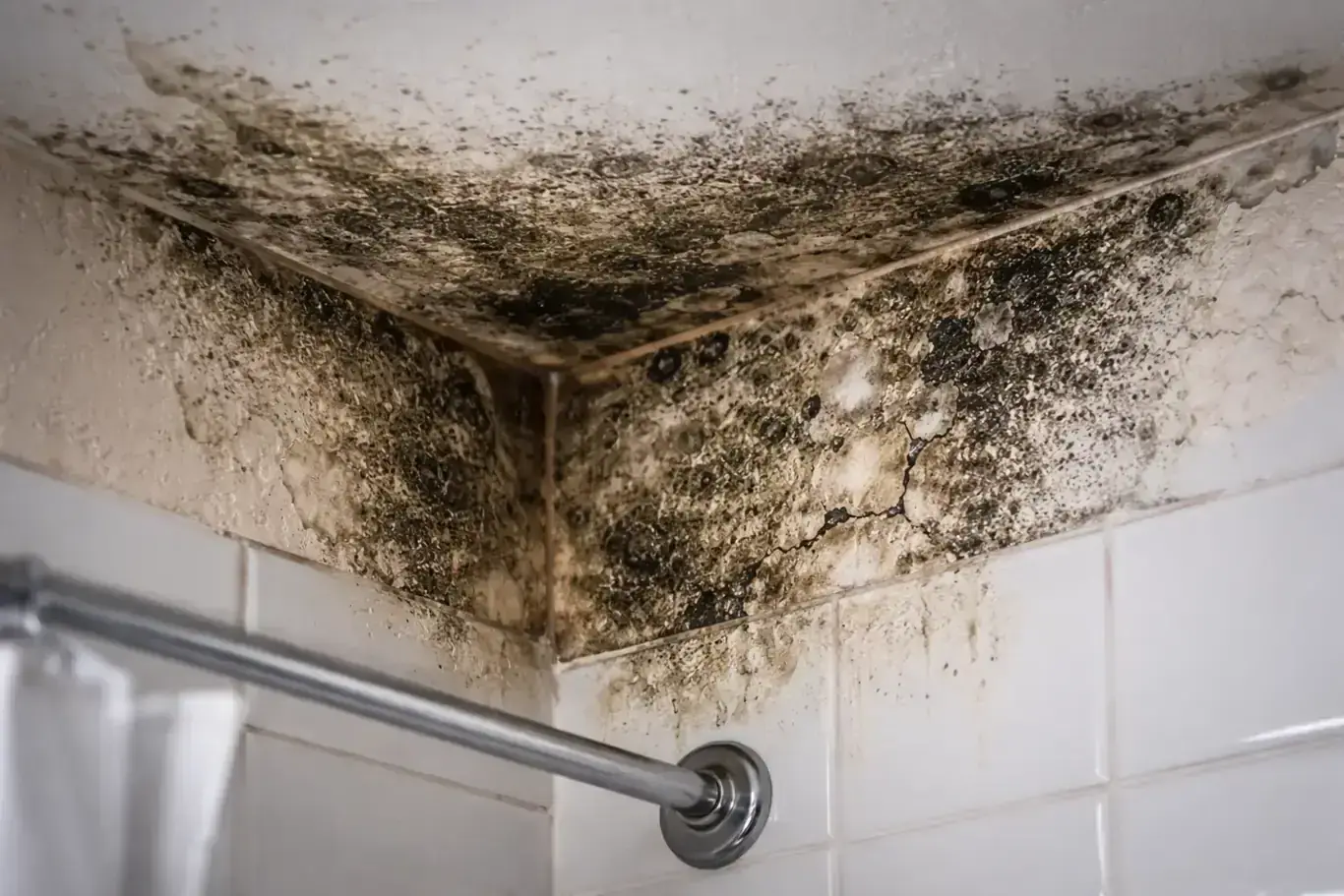
Finding mold tends to push people one of two ways: panic, or putting it off until a contractor can come look. Neither helps much. A better question is what is feeding the growth and who is breathing the air. Those two answers tell you whether to act today, this week, or after an inspection.
The clock starts with the water, not the mold
The most time-sensitive part of any mold problem is moisture. EPA's Brief Guide to Mold, Moisture and Your Home says it is important to dry water-damaged areas and items within 24 to 48 hours to prevent mold growth, and that if wet materials are dried within that window, "in most cases mold will not grow."
So if you just had a leak, an overflowing sump or a burst supply line, the urgent job is drying, and it is urgent in hours, not weeks. If the water was days or weeks ago and you are now seeing spots, the growth has already started, and every day the material stays wet gives it more room.
Triage: what needs action now and what can wait
Use the situation in front of you to set the pace. This table is based on EPA and CDC guidance.
| What you are seeing | How urgent | Why |
|---|---|---|
| Active leak or recent flooding with wet drywall, carpet or insulation | Today | Drying within 24 to 48 hours usually prevents growth (EPA) |
| Visible mold plus a leak that is still going | Today: stop the water first | Growth continues as long as the material stays wet |
| Mold in or around the furnace, air handler or ducts, or a musty smell when the system runs | Now: turn the system off | EPA says not to run an HVAC system you know or suspect is contaminated |
| Anyone at home with asthma, mold allergy, chronic lung disease or a weakened immune system | Now: keep them away and call their doctor if symptoms appear | CDC says these groups can have severe reactions or lung infections |
| Growth larger than about 10 square feet | Within days, by a professional | EPA's do-it-yourself guidance stops at about 10 square feet |
| Mold after a sewer backup or floodwater | Today, by a professional | EPA's mold course notes OSHA requires protective gear and containment for sewage-contaminated water |
| Musty odor with no visible source | Schedule an inspection soon | Suggests hidden growth inside walls, floors or ductwork (EPA) |
| A small, dry spot with the cause already fixed | This week, often do-it-yourself | Detergent, water and complete drying on hard surfaces (EPA) |
What can wait for an inspection, and what cannot
Some things can reasonably wait a few days for a professional assessment. A small patch of mildew on a bathroom ceiling, or an old stain on a dry basement wall where the leak was repaired, is not an emergency. You do not need a lab test first, either. CDC's mold guidance says plainly that "CDC does not recommend mold testing," and EPA says that when mold is visible, sampling is usually unnecessary. Our mold inspection and assessment service is the right next step when you cannot tell how far the growth goes.
What cannot wait is the moisture source. Even if remediation has to be scheduled, you can stop the water today, start drying the areas that are not moldy, and keep people out of the affected room. EPA's Mold Cleanup in Your Home page lists fixing plumbing leaks and other water problems "as soon as possible" as the first step.
Do not paint, caulk or cover it up
It is tempting to hide a stain with paint, a fresh bead of caulk or a stain-blocking primer and deal with it later. EPA says not to paint or caulk moldy surfaces. Paint over mold is likely to peel, and the growth keeps going underneath where you cannot see it. Covering it also makes the problem harder to judge later, for you, an inspector or a future buyer. Clean and dry the surface first, then paint.
Why waiting usually makes the job bigger
EPA notes that molds gradually destroy the things they grow on. In practice, delay changes the job in three ways.
- More material comes out. Drywall, carpet pad or insulation that could have been dried in the first day or two often has to be cut out and replaced once mold takes hold.
- More containment is needed. EPA's remediation guide for larger buildings calls for limited containment for 10 to 100 square feet of growth and full containment above 100 square feet. A spot that started small can cross those lines.
- More of the house is affected. Spores and odor travel through stairwells, open doors and ductwork, so a contained problem can turn into a cleaning job in other rooms.
Bigger scope means more time and more cost. For typical price ranges and what drives them, see our guide to mold remediation cost in Illinois, and for schedules by job size, how long mold remediation takes.
What to do in the next 24 hours
- Stop the water at its source, even if that means shutting a valve until a plumber arrives.
- Remove standing water and start drying the areas that are wet but not moldy.
- Turn off the heating and cooling system if you suspect mold in the furnace, air handler or ducts.
- Close the door to the affected room and keep children, pets and sensitive family members out.
- Photograph the damage and the source for your records and any insurance claim.
- Do not tear out moldy drywall or carpet without containment and protective gear.
- If the area is larger than about 10 square feet, hidden, or tied to sewage, call a professional.
On insurance: many policies treat damage from a sudden, accidental leak differently from damage caused by a slow leak over time, and mold coverage is often limited. Policies vary, so check your policy or ask the Illinois Department of Insurance.
When to call a professional
If your situation is in the "today" rows above, or you are not sure how far the mold has spread, it is worth a call. EPA's guidance for larger jobs, in Mold Remediation in Schools and Commercial Buildings, describes the containment and protective steps that keep a cleanup from spreading spores. That is the work our residential mold remediation team does.
ServiceMaster Restoration Services in Lisle has more than 20 years of experience with homes and businesses in DuPage and Will County. Our IICRC-certified technicians can dry the structure, contain and remove the mold, and help you with the insurance paperwork. For mold remediation in your home, call (630) 241-1111, 24/7.
More questions
Can I stay in the house while I wait for mold remediation?
Often yes, if the affected area is small, closed off and nobody in the home is especially sensitive to mold. Keep the door to that space shut and do not run a heating or cooling system you think is contaminated. EPA notes that large jobs sometimes include temporary relocation, especially when people with severe allergies or asthma live there.
Should I get a mold test before I call a remediation company?
Usually not. CDC does not recommend mold testing, and EPA says sampling is usually unnecessary when mold is visible, since no federal limits exist to compare results against. Testing can help in specific cases, such as suspected hidden growth, but it should be designed by a professional with sampling experience.
Is mold from a leak I did not notice covered by insurance?
It depends on your policy and the cause. Damage from sudden, accidental events is more often covered than damage from long-term leaks or maintenance issues, and many policies cap or exclude mold. Read your policy, call your agent, and contact the Illinois Department of Insurance if you have questions about your rights.
What should I tell a remediation company when I call?
Share where the mold is, roughly how large the area looks, what caused the water and when it happened, whether the heating or cooling system is involved, and whether anyone at home has asthma, allergies or a weakened immune system. Photos help the team plan the visit and the protective setup.