What Does Water Damage Classification Mean?
Water damage classification describes the extent of water absorption and the level of contamination involved in a loss. Professionals generally evaluate the amount of water present, the materials affected, and the source of the water.
The classification helps technicians determine how difficult the property will be to dry. A limited leak affecting a small area is much easier to manage than water that has soaked walls, flooring, insulation, and structural materials.
During an inspection, technicians look for both visible and hidden moisture. Moisture meters and other equipment can help locate water behind walls, underneath flooring, or inside other materials.
This assessment allows the restoration team to create an appropriate plan for extraction, drying, cleaning, and repairs.
How Are the Classes of Water Damage Determined?
Professionals use four classes to describe the extent of water absorption. Class 1 is generally the least severe and involves a limited amount of water affecting materials with minimal absorption.
Class 2 involves more extensive water and may affect carpeting, cushions, walls, and other materials capable of absorbing moisture. These areas usually require more drying time and equipment.
Class 3 involves significant water absorption. Ceilings, walls, insulation, carpeting, and other highly absorbent materials may be saturated.
Class 4 involves materials that are particularly difficult to dry, such as hardwood, concrete, plaster, or other dense building materials. Specialized drying techniques may be necessary because moisture can remain trapped within these materials.
The class can influence how restoration professionals approach extraction and structural drying.

What Are the Three Categories of Contaminated Water?
Professionals also classify water based on contamination. Category 1, often called clean water, comes from sanitary sources such as a broken supply pipe or certain appliance leaks.
Category 2 water contains a higher level of contamination and may contain microorganisms or substances that could cause illness. Examples can include certain toilet overflows, washing machine leaks, or dishwasher leaks.
Category 3 is highly contaminated and may contain sewage, bacteria, chemicals, or other harmful substances. Floodwater entering a property can also fall into this category depending on its source.
The category may change over time if water remains untreated. This is one reason professionals consider both the original source and how long the water has been present.
Why Does the Water Source Matter?
The source of the water plays a major role in determining the appropriate restoration process. A clean-water plumbing leak presents different concerns than sewage or contaminated floodwater.
Clean water can still cause serious property damage if it remains untreated. It can travel beneath floors, enter drywall, and reach areas that are not immediately visible.
Contaminated water requires additional safety precautions. Restoration workers may need protective equipment, specialized cleaning products, and procedures designed to reduce exposure to harmful substances.
Floodwater can be especially challenging because it may contain soil, bacteria, chemicals, and other contaminants picked up before entering the property.
Identifying the source allows professionals to determine which materials can potentially be cleaned and restored and which may need to be removed.
How Do Professionals Find Hidden Moisture?
Visible standing water does not always show the full extent of a loss. Water can move behind walls, beneath flooring, under cabinets, and into insulation.
Professionals use moisture meters to measure moisture levels in building materials. In some situations, thermal imaging and other inspection tools can help locate areas that require further investigation.
The goal is to find moisture that cannot be detected through a visual inspection. A room may appear dry while water remains trapped inside drywall or flooring.
Technicians compare readings from affected areas with normal readings from unaffected materials. This helps them determine where additional drying is needed.
Finding hidden moisture early can reduce the risk of lingering odors, material deterioration, and microbial growth.
What Happens After Water Damage Is Classified?
After assessing the property, restoration professionals can determine the appropriate course of action. The first step is generally to stop the source of water when possible.
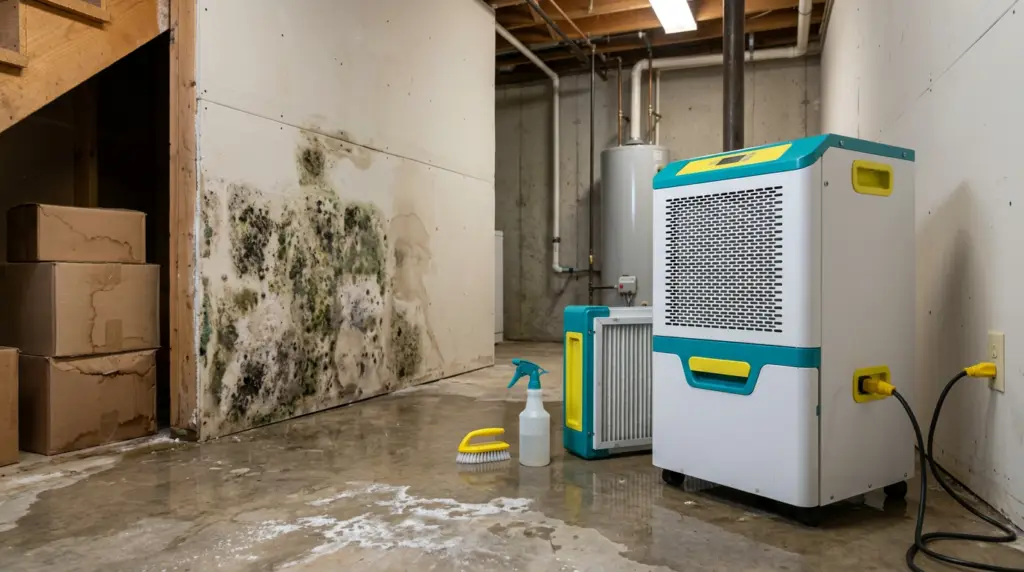
Standing water may then be removed using professional extraction equipment. Air movers and dehumidifiers are commonly used to remove remaining moisture from building materials and the surrounding air.
Technicians monitor moisture levels throughout the drying process rather than relying only on a set equipment time. Equipment can be adjusted based on moisture readings and the condition of the affected materials.
Cleaning and sanitation requirements depend on the water category. Contaminated areas may require more extensive cleaning and disinfection, while materials that cannot be safely restored may need to be removed.
Only after the property has been properly dried should reconstruction and cosmetic repairs begin.
Why Is Quick Classification Important?
The longer water remains inside a property, the greater the potential for damage. Drywall, wood, flooring, insulation, and carpeting can absorb moisture and become increasingly difficult to restore.
A fast professional inspection helps identify the source and extent of the problem. It can also reveal moisture that homeowners may not notice.
Quick action is particularly important when contaminated water is involved. Delays can increase odors, material deterioration, and sanitation concerns.
Professional water damage restoration focuses on identifying and controlling the problem as soon as possible. Proper classification helps technicians prioritize extraction, drying, cleaning, and material removal.
Acting quickly does not mean skipping steps. Instead, it allows the restoration process to begin before the damage becomes more extensive.
Can Classification Affect an Insurance Claim?
Water damage classification can be useful when documenting a property loss for an insurance claim. However, coverage depends on the individual insurance policy and the circumstances surrounding the damage.
Restoration professionals can document the source of the water, affected areas, moisture conditions, and work performed. Photos, moisture readings, invoices, and restoration records may provide useful documentation.
Classification does not automatically determine whether an insurance company will approve a claim. Policies can treat sudden plumbing failures, flooding, and long-term maintenance problems differently.
Homeowners should contact their insurance provider to understand their coverage and requirements. A restoration company can document physical damage and necessary mitigation, while the insurer determines coverage under the policy.
Keeping detailed records throughout the restoration process can make communication with the insurance company easier.
When Should You Contact a Restoration Professional?
Professional assistance is recommended when water has spread across multiple areas or affected materials such as walls, ceilings, insulation, flooring, or hardwood.
Contaminated water and sewage backups should also be handled carefully because they can create health and sanitation concerns.
A professional can determine how far the moisture has traveled and whether extraction or structural drying is necessary. This can prevent homeowners from repairing visible surfaces while moisture remains underneath.
Signs such as musty odors, warped flooring, discoloration, or recurring dampness may indicate hidden moisture. Even if the original leak has stopped, these signs should not be ignored.
Professional water damage restoration can address the underlying moisture problem and help prevent additional damage.
Conclusion
Professionals classify water damage by evaluating the amount of water, affected materials, source, and contamination level. Classes 1 through 4 describe the extent of water absorption, while Categories 1 through 3 describe the level of contamination. These classifications help restoration technicians choose the appropriate extraction, drying, cleaning, and safety procedures. Fast action is important because hidden moisture can continue damaging a property even after visible water disappears. If your home or business has experienced a leak, flood, or other water-related emergency, ServiceMaster Restoration Services can help assess the damage and determine the appropriate next steps in Lisle, IL. Call +1 630-241-1111 for professional restoration assistance.