Why Immediate Water Cleanup Matters
The first few hours after water damage occurs are the most important. Water doesn’t stay in one place for long. It quickly seeps into flooring, drywall, insulation, furniture, and even the structural framing of your property. The longer moisture remains, the greater the damage becomes.
Within minutes, water begins soaking porous materials. Carpets absorb moisture rapidly, wooden flooring starts expanding, and drywall acts like a sponge. Even areas that appear dry may hide trapped moisture beneath the surface. Professional restoration companies use specialized moisture detection equipment to locate hidden water that homeowners cannot see.
Quick action also helps minimize restoration costs. Many materials can be dried and restored if treated early. Waiting even a day or two often means replacing drywall, flooring, cabinets, or insulation that otherwise could have been saved.
Insurance claims can also benefit from prompt mitigation. Many insurance providers expect property owners to take reasonable steps to prevent additional damage after discovering a water loss. Delaying cleanup may complicate portions of a claim if preventable damage occurs afterward.
The sooner professionals arrive, the better the chances of restoring your property efficiently while reducing long-term repair expenses and disruption to your daily routine.
What Happens During the First 24 Hours
The first 24 hours after water damage often determine how extensive the restoration process will become. Water begins affecting different materials almost immediately, even when visible damage appears minimal.
During the first several hours, moisture penetrates carpets, padding, drywall, baseboards, furniture, and wooden flooring. Paint may begin bubbling while laminate flooring starts separating from its backing. Electronics exposed to moisture can also become unsafe to operate.
As humidity levels rise indoors, condensation forms on cooler surfaces, allowing moisture to spread beyond the original leak. Hidden spaces inside walls and beneath flooring become ideal environments for trapped water.
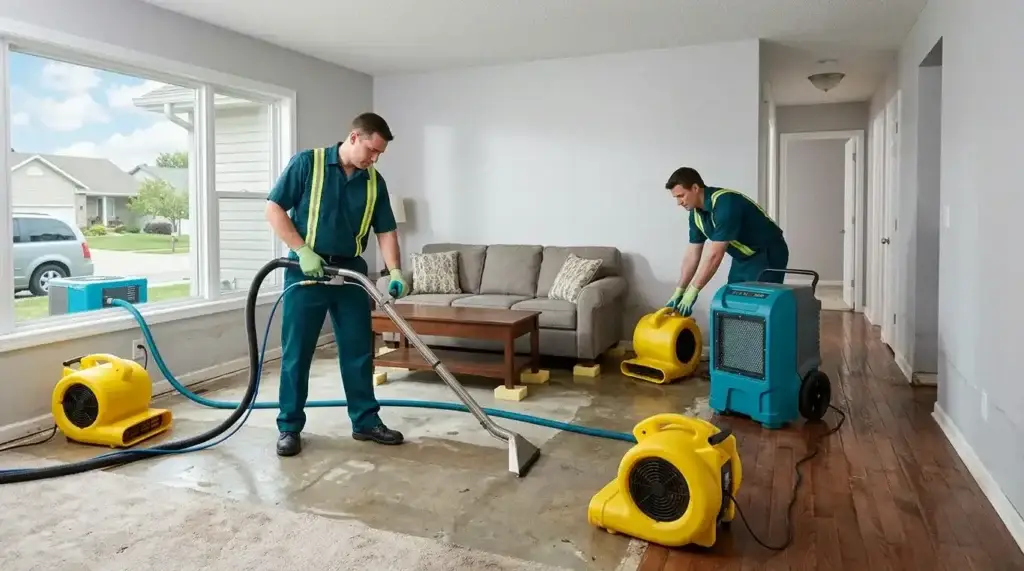
Professional restoration crews focus on stopping the water source first. They then remove standing water using commercial extraction equipment before placing industrial air movers and dehumidifiers throughout the property. Moisture readings are continuously monitored to ensure materials dry evenly.
Starting this process within the first day dramatically increases the likelihood of saving flooring, walls, cabinets, and furnishings while reducing the risk of secondary damage such as mold growth and structural deterioration.
How Mold Begins to Develop After Water Damage
One of the biggest reasons to respond quickly is the rapid growth of mold. Mold spores naturally exist in indoor and outdoor air. When moisture is introduced, these spores begin multiplying on damp surfaces.
Under favorable conditions, mold can begin growing within 24 to 48 hours after water exposure. Warm temperatures, high humidity, and porous building materials create ideal conditions for growth. Drywall, wood, insulation, carpet padding, and ceiling tiles are particularly vulnerable.
Once mold begins spreading, cleanup becomes significantly more complicated. Restoration may involve removing contaminated building materials, cleaning affected surfaces, improving ventilation, and addressing moisture sources before rebuilding can begin.
Beyond property damage, mold may contribute to unpleasant odors and poor indoor air quality. Some individuals may also experience allergy-like symptoms when exposed to elevated mold levels.
Fast drying is the most effective prevention method. Professional restoration equipment removes moisture much faster than household fans or portable dehumidifiers, helping prevent mold before it becomes a larger issue requiring extensive remediation.
Factors That Affect How Quickly Water Damage Should Be Addressed
Not every water damage situation is identical. Several factors determine how urgently cleanup must begin and how extensive restoration may become.
The source of the water is one major consideration. Clean water from a broken supply line generally causes fewer health concerns than sewage backups or floodwater contaminated with bacteria and debris. Contaminated water requires immediate professional attention due to sanitation risks.
The affected materials also influence urgency. Hardwood flooring, drywall, insulation, and upholstered furniture absorb water quickly and may become permanently damaged if drying is delayed. Concrete surfaces generally tolerate moisture better but can still trap water beneath finished flooring.
Temperature and humidity also play important roles. Warm, humid conditions accelerate mold growth and slow natural drying. Large water losses inside enclosed buildings often create extremely humid conditions that require commercial drying equipment.
Can You Wait Before Calling a Restoration Company?
Some homeowners assume they can wait a day or two before contacting professionals, especially if the visible water appears minimal. Unfortunately, hidden moisture often creates problems long before they become visible.
Water frequently travels behind walls, beneath flooring, inside insulation, and underneath cabinets. Surface drying alone rarely removes trapped moisture. Even if floors appear dry, elevated moisture levels may remain inside structural materials.
Household fans and small dehumidifiers can help with very minor spills but usually cannot handle significant water losses. Professional restoration companies use industrial-grade extraction systems, high-capacity air movers, commercial dehumidifiers, thermal imaging, and moisture meters to locate and remove hidden moisture.
Delaying professional inspection increases the likelihood of mold development, structural deterioration, unpleasant odors, and expensive repairs. Early intervention often reduces both restoration time and overall repair costs.
The Professional Water Damage Restoration Process
Professional water damage restoration follows a systematic process designed to return a property to a safe and dry condition as efficiently as possible.
The first step involves inspecting the affected areas and identifying the water source. Restoration specialists evaluate moisture levels using advanced detection equipment while determining the extent of the damage.
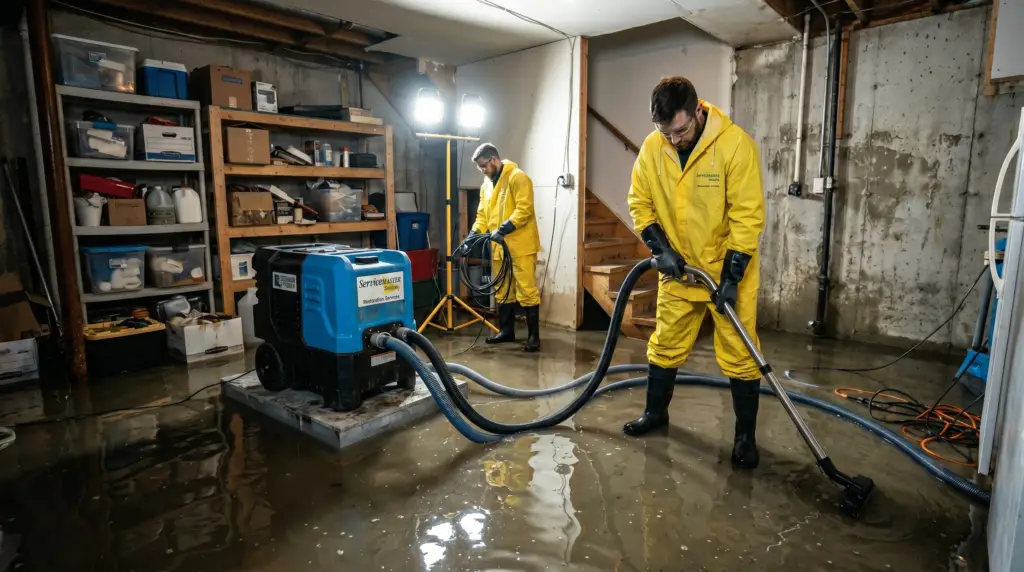
Next comes water extraction. High-powered pumps and vacuums remove standing water quickly to minimize further absorption into building materials.
After extraction, industrial air movers and dehumidifiers begin the structural drying process. Technicians monitor moisture levels daily, adjusting equipment placement until all affected materials reach acceptable dryness.
Cleaning and sanitizing follow once drying is complete. Surfaces are disinfected as needed, odors are treated, and salvageable contents are cleaned.
Tips for Homeowners Before Help Arrives
The moments immediately after discovering water damage can be stressful. Taking the right actions while waiting for restoration professionals can help reduce additional damage and improve safety.
If safe, shut off the water supply to stop the leak. Turn off electricity in affected areas whenever water is near electrical outlets or appliances. Avoid walking through standing water until potential electrical hazards have been eliminated.
Move valuable belongings, electronics, documents, and small furniture away from wet areas whenever possible. Placing aluminum foil or wood blocks beneath furniture legs can help reduce staining on wet carpets.
Avoid attempting major demolition or using household heaters to speed drying. Excessive heat can warp materials while hidden moisture remains trapped inside walls and flooring.
Document the damage with photographs and videos before cleanup begins. Detailed documentation may assist during the insurance claims process.
Long-Term Benefits of Acting Quickly
Responding immediately to water damage offers benefits that extend well beyond the initial cleanup. Fast restoration helps preserve your property’s value by preventing structural deterioration and minimizing permanent material damage.
Prompt drying also reduces the likelihood of mold remediation, which can significantly increase restoration costs if moisture remains untreated for several days. Preventing mold protects indoor air quality and helps maintain a healthier living environment.
Quick restoration shortens overall project timelines. When materials dry successfully instead of requiring replacement, homeowners often return to normal routines much sooner.
Insurance claims may also proceed more smoothly when property owners demonstrate that they acted responsibly to prevent additional damage after discovering the loss.
Conclusion
Water damage should never be ignored, even if it appears minor at first. The first 24 to 48 hours are critical for preventing mold, reducing structural damage, and minimizing repair costs. Fast water damage restoration improves the chances of saving flooring, drywall, furniture, and other valuable materials while helping restore your property safely and efficiently.
If your home or business has experienced water damage, don’t wait for the problem to worsen. ServiceMaster Restoration Services proudly provides professional restoration services throughout Lisle, using advanced equipment and proven techniques to restore properties quickly and thoroughly. Contact the experienced team today at +1 630-241-1111 to schedule immediate assistance and protect your property from further damage.
https://www.spreaker.com/episode/how-fast-should-water-damage-be-cleaned-up–74696757
https://www.podomatic.com/podcasts/celestinaheavenly9podcast/episodes/2026-08-26T05_06_45-07_00
https://stream.redcircle.com/episodes/9c56160a-809e-44d4-94dc-bcab87fddd32/stream.mp3