Water damage can happen without warning, whether it’s caused by a burst pipe, heavy rainfall, appliance failure, or an overflowing sink. When water enters a property, acting quickly is essential to reduce structural damage, prevent mold growth, and protect valuable belongings. Water damage restoration is the professional process of removing excess water, drying affected areas, cleaning contaminated surfaces, and restoring the property to a safe, functional condition.
Understanding how water damage restoration works helps homeowners and business owners make informed decisions during an emergency. Every step, from the initial inspection to the final repairs, plays an important role in minimizing long-term damage and reducing repair costs. This guide explains the complete restoration process, why professional services matter, and what you can expect when restoring your property after water damage.
The First Step Is a Complete Damage Assessment
The restoration process begins with a detailed inspection of the affected property. Restoration professionals evaluate the source of the water, determine how far the moisture has spread, and identify any safety hazards before beginning cleanup.
Using advanced moisture meters, thermal imaging cameras, and inspection tools, technicians detect hidden water trapped behind walls, beneath flooring, and inside ceilings. Even areas that appear dry on the surface may contain significant moisture that can cause future problems if overlooked.
The type of water involved also influences the restoration strategy. Clean water from a supply line requires a different approach than gray water from appliances or black water from sewage backups. Correctly identifying the contamination level ensures proper cleaning and sanitation procedures.
A thorough assessment also helps create an accurate restoration plan. By documenting the extent of damage early, restoration professionals can prioritize affected areas, estimate timelines, and determine which materials can be saved and which require replacement.
Water Extraction Happens as Quickly as Possible
One of the most critical stages of water damage restoration is removing standing water immediately. The longer water remains inside a building, the more damage it causes to flooring, drywall, insulation, furniture, and structural components.
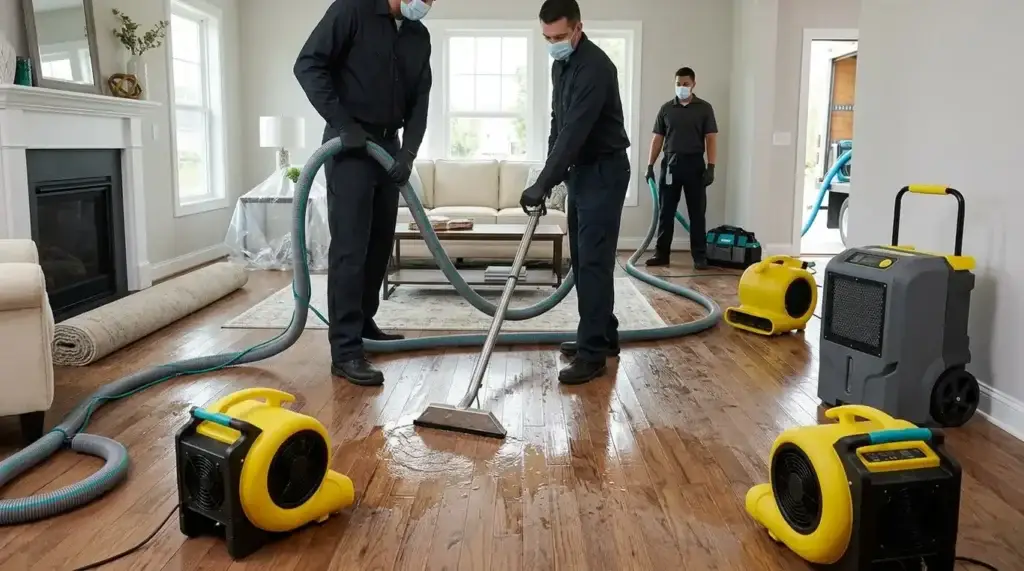
Professional restoration teams use powerful pumps and industrial-grade wet vacuums to remove water rapidly. These commercial machines extract far more water than household equipment, significantly reducing drying time.
Fast extraction also helps reduce swelling in wood materials, minimizes carpet damage, and limits moisture absorption into structural framing. Early removal greatly decreases the likelihood of mold development.
Once visible water has been extracted, technicians inspect the property again to ensure hidden pockets of moisture are identified before the drying phase begins. This careful transition prevents trapped water from creating future structural or health concerns.
Drying and Dehumidification Remove Hidden Moisture
After standing water is removed, surfaces may still contain large amounts of moisture. This makes professional drying one of the most important phases of water damage restoration.
Industrial air movers increase airflow across wet surfaces while commercial dehumidifiers remove moisture from the air. Together, these systems accelerate evaporation and help restore safe indoor humidity levels.
Drying typically takes several days depending on the severity of the damage, the size of the property, and environmental conditions. Throughout the process, technicians monitor moisture levels daily to verify that materials are drying correctly.
Without thorough drying, moisture trapped inside walls, flooring, and insulation can encourage mold growth, weaken structural materials, and create unpleasant odors. Professional monitoring ensures every affected area reaches acceptable moisture levels before restoration continues.
Cleaning and Sanitizing Restore a Healthy Environment
Once the property is dry, restoration professionals begin cleaning and sanitizing affected areas. Water damage often leaves behind dirt, bacteria, odors, and contaminants that require specialized treatment.
Hard surfaces are cleaned using professional disinfectants designed to eliminate harmful microorganisms. Carpets, upholstery, and personal belongings may undergo specialized cleaning techniques depending on the type of damage and contamination.
Air scrubbers equipped with HEPA filtration help improve indoor air quality by removing airborne particles that may remain after water exposure. Odor removal treatments further restore comfort inside the property.
Sanitizing is especially important after flooding or sewage-related incidents because contaminated water may contain bacteria, viruses, and other hazardous substances. Proper cleaning helps ensure the property is safe for occupants before reconstruction begins.
Mold Prevention Is a Major Priority
Moisture creates the perfect conditions for mold growth, making prevention a key objective throughout the restoration process. Mold can begin developing within 24 to 48 hours after water exposure if moisture remains untreated.
Technicians inspect vulnerable areas carefully, including drywall, insulation, crawl spaces, ceilings, and behind cabinetry. Moisture detection equipment helps locate hidden damp areas before mold colonies develop.
When necessary, antimicrobial treatments are applied to inhibit microbial growth on affected building materials. These preventive measures help reduce future restoration costs while protecting indoor air quality.
If mold has already developed before restoration begins, additional remediation procedures may be required before reconstruction can safely continue. Addressing mold early protects both the structure and the health of everyone using the property.
Damaged Materials May Need Removal and Replacement
Not every building material can be successfully restored after severe water exposure. During water damage restoration, technicians determine which materials remain structurally sound and which require replacement.
Items such as saturated drywall, insulation, carpeting, and ceiling tiles may need removal if drying cannot restore them safely. Severely damaged wood flooring or cabinetry may also require replacement depending on the extent of deterioration.
Removing compromised materials prevents future structural problems while allowing hidden areas to dry completely. It also reduces the risk of lingering odors and microbial growth.
Professional restoration teams aim to preserve as much of the original property as possible, helping minimize repair costs while ensuring the building remains safe, durable, and fully functional.
Restoration and Repairs Return the Property to Normal
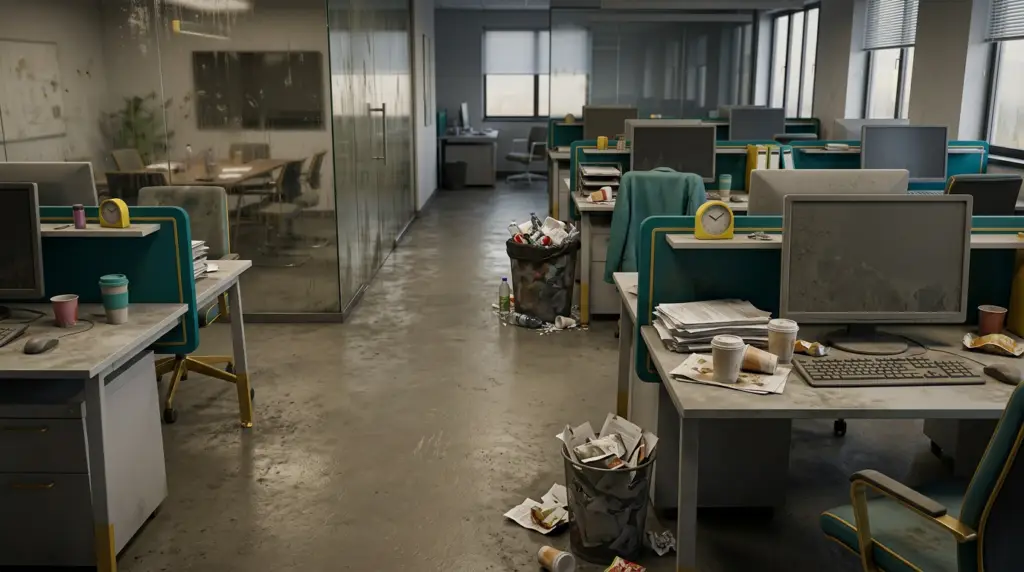
Once cleaning and drying are complete, the restoration phase focuses on returning the property to its original condition. Depending on the severity of the damage, repairs may range from replacing drywall to rebuilding entire rooms.
Common restoration work includes painting, installing new flooring, replacing insulation, repairing ceilings, reinstalling trim, and restoring damaged cabinetry. Larger projects may involve structural framing repairs.
Throughout the process, professionals coordinate repairs efficiently to reduce disruption while maintaining quality workmanship. Every repair is completed with the goal of restoring both appearance and functionality.
Successful restoration ensures the property is safe, comfortable, and prepared for normal everyday use once again.
Why Professional Restoration Services Make a Difference
Although minor spills can often be handled independently, significant water damage requires professional expertise. Restoration companies have specialized equipment, trained technicians, and proven procedures that produce more effective results than standard household methods.
Professionals understand how moisture moves through building materials and know where hidden water commonly collects. Their experience allows them to identify problems before they become expensive structural repairs.
Hiring experts also reduces the likelihood of mold growth, minimizes long-term damage, and shortens the overall recovery process. Many restoration companies also assist with documenting damage for insurance claims, helping simplify the recovery experience.
Choosing experienced professionals provides peace of mind knowing the property has been restored safely, thoroughly, and according to industry standards.
Conclusion
Understanding how water damage restoration actually works helps property owners respond quickly and make informed decisions after unexpected water damage. From inspection and water extraction to drying, sanitizing, mold prevention, and final repairs, every stage is designed to restore your property safely while preventing future problems. Acting promptly can significantly reduce repair costs and minimize long-term structural damage.
If you need dependable restoration services in Lisle, ServiceMaster Restoration Services is ready to help. Their experienced team provides fast, professional solutions to restore homes and businesses after water damage. For immediate assistance or to learn more about their restoration services, contact ServiceMaster Restoration Services at +1 630-241-1111.
https://www.spreaker.com/episode/how-does-water-damage-restoration-actually-work–73110180
https://www.podomatic.com/podcasts/ginawashingt90podcast/episodes/2026-07-22T08_54_43-07_00
https://stream.redcircle.com/episodes/d308ec3c-f892-46a9-bab1-52040b6de731/stream.mp3