Don’t Delay Taking Action
One of the biggest mistakes after discovering water damage is waiting too long before responding. Many people assume the water will dry on its own or believe the damage is only cosmetic. Unfortunately, moisture spreads quickly into flooring, drywall, insulation, and wooden framing.
Within the first day, damp materials begin absorbing more water than they can safely hold. This weakens structural components and creates ideal conditions for mold growth. Even a small leak can become a much larger restoration project if ignored.
Quick action limits the extent of damage and reduces repair costs. Shutting off the water source, documenting the damage, and contacting restoration professionals should happen as soon as possible. Fast response also improves the chances of saving furniture, flooring, and personal belongings.
The sooner restoration begins, the easier it is to remove moisture before it causes permanent damage.
Avoid Using Electrical Appliances in Wet Areas
Safety should always come before cleanup. Water and electricity create a dangerous combination that can lead to severe injury or even electrocution.
If water has reached electrical outlets, appliances, extension cords, or your breaker panel, avoid touching anything until the power has been safely disconnected. Walking through standing water near energized electrical equipment is especially hazardous.
Even if appliances appear undamaged, internal electrical components may have been affected by moisture. Turning them on without inspection could cause electrical shorts or fires.
If you’re unsure whether an area is safe, contact your utility provider or a licensed electrician before entering. Restoration professionals also evaluate electrical hazards as part of the inspection process.
Protecting yourself and your family is always the first priority after water damage.
Don’t Assume Everything Can Be Saved
Many homeowners hope every damaged item can be restored, but not all materials recover after prolonged exposure to water.
Porous materials like insulation, ceiling tiles, carpeting, mattresses, and certain upholstered furniture often absorb contaminated water deeply. Depending on the water category and exposure time, these items may become unsafe to keep.
Attempting to salvage heavily contaminated belongings can introduce bacteria, mold spores, and unpleasant odors back into your home.
Professional restoration teams inspect each item individually to determine whether cleaning, drying, or replacement is the safest option. Their recommendations are based on industry standards rather than appearance alone.
Replacing unsalvageable materials may feel disappointing, but it often prevents larger health and structural problems later.
Never Ignore Hidden Moisture
Visible water is only part of the problem. Much of the moisture travels behind walls, beneath flooring, inside insulation, and into structural framing where it cannot be seen.
Without specialized moisture meters and thermal imaging equipment, hidden water can remain trapped for weeks. During that time, wood may warp, drywall can deteriorate, and mold colonies may begin growing unnoticed.
Simply drying visible surfaces rarely removes all trapped moisture. Fans alone are usually insufficient for deep drying after significant water intrusion.
Professional drying equipment removes moisture from concealed areas while monitoring humidity levels throughout the process. Thorough drying protects the home’s structure and prevents future complications.
Ignoring hidden moisture often leads to expensive repairs months after the original incident appears resolved.
Avoid Cleaning With the Wrong Products
After water damage, many homeowners reach for household cleaners or bleach. While these products may seem helpful, they often fail to solve the underlying problem.
Bleach does not effectively penetrate porous building materials where mold roots can develop. In some cases, it may discolor surfaces or create harmful fumes when mixed with other chemicals.
Using excessive water during cleaning can also introduce additional moisture into already saturated materials.
Instead, damaged areas should be cleaned using products designed specifically for restoration and sanitation. Professionals choose cleaning agents based on the type of water involved and the affected materials.
Using the correct cleaning methods helps eliminate contaminants while protecting surfaces from unnecessary damage.
Don’t Skip Documentation for Insurance
Many property owners begin cleaning immediately and forget to document the damage first. This can complicate the insurance claims process.
Take clear photographs and videos of every affected room before moving furniture or removing damaged materials. Capture water lines, damaged flooring, walls, ceilings, appliances, and personal belongings from multiple angles.
Keep receipts for emergency purchases, temporary repairs, hotel stays, and restoration services. Detailed records help demonstrate the full extent of your losses.
Insurance adjusters often rely on documentation when evaluating claims. Organized evidence can make the process smoother and reduce disputes over coverage.
Good documentation protects both your financial interests and your ability to recover after a loss.
Avoid Trying Major Repairs Yourself
DIY projects can be rewarding, but major water damage restoration is rarely one of them. Serious water damage requires specialized equipment, technical knowledge, and careful moisture monitoring.
Removing drywall, lifting flooring, drying structural framing, and treating microbial contamination involve more than basic home improvement skills. Improper repairs may trap moisture inside walls and create long-term problems.
Inexperienced repairs can also affect insurance claims if damage worsens because restoration standards were not followed.
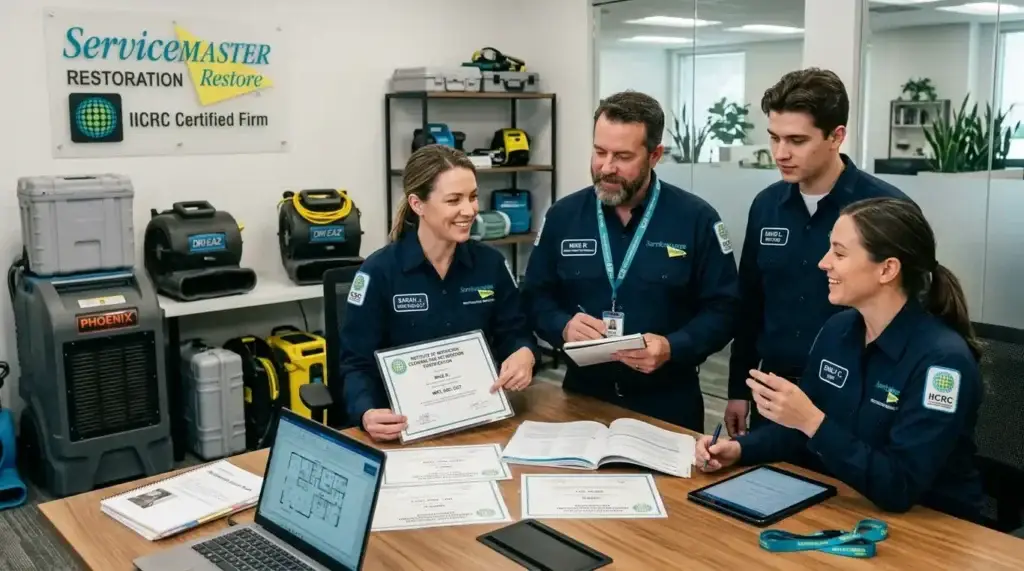
Professional restoration technicians use commercial-grade dehumidifiers, air movers, moisture meters, and drying systems designed to restore buildings safely and efficiently.
Hiring experienced professionals often saves time, reduces future repair costs, and provides greater peace of mind.
Don’t Move Back Too Soon
Many homeowners are eager to return to normal life, but moving back into a property before restoration is complete can create additional risks.
Lingering moisture may still exist inside walls or beneath flooring even when surfaces appear dry. Remaining humidity encourages mold growth and can damage newly repaired materials.
Air quality should also be evaluated before reoccupying the property. Water damage may introduce mold spores, bacteria, and other airborne contaminants that require proper remediation.
Restoration professionals verify that moisture levels have returned to acceptable standards before declaring the property dry.
Waiting until the restoration process is fully complete helps ensure your home remains safe, comfortable, and protected from recurring damage.
Trust Professionals for Proper Recovery
While immediate actions matter, long-term success depends on proper restoration techniques. Every water damage situation is different, requiring customized drying plans based on the source of water, affected materials, and severity of damage.
Experienced restoration specialists understand how moisture behaves inside buildings. They monitor drying progress daily, adjust equipment as needed, and verify complete moisture removal before repairs begin.
Professional services also help reduce the likelihood of mold growth, structural deterioration, and recurring odors that often result from incomplete drying.
Choosing qualified restoration experts gives homeowners confidence that the property has been restored safely and thoroughly.
Quality restoration protects both your investment and the health of everyone living or working in the building.
Conclusion
Knowing what to avoid after water damage occurs is just as important as knowing what steps to take. Delaying action, ignoring hidden moisture, using improper cleaning methods, attempting major repairs yourself, or skipping documentation can all make the situation worse. Responding quickly and relying on experienced professionals helps reduce damage, prevent mold, and restore your property more efficiently. If you need dependable restoration services in Lisle, contact ServiceMaster Restoration Services for prompt, professional assistance. Their experienced team is ready to assess the damage, begin restoration, and help you recover as quickly as possible. Call +1 630-241-1111 today to schedule an inspection and protect your home or business from further damage.
https://www.podomatic.com/podcasts/celestinaheavenly9podcast/episodes/2026-08-26T05_21_07-07_00
https://stream.redcircle.com/episodes/e2ccd8e1-8722-4d4d-9074-906530544cb0/stream.mp3