Why Immediate Water Damage Response Matters
Not every water leak turns into a disaster, but many emergencies begin with what appears to be a minor problem. Water follows the path of least resistance, meaning it can quickly spread beneath flooring, inside drywall, and into hidden spaces where damage continues unnoticed.
The first 24 to 48 hours are often the most critical. Moisture trapped inside building materials creates ideal conditions for mold growth, wood rot, and deterioration. The longer water remains, the more expensive repairs typically become.
Fast response also protects valuable belongings. Furniture, electronics, important documents, flooring, and sentimental items often have a much better chance of being restored when professionals begin drying immediately.
Professional restoration teams use specialized equipment to detect hidden moisture that homeowners cannot easily see. Moisture meters, thermal imaging cameras, industrial air movers, and commercial dehumidifiers remove water far more effectively than household fans.
Quick action also reduces business interruptions for commercial properties. Whether it’s an office, retail store, or warehouse, minimizing downtime helps businesses recover faster and avoid unnecessary financial losses.
Understanding the importance of a rapid response helps property owners recognize why delaying cleanup can transform a manageable issue into a major restoration project.
Signs Your Water Damage Is an Emergency
Some water problems clearly require immediate professional attention, while others may seem less urgent until serious damage develops.
One major warning sign is standing water inside your home or business. Even a few inches of water can damage flooring, furniture, drywall, and electrical systems. The larger the affected area, the greater the urgency.
Water coming from a clean source, such as a broken supply line, may initially appear harmless. However, it can quickly become contaminated as it contacts building materials, dirt, and bacteria.
Another emergency indicator is water entering through ceilings. Ceiling leaks often suggest plumbing failures or roof damage and may signal that structural materials are becoming saturated.
Rapidly spreading moisture stains, bubbling paint, warped flooring, sagging ceilings, and strong musty odors all suggest that hidden water is actively damaging your property.
Electrical hazards should never be ignored. Water near outlets, appliances, breaker panels, or exposed wiring significantly increases the risk of electrical shock and requires immediate attention.
When multiple warning signs occur together, contacting a restoration professional right away can help prevent widespread structural damage and health hazards.
Common Causes of Emergency Water Damage
Water emergencies occur for many different reasons, often without warning.
Burst pipes are among the most common causes. Freezing temperatures, aging plumbing, corrosion, or excessive water pressure can cause pipes to rupture, releasing hundreds of gallons of water within hours.
Water heater failures also create sudden flooding. A leaking or ruptured tank can quickly soak nearby flooring, drywall, and stored belongings.
Overflowing appliances frequently contribute to emergency situations. Washing machines, dishwashers, refrigerators, and air conditioning systems can leak unexpectedly due to clogged lines or mechanical failures.
Severe weather presents another major threat. Heavy rain, roof leaks, overflowing gutters, and storm-related flooding often allow water to enter homes through windows, foundations, and damaged roofing materials.
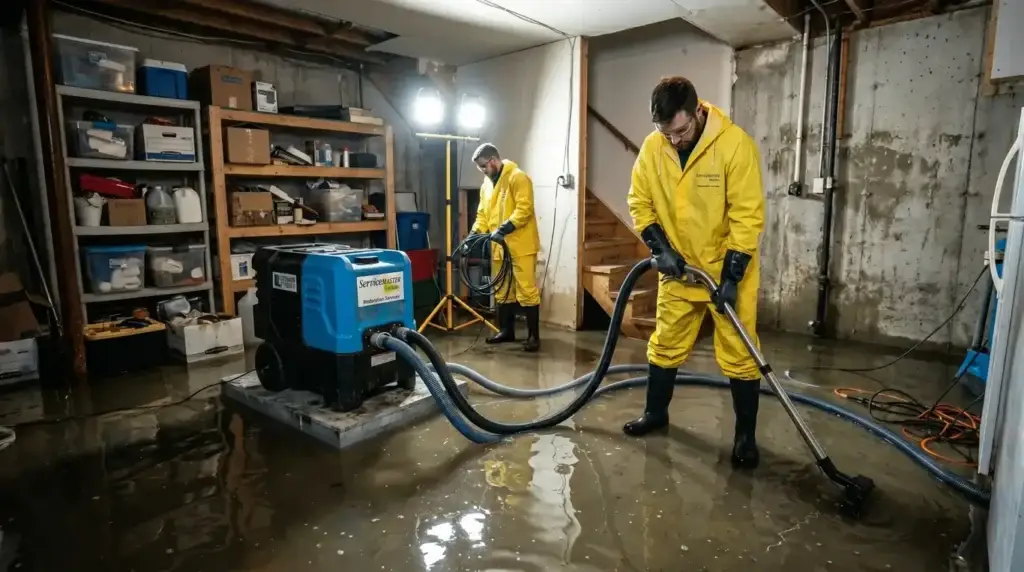
Sewer backups are especially dangerous because they involve contaminated water containing bacteria and harmful pathogens. These situations require specialized cleanup procedures and protective equipment.
Natural disasters, plumbing failures, appliance malfunctions, and roof damage all have one thing in common—they require rapid assessment to minimize long-term property damage.
When Water Damage Becomes a Health Hazard
Water damage isn’t only about property loss. It can also create serious health concerns if not addressed quickly.
Standing water becomes a breeding ground for bacteria, especially when the source involves sewage, floodwater, or contaminated plumbing systems. Exposure can lead to illness through direct contact or airborne contaminants.
Mold growth often begins within 24 to 48 hours under favorable conditions. Mold spores spread through the air and may trigger allergies, asthma, respiratory irritation, headaches, and other health problems.
Hidden moisture inside walls and flooring is particularly concerning because mold can develop without being immediately visible. By the time discoloration appears, colonies may already be well established.
Contaminated floodwater frequently contains chemicals, pesticides, fuel, sewage, and other hazardous materials. Professional cleanup ensures proper sanitization and reduces exposure risks.
Individuals with weakened immune systems, children, older adults, and those with respiratory conditions are especially vulnerable to poor indoor air quality caused by water damage.
What to Do During a Water Damage Emergency
The first priority during any water emergency is ensuring everyone’s safety.
If water is approaching electrical outlets or appliances, turn off electricity only if it is safe to do so. Never enter standing water when electrical hazards may be present.
Next, stop the source of water whenever possible. Shut off the main water supply if a plumbing failure is responsible. If severe weather is causing roof leaks or flooding, avoid attempting dangerous repairs during the storm.
Move valuable belongings away from affected areas if it can be done safely. Furniture, electronics, documents, and personal items may be salvageable if removed before extensive water exposure.
Avoid using household vacuums to remove standing water because they are not designed for flood conditions and may create electrical hazards.
Contact professional restoration specialists immediately so they can begin water extraction, moisture detection, drying, cleaning, and sanitization as soon as possible.
How Professional Restoration Companies Handle Emergencies
Professional restoration teams follow a structured process designed to restore properties efficiently.
The first step involves a comprehensive inspection. Technicians identify the water source, determine contamination levels, and assess the extent of hidden moisture throughout the building.
Water extraction begins immediately using commercial-grade pumps and extraction equipment. Removing standing water quickly significantly reduces additional damage.
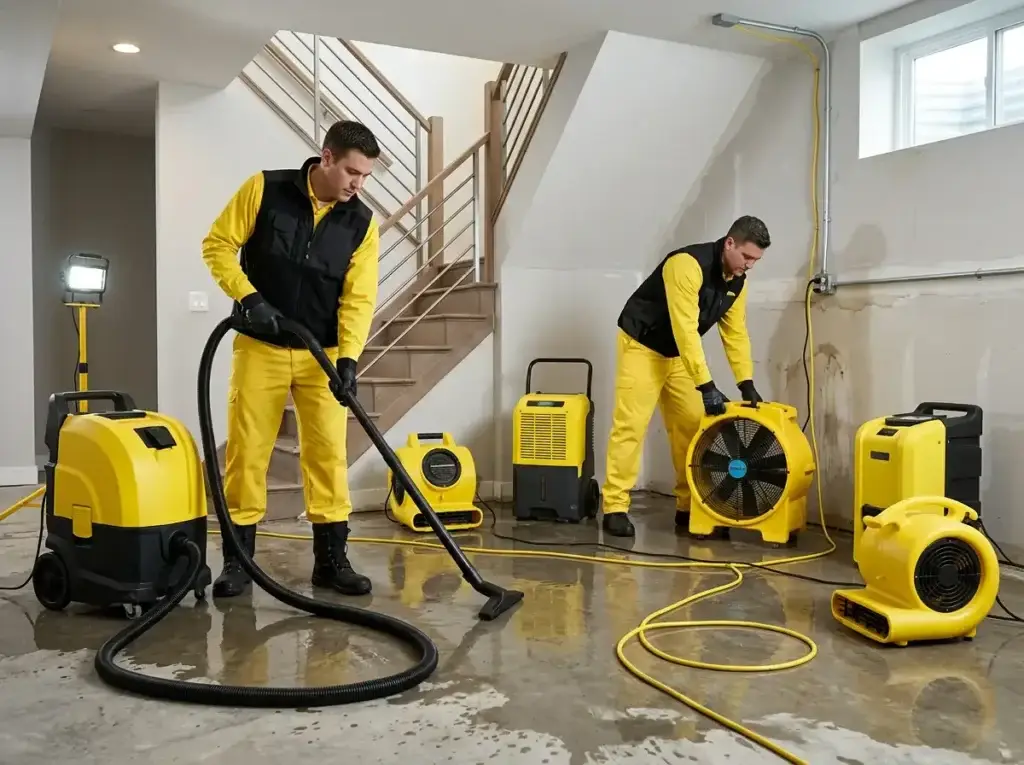
After extraction, industrial air movers and dehumidifiers dry structural materials including flooring, walls, ceilings, and framing. Moisture monitoring continues throughout the drying process to ensure complete drying.
Cleaning and sanitization eliminate bacteria, odors, and contaminants. Depending on the source of the water, antimicrobial treatments may also be applied to reduce microbial growth.
Damaged materials beyond repair are removed, while salvageable materials are restored whenever possible.
Can Insurance Cover Water Damage Emergencies?
Insurance coverage depends largely on the cause of the water damage.
Most homeowners insurance policies typically cover sudden and accidental events such as burst pipes, appliance failures, or accidental plumbing leaks. However, gradual leaks caused by neglected maintenance may not qualify.
Flood damage from rising natural waters often requires separate flood insurance. Standard homeowners policies generally exclude flooding unless additional coverage has been purchased.
Documentation plays an important role in the claims process. Taking photographs, preserving damaged belongings when possible, and keeping records of emergency mitigation efforts can support your claim.
Many restoration companies assist homeowners by documenting damage and working directly with insurance adjusters. Their reports, moisture readings, and detailed restoration records often help simplify the claims process.
Preventing Future Water Damage Emergencies
Although not every emergency can be prevented, regular maintenance greatly reduces the risk.
Inspect plumbing fixtures, supply lines, and appliances periodically for leaks or corrosion. Replacing aging hoses and fittings before they fail can prevent major flooding.
Keep gutters and downspouts clean to direct rainwater away from your home’s foundation. Proper drainage reduces basement flooding and foundation moisture problems.
Inspect your roof regularly for damaged shingles, flashing, and signs of deterioration. Prompt roof repairs help prevent water intrusion during heavy storms.
Consider installing water leak detection systems that automatically shut off the main water supply when unusual water flow is detected. These devices provide an additional layer of protection for homeowners.
Conclusion
Recognizing what qualifies as a water damage emergency allows property owners to respond before minor issues become major disasters. Standing water, burst pipes, sewer backups, ceiling leaks, storm damage, and electrical hazards all require immediate attention to minimize structural damage and reduce health risks. Acting quickly also improves the chances of saving valuable belongings and lowering restoration costs.
If you experience an unexpected water emergency, don’t wait for the damage to spread. ServiceMaster Restoration Services proudly provides professional water damage restoration services for homeowners and businesses throughout Lisle. Our experienced team responds quickly with advanced equipment to restore your property safely and efficiently. For immediate assistance or to schedule an inspection, call +1 630-241-1111 today.
https://www.podomatic.com/podcasts/celestinaheavenly9podcast/episodes/2026-08-26T05_18_31-07_00
https://stream.redcircle.com/episodes/62bdea4c-3976-483f-8954-a9a39be30774/stream.mp3