Water damage can happen unexpectedly due to burst pipes, flooding, appliance leaks, or severe weather conditions. When moisture enters a property, it can quickly affect structural materials, damage belongings, and create conditions that encourage mold growth. This is why professional Water Damage Restoration is essential for protecting both residential and commercial properties.
Experts follow proven methods and industry standards to restore affected areas safely and efficiently. Their goal is not only to remove water but also to prevent long-term issues that could compromise the integrity of a building. Understanding how professionals approach the restoration process can help property owners make informed decisions during emergencies. In this article, we’ll explore the key steps experts take to ensure safe and effective restoration after water damage occurs.
Understanding the Extent of Water Damage
The first step in any restoration project is assessing the severity of the damage. Professionals carefully inspect the property to identify affected areas, determine the source of water intrusion, and evaluate potential safety hazards. This assessment provides a clear picture of the restoration work required.
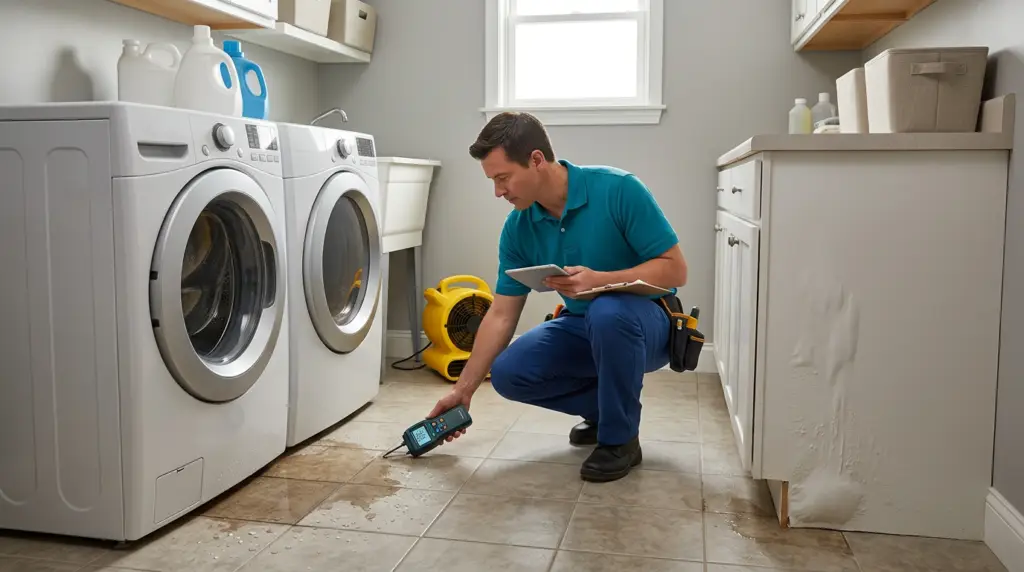
Specialized moisture detection equipment allows technicians to identify hidden water behind walls, beneath flooring, and within structural components. Without proper inspection, trapped moisture can remain unnoticed and lead to future complications.
Experts also classify the water source, whether it is clean water, gray water, or contaminated black water. Each category requires different handling procedures and safety precautions. Accurate assessment helps restoration teams develop a targeted plan that minimizes risks and speeds up recovery.
Prioritizing Safety Before Restoration Begins
Safety is a critical concern during restoration projects. Before entering affected areas, professionals evaluate potential hazards such as electrical risks, weakened structures, and contaminated water exposure.
If standing water is present near electrical systems, power may need to be shut off until conditions are safe. Structural evaluations help identify weakened ceilings, walls, or floors that could pose dangers to occupants and workers.
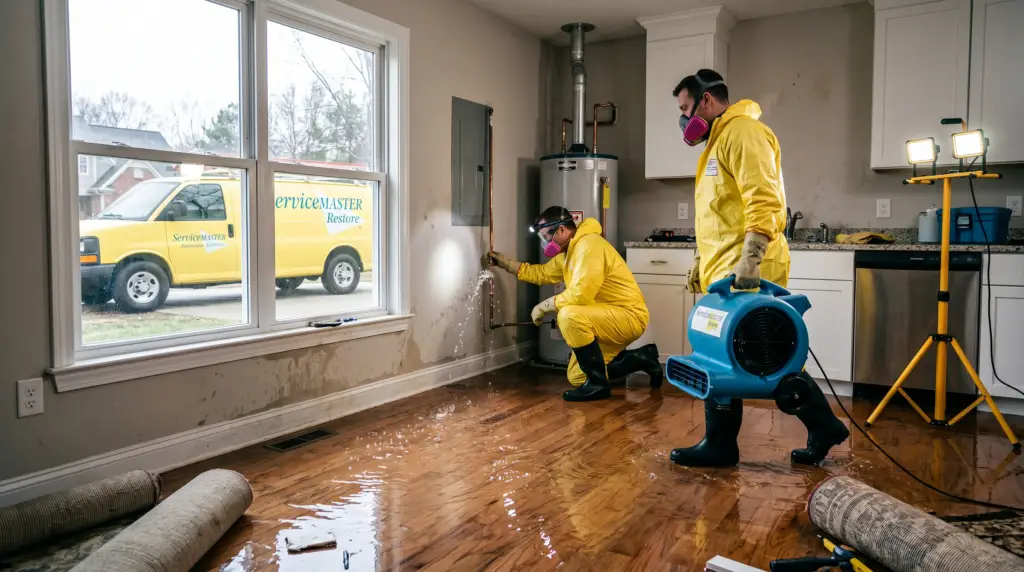
Restoration teams use personal protective equipment (PPE), including gloves, protective suits, eye protection, and respirators when necessary. These precautions reduce exposure to contaminants and ensure safe working conditions throughout the restoration process.
By addressing safety concerns first, experts create a controlled environment that allows restoration work to proceed effectively while minimizing risks.
Removing Standing Water Efficiently
Once safety measures are in place, professionals begin extracting standing water from the property. Rapid water removal is essential because prolonged exposure increases damage to building materials and furnishings.
Industrial-grade pumps and extraction units remove large volumes of water much faster than household equipment. Quick extraction helps reduce saturation levels and prevents water from spreading further throughout the structure.
During this stage, technicians pay close attention to hidden pockets of water that may collect in low areas or enclosed spaces. Thorough extraction creates a strong foundation for the remaining restoration process.
Efficient water removal significantly reduces drying time and helps limit the overall impact of the damage on the property.
Drying and Dehumidifying Affected Areas
After standing water is removed, moisture often remains trapped within materials and indoor air. Professional drying and dehumidification are necessary to eliminate this residual moisture completely.
Experts use commercial air movers and dehumidifiers to accelerate evaporation and reduce humidity levels. Proper equipment placement ensures consistent airflow throughout affected spaces.
Moisture readings are taken regularly to monitor progress and verify that drying goals are being achieved. This data-driven approach helps technicians determine when materials have returned to acceptable moisture levels.
Without thorough drying, hidden moisture can contribute to structural deterioration and mold development. Professional drying techniques help ensure long-term stability and protection for the property.
Preventing Mold Growth During Restoration
Mold can begin developing within a short period when moisture remains present. Preventing mold growth is a major objective of professional Water Damage Restoration services.
Technicians identify areas that are especially vulnerable to microbial growth and apply appropriate treatments when necessary. Antimicrobial products may be used to help inhibit mold development on affected surfaces.
Proper drying plays a significant role in mold prevention. By removing moisture quickly and maintaining controlled humidity levels, restoration teams reduce the conditions that mold requires to thrive.
Ongoing monitoring helps verify that moisture levels remain under control throughout the restoration process. These proactive measures help protect indoor air quality and reduce future remediation needs.
Cleaning and Sanitizing the Property
Water damage often leaves behind dirt, debris, bacteria, and unpleasant odors. Thorough cleaning and sanitization are essential for restoring a safe and healthy environment.
Professionals use specialized cleaning agents designed for different types of surfaces and contamination levels. Soft furnishings, carpets, and hard surfaces may require separate cleaning methods depending on their condition.
Sanitization helps eliminate harmful microorganisms that may have been introduced by water intrusion. Odor removal techniques are also used to address lingering smells caused by moisture and contamination.
A comprehensive cleaning process improves the property’s appearance while ensuring a healthier environment for occupants returning after restoration is complete.
Restoring Damaged Building Materials
Some building materials can be salvaged after water exposure, while others require replacement. Restoration professionals carefully evaluate each component to determine the most effective solution.
Drywall, insulation, flooring, cabinetry, and trim are commonly affected during water-related incidents. Technicians remove unsalvageable materials while preserving those that can be safely restored.
Repairs may range from minor cosmetic work to extensive reconstruction depending on the extent of damage. The objective is to return the property to its pre-loss condition while maintaining structural integrity.
By combining restoration and repair services, professionals help property owners recover more quickly and efficiently after significant water events.
Using Advanced Technology for Accurate Results
Modern restoration companies rely on advanced technology to improve efficiency and accuracy. These tools help technicians detect hidden moisture, monitor drying progress, and document restoration activities.
Thermal imaging cameras reveal moisture patterns that may not be visible during standard inspections. Moisture meters provide precise readings that guide drying decisions and confirm successful restoration.
Digital documentation supports communication between restoration teams, property owners, and insurance providers. Accurate records help streamline claims and improve project transparency.
Technology enables restoration professionals to make informed decisions and deliver more reliable outcomes throughout the restoration process.
Why Professional Expertise Matters
Handling water damage without professional assistance can increase the risk of incomplete drying, mold growth, and long-term structural issues. Experienced restoration specialists bring knowledge, equipment, and proven procedures to every project.
Professionals understand industry standards and know how to adapt restoration strategies based on the specific conditions of each property. Their expertise helps ensure efficient recovery while minimizing disruptions.
The restoration process involves multiple interconnected steps that require careful coordination. Trained technicians can identify hidden concerns that property owners may overlook.
Choosing professional services often results in faster recovery, reduced risks, and greater confidence that the property has been restored safely and thoroughly.
Conclusion
Safe and effective Water Damage Restoration involves much more than simply removing visible water. Professionals begin with a thorough assessment, prioritize safety, extract standing water, dry affected materials, prevent mold growth, sanitize contaminated areas, and restore damaged building components. Advanced equipment and industry expertise help ensure every stage of the process is completed correctly and efficiently.
If your home or business experiences water damage, working with experienced restoration specialists can help protect your property and reduce long-term complications. For reliable restoration services in Lisle, Illinois, contact ServiceMaster Restoration Services at +1 630-241-1111. Their skilled team is ready to respond quickly and help restore your property with professional care and attention to detail.