Water damage can happen without warning, whether from a burst pipe, flooding, roof leaks, or appliance malfunctions. When water enters a property, every minute matters. Fast Water Damage Restoration is essential because moisture can quickly spread through walls, floors, furniture, and structural materials, causing extensive damage that becomes more expensive to repair over time.
Many property owners underestimate how rapidly water damage progresses. Within hours, materials begin absorbing moisture, and within days, mold growth can develop. Prompt action helps minimize structural deterioration, protects personal belongings, and reduces overall restoration costs. Understanding why immediate restoration is so important can help homeowners and business owners make informed decisions when facing unexpected water emergencies. This article explores the key reasons why acting quickly after water damage can make a significant difference in protecting your property and investment.
Water Damage Spreads Faster Than Most People Realize
Water has a remarkable ability to travel throughout a building. Once it enters a structure, it can seep through flooring, penetrate drywall, soak insulation, and spread into hidden spaces behind walls. What may appear to be a small water issue on the surface often affects a much larger area beneath.
The longer water remains untreated, the more extensive the damage becomes. Moisture can weaken structural components and compromise the integrity of building materials. Even small leaks can create significant problems if left unaddressed.
Professional restoration teams use advanced moisture detection equipment to identify affected areas that may not be visible. Early intervention prevents water from spreading further and reduces the scope of necessary repairs.
Fast response is critical because controlling the spread of water significantly improves restoration outcomes and helps preserve the property’s original condition.
Mold Growth Can Begin Within Days
One of the most serious consequences of delayed restoration is mold growth. Mold thrives in damp environments and can begin developing within 24 to 48 hours after water exposure.
Once mold colonies establish themselves, they can spread rapidly throughout a property. Mold often grows in hidden areas such as behind walls, under flooring, and inside ceilings, making it difficult to detect without professional inspection.
Mold contamination can damage building materials and create unpleasant odors. It often requires specialized remediation procedures that add significant costs to the restoration process.
By addressing water intrusion immediately, property owners can reduce moisture levels before mold has an opportunity to develop. Quick drying and dehumidification are essential components of effective water damage recovery.
Preventing mold growth is one of the most important reasons to seek professional assistance as soon as water damage occurs.
Structural Damage Increases Over Time
Building materials are designed to withstand normal environmental conditions, but prolonged exposure to water can severely weaken their strength and durability.
Wood may warp, swell, and rot when saturated. Drywall can lose its structural integrity and begin crumbling. Insulation often becomes ineffective after absorbing moisture, while flooring materials can buckle or separate.
As water continues to penetrate structural components, the cost and complexity of repairs increase significantly. What could have been a minor repair may eventually require major reconstruction.
Immediate restoration efforts focus on removing excess water and drying affected materials before irreversible damage occurs. This proactive approach helps preserve the structural integrity of the property.
The sooner restoration begins, the greater the likelihood that existing materials can be saved rather than replaced.
Protecting Personal Belongings and Valuable Assets
Water damage affects more than just the building itself. Personal belongings, furniture, electronics, documents, and sentimental items are also at risk.
Many possessions can be salvaged if restoration begins quickly. Professional restoration specialists use specialized drying techniques and cleaning methods designed to recover valuable items before permanent damage occurs.
Paper documents, photographs, artwork, and electronics are particularly vulnerable to moisture exposure. Extended contact with water can make recovery impossible.
Fast restoration improves the chances of preserving important belongings and minimizing emotional stress associated with property loss.
For businesses, quick action is equally important because water damage can impact inventory, equipment, and operational continuity. Prompt intervention helps reduce disruption and financial losses.
Lower Restoration Costs Through Early Action
One of the most practical reasons for immediate restoration is cost control. Water damage becomes more expensive to address the longer it remains untreated.
Initial mitigation efforts are often less costly than extensive reconstruction projects. Early water extraction, drying, and dehumidification can prevent secondary damage from occurring.
When restoration is delayed, additional problems such as mold growth, structural deterioration, and material replacement can dramatically increase repair expenses.
Insurance companies also encourage prompt action because it helps minimize claim severity. Delayed reporting or neglecting necessary mitigation measures may complicate claims processing.
Investing in immediate professional assistance often saves property owners significant money in the long run while reducing the overall scope of restoration work.
Health and Safety Risks Can Develop Quickly
Standing water and excessive moisture create conditions that may pose health and safety concerns for building occupants.
Water damage can lead to bacterial contamination, especially when flooding involves sewage backups or external floodwater. These contaminants can affect indoor environments and require specialized cleaning procedures.
Moisture can also contribute to poor indoor air quality. Damp materials may harbor allergens and microorganisms that impact occupant comfort.
Additionally, water intrusion can create electrical hazards and weaken structural components, increasing safety risks throughout the property.
Fast restoration helps eliminate these hazards by removing water, drying affected areas, and restoring safe conditions. Professional assessment ensures all risks are properly identified and addressed.
Preserving Property Value and Marketability
Property value can be negatively affected by unresolved water damage. Buyers and inspectors often view signs of previous moisture problems as potential red flags.
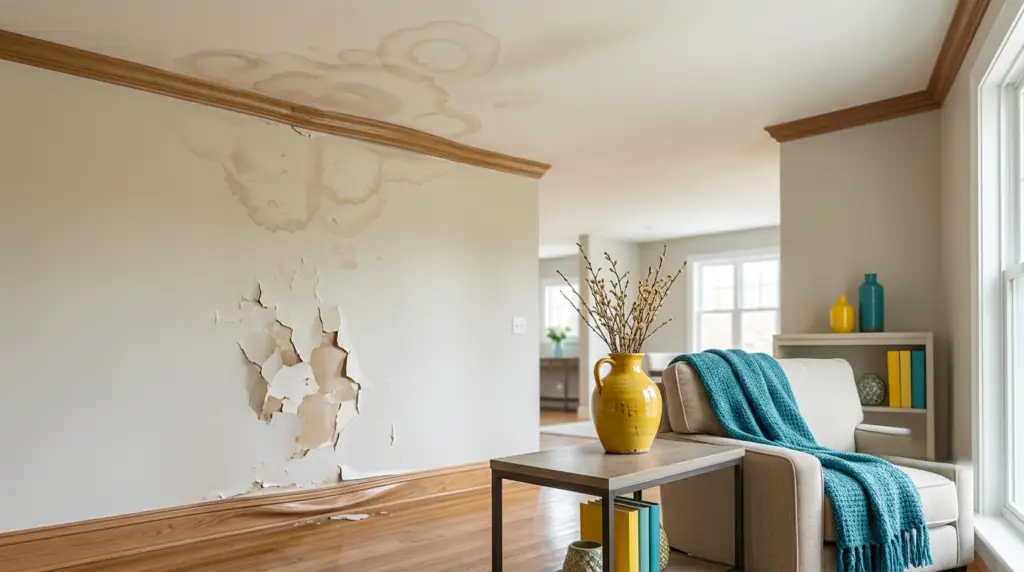
Visible water stains, warped materials, mold growth, and lingering odors can reduce a property’s appeal and market value. Even hidden damage discovered during inspections can complicate real estate transactions.
Quick restoration helps maintain the property’s condition and protects long-term investment value. Thorough drying and professional repairs ensure that affected areas are properly restored.
Documentation of professional restoration services can also provide reassurance to future buyers that water-related issues were addressed correctly.
Protecting property value is another compelling reason to act immediately after discovering water damage.
Professional Equipment Accelerates the Recovery Process
Effective restoration requires more than simply removing visible water. Moisture often remains trapped within building materials long after surfaces appear dry.
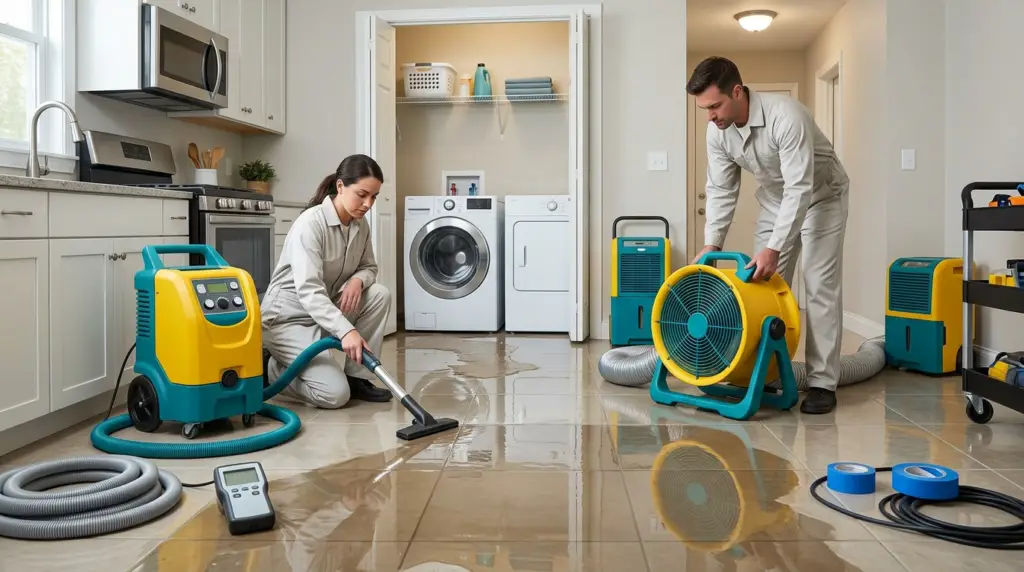
Professional restoration companies use industrial-grade extraction equipment, air movers, dehumidifiers, and moisture monitoring tools to achieve thorough drying.
These specialized resources significantly reduce drying times and improve restoration effectiveness. They help ensure that hidden moisture pockets are identified and eliminated.
Without professional equipment, moisture may remain undetected, increasing the risk of future issues such as mold growth or material deterioration.
A fast response combined with advanced restoration technology provides the best opportunity for successful recovery and long-term protection.
Water Damage Restoration Supports Faster Normalcy
Property damage can disrupt daily life, creating stress and uncertainty for homeowners and business owners alike.
Prompt Water Damage Restoration helps accelerate the recovery process by reducing downtime and restoring functionality as quickly as possible. Families can return to normal routines sooner, while businesses can resume operations with minimal interruption.
Quick restoration also reduces emotional stress by providing a clear plan for recovery. Professional teams coordinate mitigation, drying, cleaning, and repairs to streamline the process.
The faster restoration begins, the sooner occupants can regain a safe, comfortable, and functional environment.
Rapid recovery is often one of the most appreciated benefits of immediate professional intervention following a water damage event.
Conclusion
Fast Water Damage Restoration is essential for minimizing property damage, preventing mold growth, protecting valuable belongings, preserving structural integrity, and controlling repair costs. Acting quickly after a water-related emergency can significantly reduce long-term consequences while helping restore a safe and healthy environment. Prompt professional intervention ensures that hidden moisture is properly addressed and that recovery efforts begin before damage worsens.
If you are facing water damage in Lisle, Illinois, trust ServiceMaster Restoration Services to provide prompt and professional assistance. Their experienced team understands the urgency of water emergencies and works quickly to restore homes and businesses efficiently. For immediate help and expert restoration services, contact ServiceMaster Restoration Services at +1 630-241-1111 and take the first step toward protecting your property and restoring peace of mind.