Water damage can happen without warning, whether it’s caused by a burst pipe, roof leak, overflowing appliance, or severe storm. When homeowners face unexpected flooding or moisture problems, one of the first questions they ask is whether water damage restoration is covered by their insurance policy. Understanding your coverage is important because restoration costs can quickly add up if repairs are delayed.
Insurance policies vary depending on the provider, the cause of the damage, and the specific terms of your coverage. Knowing what is and isn’t covered can help you respond quickly, reduce further damage, and avoid unnecessary expenses. This guide explains how insurance companies typically handle water damage claims, what restoration services involve, and the steps homeowners should take to improve the chances of a successful claim.
Understanding Water Damage Restoration
Water damage restoration is the professional process of returning a property to its pre-loss condition after water intrusion. It involves much more than simply removing standing water. Restoration professionals inspect the affected areas, identify the source of the problem, remove excess moisture, dry structural materials, sanitize affected surfaces, and repair damaged areas when necessary.
The goal is to minimize structural damage while preventing secondary problems such as mold growth, wood rot, and deterioration of building materials. Prompt restoration is essential because water can quickly penetrate flooring, drywall, insulation, and furniture. The longer moisture remains, the more extensive and expensive the damage becomes.
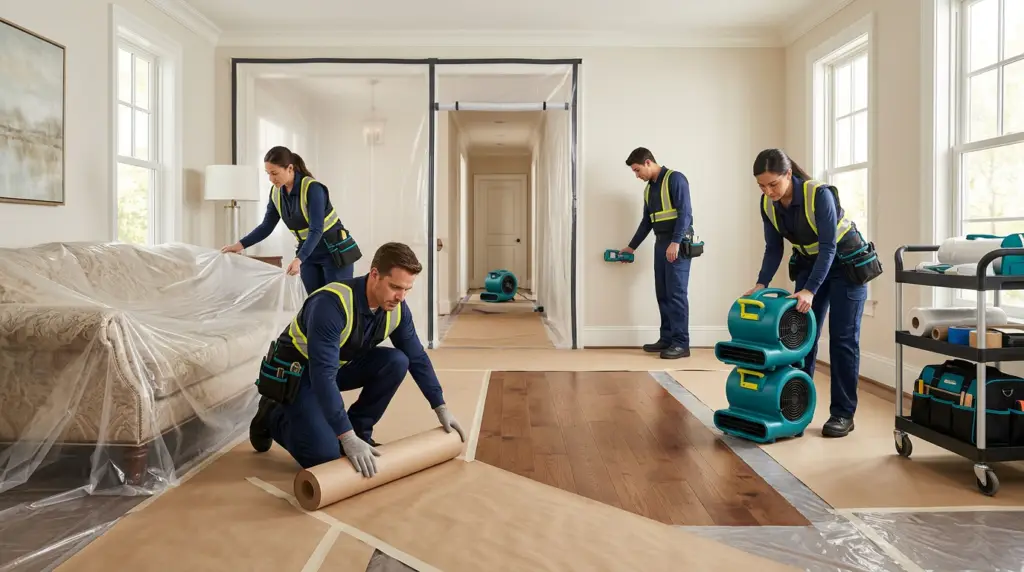
Professional restoration companies use specialized equipment, including industrial pumps, dehumidifiers, moisture meters, and high-powered air movers. These tools help ensure that hidden moisture is removed from walls, ceilings, and flooring that may appear dry on the surface.
Choosing experienced restoration professionals also provides homeowners with documentation that may support insurance claims. Detailed inspections, moisture readings, and photographs often help demonstrate the extent of the damage and the work required to restore the property safely and effectively.
When Insurance Typically Covers Water Damage
Many homeowners insurance policies cover sudden and accidental water damage. This generally includes events that occur unexpectedly, such as a burst pipe, an overflowing washing machine, or accidental plumbing failures. If the water damage results from a covered event, insurance often helps pay for repairs and restoration.
Coverage usually extends to damaged walls, ceilings, flooring, and personal belongings, depending on the policy limits. Some policies also cover temporary living expenses if the home becomes uninhabitable during restoration.
However, every insurance policy contains specific conditions and exclusions. The exact cause of the damage often determines whether the claim will be approved. Insurance adjusters typically investigate the source before making a decision.
Homeowners should review their policies carefully and contact their insurance provider immediately after discovering water damage. Early reporting allows the claims process to begin quickly while reducing the risk of additional damage that could complicate coverage decisions.
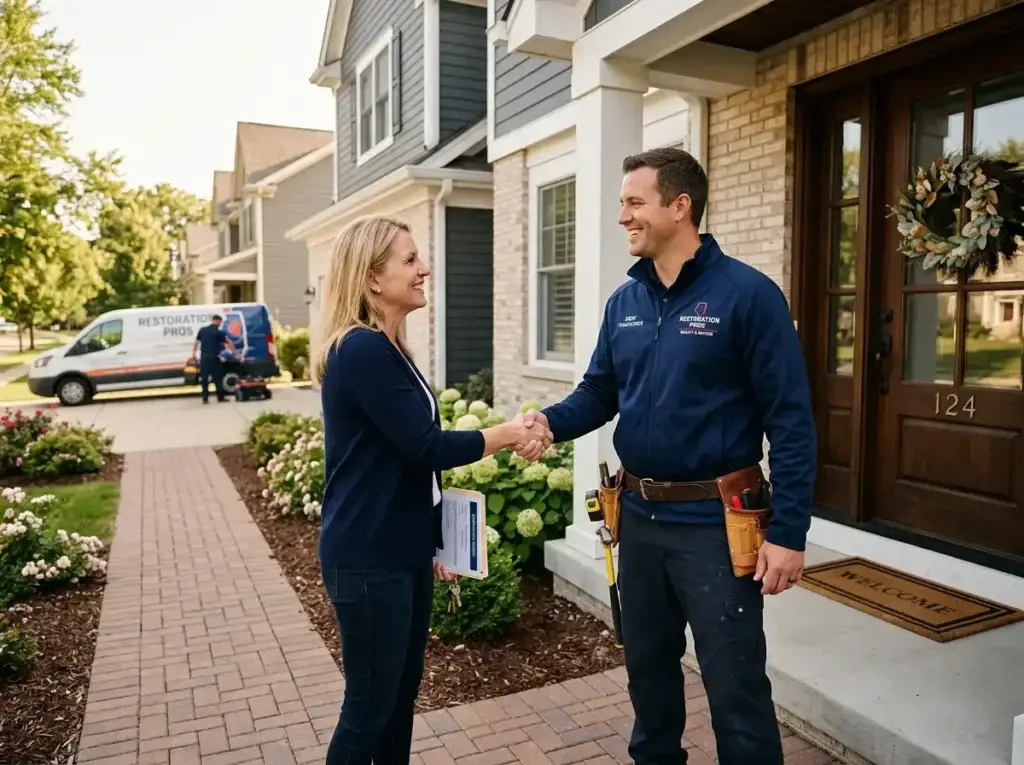
Situations That Insurance May Not Cover
Although insurance often covers sudden water damage, it generally does not pay for damage caused by neglect or lack of maintenance. Slow leaks that have existed for months, deteriorating plumbing, or unresolved roof issues may be considered preventable problems rather than unexpected events.
Flooding caused by rising rivers, heavy rainfall, or storm surges is another common exclusion under standard homeowners insurance policies. Separate flood insurance is usually required for these situations.
Insurance companies may also deny claims if homeowners failed to address known plumbing issues or ignored previous signs of water intrusion. Delayed reporting can further complicate the claims process because additional damage may develop after the original incident.
Understanding these exclusions helps homeowners recognize the importance of routine property maintenance. Regular inspections of plumbing systems, appliances, roofing, and drainage systems can reduce the likelihood of uncovered damage while protecting the home’s long-term value.
The Insurance Claims Process for Water Damage
Filing an insurance claim begins by notifying your insurance company as soon as possible after discovering the damage. Most insurers recommend reporting the incident immediately to prevent additional losses and begin the investigation promptly.
After the claim is filed, an insurance adjuster typically visits the property to assess the extent of the damage. They evaluate the cause, inspect affected areas, review photographs, and estimate repair costs. Documentation provided by restoration professionals often supports this assessment.
Homeowners should keep detailed records throughout the process. Photographs, receipts, invoices, and written reports provide valuable evidence that may strengthen the claim.
Communication remains important throughout the restoration project. Responding promptly to requests for information and maintaining organized documentation helps minimize delays while improving the efficiency of the claims process.
Why Immediate Restoration Matters
Time plays a significant role after water damage occurs. Moisture begins affecting drywall, wood, insulation, carpeting, and furniture almost immediately. Within a short period, mold growth may begin, creating additional health concerns and increasing repair costs.
Immediate restoration reduces the overall extent of damage by removing standing water and drying affected materials before deterioration spreads. Quick action often preserves structural components that might otherwise require complete replacement.
Insurance companies generally expect homeowners to take reasonable steps to prevent further damage after discovering a problem. Delaying restoration may result in additional losses that insurers consider avoidable, potentially affecting coverage.
Professional restoration teams respond quickly with specialized equipment designed to accelerate drying, monitor moisture levels, and restore safe indoor conditions. Their prompt response benefits both homeowners and insurance providers by limiting the total cost of repairs.
Documentation That Helps Insurance Claims
Accurate documentation can significantly improve the success of a water damage insurance claim. Homeowners should begin recording evidence as soon as it is safe to enter the affected area.
Photographs and videos should capture standing water, damaged belongings, affected rooms, and visible structural issues before cleanup begins. Keeping damaged items until instructed otherwise may also support the claim.
Professional restoration companies provide moisture readings, inspection reports, drying logs, equipment usage records, and repair estimates. These documents demonstrate the extent of damage and verify that industry-standard restoration procedures were followed.
Maintaining copies of all communication with the insurance company, including emails, claim numbers, receipts, and contractor invoices, creates a complete record of the project. Thorough documentation often reduces disputes and helps streamline claim approval.
Preventing Future Water Damage
While insurance provides valuable financial protection, preventing water damage remains the best strategy. Regular home maintenance helps identify small problems before they develop into major restoration projects.
Inspect plumbing connections, water heaters, appliances, roofing, gutters, and foundation drainage regularly. Replacing worn hoses, repairing small leaks, and cleaning gutters can prevent significant water intrusion.
Installing water leak detection systems and automatic shutoff valves provides additional protection. These technologies can detect abnormal water flow and reduce damage by shutting off the water supply automatically.
Seasonal maintenance is equally important. Preparing plumbing for freezing temperatures, inspecting sump pumps, and ensuring proper exterior drainage all contribute to reducing the risk of unexpected water damage throughout the year.
Choosing the Right Restoration Company
Selecting a qualified restoration company is one of the most important decisions after water damage occurs. Experienced professionals understand both the technical restoration process and the documentation insurance companies often require.
Look for companies with trained technicians, advanced drying equipment, rapid emergency response, and experience working with insurance providers. Clear communication throughout the project also helps homeowners understand each stage of the restoration process.
A reputable restoration company performs detailed inspections, develops a customized restoration plan, monitors drying progress, and provides complete documentation from start to finish.
Working with knowledgeable professionals helps restore the property efficiently while improving the overall claims experience. Their expertise can reduce stress during an already challenging situation.
Conclusion
Whether insurance covers water damage restoration depends largely on the cause of the damage and the details of your homeowners insurance policy. Sudden and accidental events are often covered, while damage resulting from neglect, long-term leaks, or flooding typically requires separate coverage or may be excluded. Acting quickly, documenting the damage thoroughly, and working with experienced restoration professionals can make a significant difference in both the restoration process and the outcome of your insurance claim.
If you need fast, reliable restoration services, ServiceMaster Restoration Services proudly serves homeowners and businesses throughout Lisle. Their experienced team provides prompt response, professional restoration solutions, and assistance throughout the insurance claims process. For immediate assistance or to schedule an inspection, call +1 630-241-1111.
https://www.spreaker.com/episode/is-water-damage-restoration-covered-by-insurance–73111379
https://www.podomatic.com/podcasts/ginawashingt90podcast/episodes/2026-07-22T10_25_02-07_00
https://stream.redcircle.com/episodes/ab82e504-6feb-4284-ab6f-97dc65b70739/stream.mp3