Water damage can happen without warning, whether it’s caused by a burst pipe, heavy rainfall, appliance failure, or sewage backup. When it does, acting quickly is essential to minimize structural damage, prevent mold growth, and protect your property. Water damage restoration is a specialized process that involves removing excess water, drying affected materials, sanitizing the area, and restoring your home or business to its pre-loss condition.
Many property owners wonder whether they should tackle water damage themselves or hire professionals. While small spills may be manageable, significant water intrusion requires specialized equipment, training, and experience. Understanding who should handle restoration work can save you time, reduce repair costs, and help prevent long-term issues that may not be visible immediately after the incident.
Why Professional Water Damage Restoration Matters
When water enters a property, it doesn’t simply remain on the surface. It can seep into walls, flooring, insulation, furniture, and even the structural framework of a building. If moisture isn’t removed properly, it creates the perfect environment for mold growth, wood rot, and material deterioration. Professional restoration specialists understand how water behaves and know where hidden moisture is likely to remain.
Experienced technicians use commercial-grade extraction equipment, industrial air movers, dehumidifiers, and moisture detection tools to ensure every affected area is thoroughly dried. Their goal is not only to remove visible water but also to eliminate trapped moisture that can lead to future damage.
Professionals also follow industry-approved restoration procedures to protect your property and belongings. They assess the severity of the damage, identify safety concerns, and create a restoration plan that addresses both immediate and long-term needs. Their expertise helps reduce repair costs while restoring your property as efficiently as possible.
Choosing qualified experts provides peace of mind because you know every stage of the restoration process is being handled correctly from beginning to end.
What Qualifications Should Restoration Professionals Have?
Not every contractor has the knowledge required to restore water-damaged properties safely and effectively. Restoration specialists should have specialized training in moisture control, structural drying, mold prevention, and sanitation procedures. Proper education ensures they understand the science behind water damage and how to prevent additional problems.
Professional restoration companies also invest in advanced equipment that accurately measures moisture levels inside walls, flooring, ceilings, and other hidden areas. These tools allow technicians to determine when materials are completely dry rather than relying on visual inspections alone.
Experience is another important factor. Companies that have handled a wide variety of residential and commercial restoration projects are better prepared to manage unexpected complications. They can adapt quickly when hidden damage or secondary issues are discovered during the restoration process.
Insurance knowledge is equally valuable. Experienced restoration professionals often assist property owners by documenting damages, preparing reports, and communicating with insurance adjusters. This support can make the claims process smoother while ensuring accurate records of the damage and repairs.
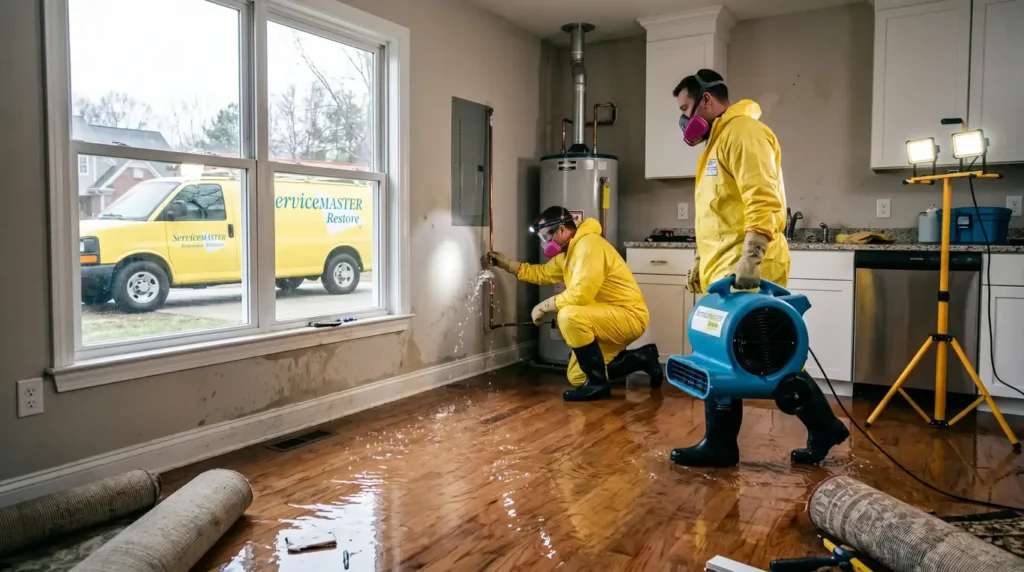
Situations That Require Immediate Professional Help
Some water damage situations require immediate action from trained restoration specialists. Flooding caused by storms, overflowing rivers, burst water mains, or sewage backups can create dangerous conditions that go beyond simple cleanup.
Category 2 and Category 3 water contamination may contain bacteria, chemicals, or harmful microorganisms that pose health risks. Professionals have the protective equipment and sanitation procedures necessary to safely remove contaminated water and disinfect affected areas.
Water that remains inside a property for more than 24 to 48 hours significantly increases the likelihood of mold development. Once mold begins growing, restoration becomes more complicated and expensive. Prompt professional intervention reduces this risk by drying affected materials before mold has an opportunity to spread.
Structural concerns also require expert evaluation. Saturated drywall, weakened ceilings, compromised flooring, and damaged electrical systems can become serious safety hazards if not addressed correctly. Restoration specialists identify these issues early and coordinate repairs before they become larger problems.
Can Homeowners Handle Minor Water Damage?
Not every water incident requires a full restoration team. Small spills, minor plumbing leaks, or isolated appliance overflows that are cleaned immediately may be manageable for homeowners using fans, towels, and household wet vacuums.
However, determining whether water has penetrated beneath flooring or inside walls isn’t always easy. Moisture can remain trapped long after surfaces appear dry. Without professional moisture detection equipment, hidden water often goes unnoticed until mold, odors, or structural deterioration develop weeks later.
Homeowners should also consider the source of the water. Clean water from a supply line presents fewer health concerns than contaminated water from sewage or flooding. If the water source is questionable, professional cleanup is always the safest choice.
When in doubt, scheduling a professional inspection provides valuable reassurance. Restoration specialists can identify hidden moisture, recommend appropriate drying methods, and determine whether additional restoration services are necessary before problems worsen.
Equipment Used by Restoration Specialists
Professional restoration companies rely on specialized equipment that far exceeds what most homeowners have available. High-capacity extraction machines quickly remove standing water from carpets, flooring, and other surfaces before deeper damage occurs.
Industrial air movers increase airflow across wet materials, accelerating evaporation while reducing drying times. Commercial dehumidifiers remove moisture from the air, preventing humidity from slowing the drying process or encouraging mold growth.
Moisture meters and thermal imaging cameras help technicians locate hidden pockets of water behind walls, beneath flooring, and inside ceilings. These diagnostic tools allow restoration professionals to target affected areas without unnecessary demolition.
Air scrubbers and HEPA filtration systems may also be used to improve indoor air quality by capturing airborne particles, mold spores, and contaminants during restoration. Together, this specialized equipment enables professionals to restore properties more thoroughly, efficiently, and safely than standard household tools.
The Importance of Fast Response Times
Time is one of the most critical factors following water damage. The longer moisture remains inside a property, the greater the likelihood of permanent damage to building materials and personal belongings.
Within the first few hours, water begins soaking into drywall, flooring, insulation, and furniture. After one or two days, mold growth may begin in damp environments. Over time, wood may warp, drywall can weaken, and unpleasant odors become increasingly difficult to remove.
Professional restoration companies prioritize rapid response because early intervention significantly reduces overall damage. Quick extraction, drying, and dehumidification help preserve structural materials while minimizing repair costs.
Fast service also helps businesses resume operations sooner and allows homeowners to return to normal life more quickly. Immediate action not only protects the building itself but also helps preserve valuable possessions that might otherwise be lost due to prolonged exposure to moisture.
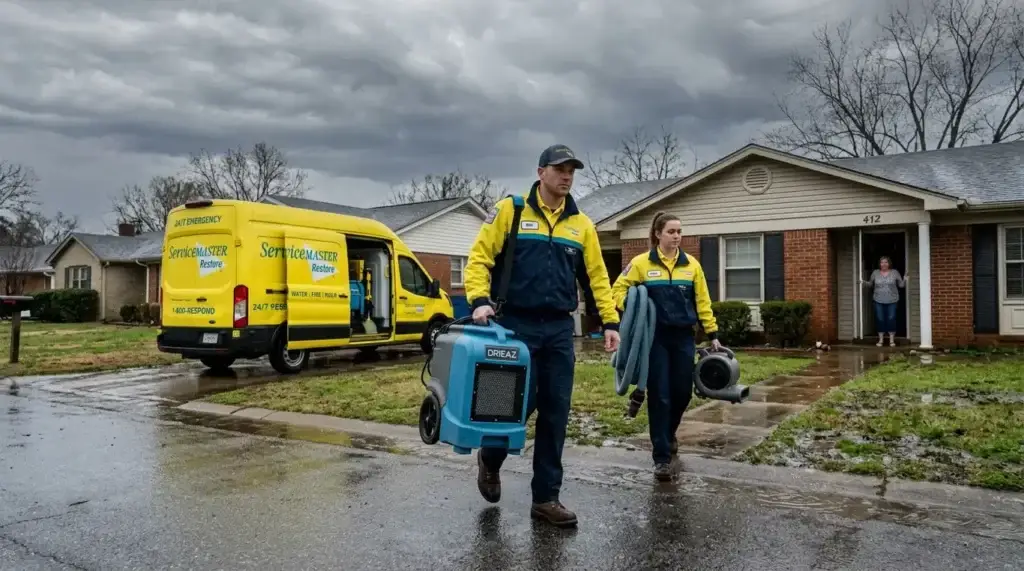
How Restoration Professionals Work with Insurance Companies
Navigating an insurance claim after water damage can be overwhelming, especially while dealing with property repairs. Many restoration companies assist customers throughout the claims process by documenting damages and communicating directly with insurance representatives.
Detailed moisture readings, photographs, equipment logs, and restoration reports provide important evidence that supports insurance claims. Accurate documentation helps demonstrate the extent of the damage and the work required to restore the property.
Professional restoration companies understand the information insurance adjusters typically request. Their familiarity with industry standards allows them to prepare detailed reports that streamline communication between all parties involved.
Although coverage depends on individual insurance policies and the cause of the water damage, having experienced professionals manage documentation often simplifies the overall process and helps property owners focus on recovery instead of paperwork.
Choosing the Right Restoration Company
Selecting the right restoration company involves more than comparing prices. Property owners should look for businesses with extensive experience, positive customer reviews, trained technicians, and modern restoration equipment.
Availability is another important consideration. Water emergencies can happen at any hour, making 24/7 emergency response an important feature when choosing a restoration provider. Rapid response often reduces the extent of damage and shortens the restoration timeline.
Transparency also matters. Reputable companies explain their restoration process, provide clear communication throughout the project, and answer questions honestly. They should offer detailed assessments and keep customers informed from the initial inspection through project completion.
Choosing a trusted local restoration company gives homeowners confidence that experienced professionals will restore their property safely, efficiently, and according to industry best practices.
Conclusion
Knowing who should handle water damage restoration jobs can make a significant difference in protecting your property and reducing long-term repair costs. While homeowners may be able to address very minor water issues, larger leaks, flooding, contamination, and hidden moisture require experienced restoration professionals with specialized training and equipment. Fast action, proper drying techniques, and thorough inspections help prevent mold growth and structural damage while restoring your property safely and efficiently.
If you need dependable water damage restoration services in Lisle, trust ServiceMaster Restoration Services to respond quickly and restore your property with professional care. Their experienced team is ready to help you recover from water damage and guide you through every stage of the restoration process. To schedule service or request emergency assistance, call +1 630-241-1111 today.
https://www.spreaker.com/episode/who-should-handle-water-damage-restoration-jobs–73111343
https://www.podomatic.com/podcasts/ginawashingt90podcast/episodes/2026-07-22T10_22_01-07_00
https://stream.redcircle.com/episodes/651d90ac-0c79-42c1-84f3-c9d20192afaa/stream.mp3