Water damage restoration is a critical process that protects homes and businesses from long term structural and health problems after flooding, leaks, or plumbing failures. When water enters a property and is not properly addressed, it does more than just create visible stains or damp areas. It slowly spreads into walls, floors, insulation, and hidden spaces where it continues to weaken materials and encourage harmful growth.
The importance of water damage restoration lies in preventing small incidents from becoming major repairs. Many property owners underestimate how quickly water can compromise a building’s integrity and indoor safety. What may seem like a minor leak today can turn into costly reconstruction if ignored. Understanding the risks of not restoring water damage helps homeowners take immediate action and avoid serious consequences that affect both health and property value.
Structural Damage That Worsens Over Time
One of the most serious risks of ignoring water intrusion is the gradual weakening of a building’s structure. Water seeps into wood, drywall, and foundational materials, causing them to soften, swell, or break down over time. This process often starts invisibly, making it difficult for property owners to detect early signs of damage.
As moisture continues to spread, it compromises beams, flooring, and support structures. Walls may begin to warp, ceilings can sag, and floors may feel uneven. These changes indicate that the building is losing its strength. Without immediate intervention, repairs become more extensive and expensive.
Professional assessment and water damage restoration help stop this deterioration before it reaches critical levels. Addressing the issue early preserves the integrity of the property and prevents unsafe living conditions that could put occupants at risk.
Mold Growth and Health Complications
When moisture is left untreated, it creates the perfect environment for mold to grow. Mold can begin developing within 24 to 48 hours after water exposure, spreading quickly through walls, carpets, and hidden spaces. This is one of the most dangerous consequences of delayed action.
Exposure to mold spores can lead to respiratory issues, allergies, skin irritation, and other health problems. Individuals with asthma or weakened immune systems are especially vulnerable. The longer moisture remains, the more widespread the contamination becomes, making cleanup more complex.
Water damage restoration plays a vital role in eliminating excess moisture and preventing mold from taking hold. Without proper drying and sanitization, mold can continue to spread silently behind surfaces, creating ongoing health risks for everyone inside the property.
Electrical System Hazards
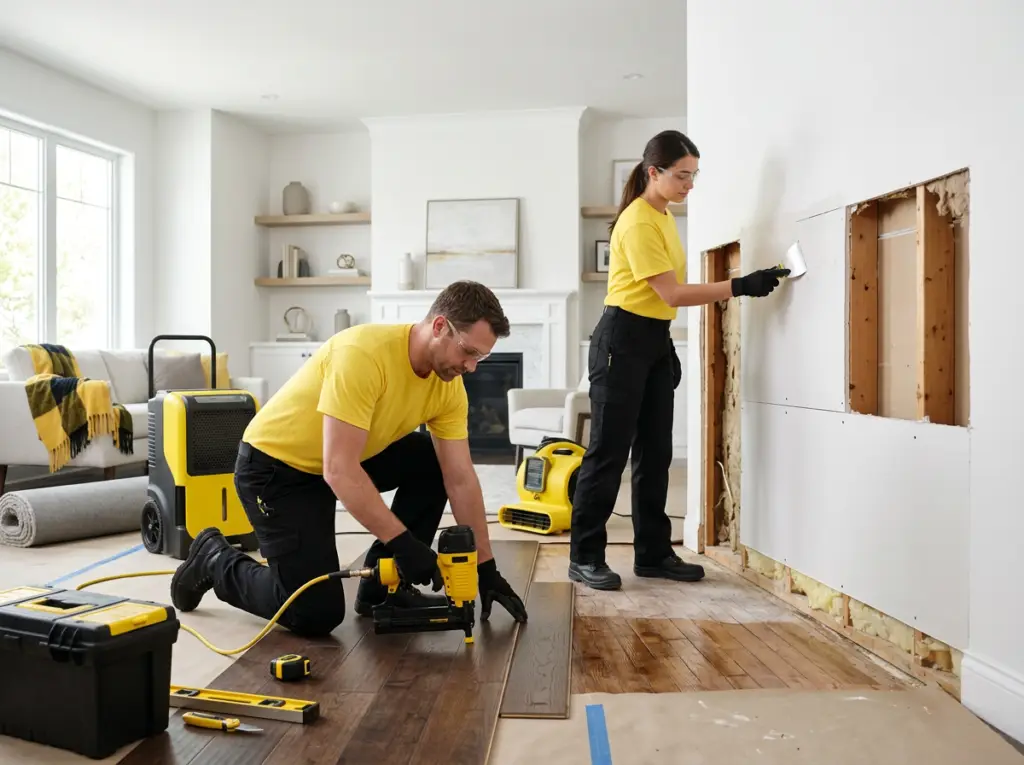
Water and electricity are a dangerous combination. When water enters walls, ceilings, or floors, it can come into contact with electrical wiring, outlets, and appliances. This increases the risk of short circuits, electrical shocks, and even fires.
Even after visible water has dried, hidden moisture can still affect electrical components. Corrosion may develop over time, weakening connections and increasing the likelihood of system failure. This creates a serious safety hazard that is often overlooked.
Water damage restoration includes identifying and addressing areas where water may have reached electrical systems. Without this step, property owners may unknowingly expose themselves to ongoing electrical dangers that can lead to costly repairs or life threatening incidents.
Hidden Moisture and Ongoing Internal Damage
One of the most overlooked risks of water damage is moisture that remains trapped inside walls, flooring, and insulation. Even when surfaces appear dry, water can still linger deep within building materials. This hidden moisture continues to cause damage long after the initial incident.
Over time, trapped water weakens materials from the inside out. Drywall may crumble, wood may rot, and insulation can lose its effectiveness. These issues often remain unnoticed until significant deterioration has already occurred.
Water damage restoration focuses on detecting and removing hidden moisture using specialized equipment. Without this step, property owners may face ongoing internal damage that gradually worsens and becomes more expensive to repair.
Unpleasant Odors and Indoor Air Quality Issues
Standing water and excess moisture often lead to persistent unpleasant odors inside a property. These smells are usually caused by bacteria, mold growth, and decaying materials hidden within walls or flooring. Once they develop, they can be difficult to eliminate without proper treatment.
Poor indoor air quality is another major concern. Moist environments allow contaminants to circulate through ventilation systems, affecting the overall comfort and health of occupants. This can lead to headaches, irritation, and breathing difficulties.
Water damage restoration helps remove the source of these odors by eliminating moisture and contaminated materials. Without proper restoration, the smell and air quality problems can persist indefinitely, making the property uncomfortable to live or work in.
Damage to Personal Belongings
Water intrusion does not only affect the structure of a property but also the belongings inside it. Furniture, clothing, electronics, and important documents can be severely damaged when exposed to moisture. Some items may appear salvageable at first but deteriorate over time.
Wood furniture may warp, fabrics may stain or develop mold, and electronic devices can stop functioning entirely. Paper items such as photographs or records may become permanently unreadable if not treated quickly.
Water damage restoration includes evaluating which belongings can be saved and which need replacement. Without prompt action, many personal items may be lost permanently, increasing emotional and financial loss for property owners.
Pest Infestation Risks
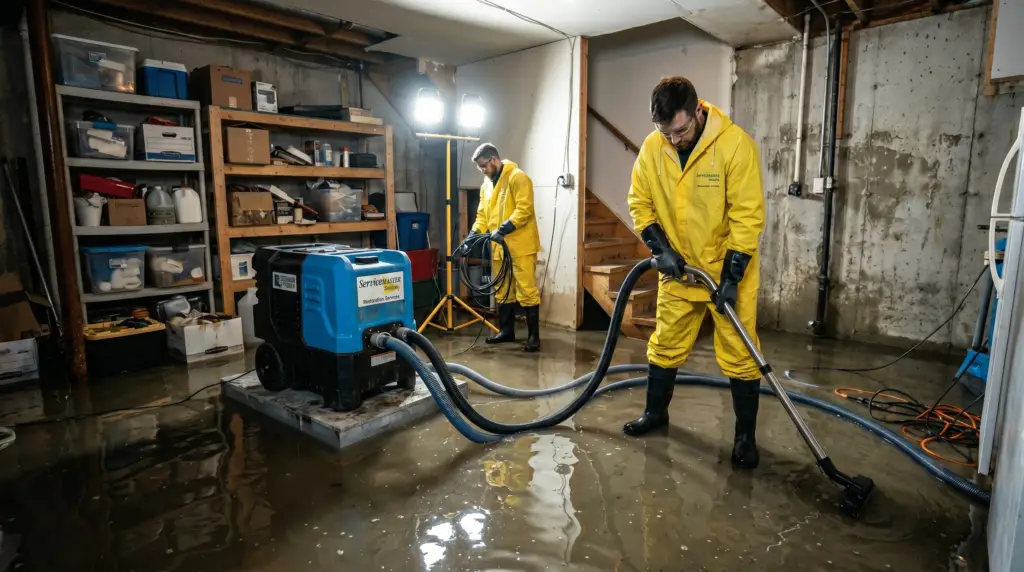
Moist environments attract a variety of pests, including insects and rodents. These pests are drawn to damp wood, standing water, and decaying materials that often result from untreated water damage. Once they enter a property, they can quickly multiply and spread.
Termites, cockroaches, and rodents can cause additional structural damage and create unsanitary living conditions. They often hide in the same areas affected by moisture, making them difficult to detect until the infestation becomes severe.
Water damage restoration reduces the conditions that attract pests by removing moisture and damaged materials. Without this intervention, infestations can become a secondary problem that compounds the original water damage.
Decreased Property Value
A property that has experienced untreated water damage often suffers a significant decrease in market value. Visible stains, structural issues, and lingering odors can make it less attractive to potential buyers or tenants.
Even after repairs, signs of previous water damage can raise concerns during inspections. Buyers may assume there are hidden problems, leading to lower offers or failed sales. This can have a lasting financial impact on property owners.
Proper water damage restoration helps preserve the condition of the property and maintain its value. Addressing damage promptly ensures that the property remains appealing and structurally sound in the real estate market.
Insurance Complications and Claim Issues
Delaying repairs after water damage can also create complications with insurance claims. Many insurance policies require property owners to take immediate steps to prevent further damage. Failure to do so may result in reduced coverage or denied claims.
Insurance companies may argue that additional damage occurred due to neglect rather than the original incident. This can leave property owners responsible for a larger portion of repair costs.
Professional water damage restoration provides documentation and proof that proper action was taken. This helps support insurance claims and ensures that coverage is not jeopardized by delays or improper handling.
Long Term Financial Burden
Ignoring water damage often leads to significantly higher repair costs over time. What begins as a minor issue can evolve into structural reconstruction, mold remediation, and system replacements. These combined expenses can become overwhelming for property owners.
In addition to repair costs, there may be indirect financial losses such as temporary relocation, reduced property value, and increased utility bills due to inefficient systems damaged by moisture.
Water damage restoration helps minimize these long term expenses by addressing the issue early. Acting quickly reduces the scope of damage and prevents small problems from becoming major financial burdens.
Conclusion
The risks of ignoring water damage extend far beyond visible stains or minor leaks. From structural deterioration and mold growth to electrical hazards and financial loss, untreated water intrusion can impact every part of a property. Understanding these risks highlights the importance of taking immediate action when damage occurs.
Professional water damage restoration ensures that moisture is properly removed, hidden damage is addressed, and long term issues are prevented. For reliable assistance, ServiceMaster Restoration Services in Lisle is available at +1 630-241-1111 to help protect your property and restore safety, comfort, and value.
https://arleneshaw1973.podbean.com/e/what-are-the-risks-of-not-restoring-water-damage
https://www.podomatic.com/podcasts/arleneshaw1973podcast/episodes/2026-05-25T06_50_18-07_00
https://stream.redcircle.com/episodes/f6617789-08e8-420d-b7d1-a1c444228e4d/stream.mp3