Initial Inspection and Damage Assessment
The restoration process typically starts with a detailed inspection. Technicians examine visible damage while checking for moisture hidden behind walls, beneath flooring, inside cabinets, and in other concealed areas.
Professional equipment, such as moisture meters and thermal imaging tools, can help locate moisture that cannot be seen. This allows technicians to determine how far the water has traveled and which materials have been affected.
The source of the water is also identified whenever possible. A burst pipe, roof leak, appliance failure, and sewage backup can require different cleanup procedures. Addressing the source helps prevent additional water from entering the property.
After the assessment, technicians can establish priorities and create a restoration plan based on the severity and type of damage.
Water Extraction and Removal
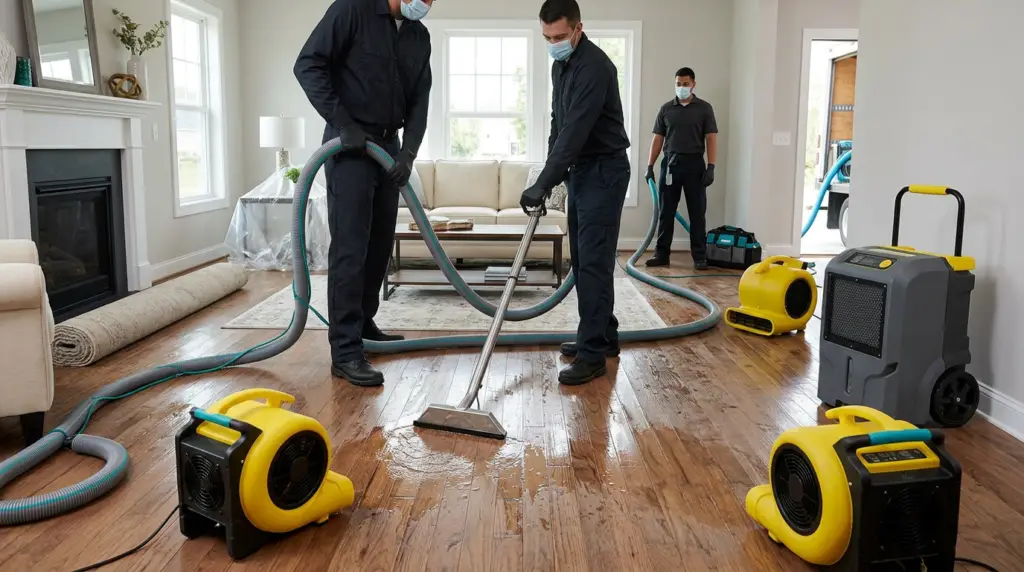
Removing standing water is one of the first major steps. Depending on the amount of water present, professionals may use pumps, wet vacuums, and commercial extraction equipment to remove moisture efficiently.
Fast extraction can help limit damage to flooring, drywall, furniture, insulation, and other building materials. Water can quickly spread from one room to another or penetrate porous materials.
Technicians generally inspect beneath furniture, flooring, and other areas where moisture may collect. Removing visible water alone may not be enough if moisture has already moved into hidden spaces.
Once excess water is extracted, the property still needs to be thoroughly dried. Extraction removes liquid water, while professional drying addresses the moisture that remains inside materials and the surrounding air.
Structural Drying and Dehumidification
After extraction, technicians begin the drying process. Commercial air movers circulate air across wet surfaces, while dehumidifiers remove excess humidity from the environment.
Drying may involve drywall, flooring, wood framing, insulation, carpeting, and other porous materials. These materials can retain moisture even when their surfaces appear dry.
Technicians monitor moisture levels throughout the process and may reposition equipment as conditions change. This helps ensure that affected areas are properly dried rather than relying only on appearance.
Thorough drying is essential because trapped moisture can contribute to additional property damage and create favorable conditions for mold. Professional monitoring helps determine when the drying process has been adequately completed.
Cleaning and Sanitizing
Water damage can leave behind dirt, bacteria, debris, and unpleasant odors. This is especially important when water comes from an unsanitary source, such as a sewage backup.
Restoration professionals can clean and sanitize affected floors, walls, furniture, fixtures, and other salvageable belongings. Cleaning methods are selected based on the type of water and the materials involved.
Odor control may also be necessary. Wet materials can develop musty smells that remain after standing water has been removed. Proper cleaning and drying can help address these odors.
Contaminated water should be handled carefully because it may contain harmful substances. Professional technicians use appropriate procedures and protective measures when dealing with potentially unsafe conditions.
Mold Prevention and Remediation
Moisture that remains inside a property can create conditions that encourage mold growth. Proper extraction and drying are therefore important parts of preventing mold after a water emergency.
If mold is already present, additional remediation may be required. Depending on the situation, professionals may contain the affected area, remove damaged materials, clean appropriate surfaces, and correct the moisture source.
Cleaning visible mold without addressing hidden moisture may not resolve the underlying problem. Moisture trapped inside walls, beneath flooring, or around plumbing can allow mold to return.
A professional evaluation can determine the extent of the issue and whether specialized remediation is necessary. Acting early can help prevent a relatively small moisture problem from becoming a larger restoration project.
Damaged Material Removal and Repairs
Some materials can be dried and restored, while others may be too damaged or contaminated to save. Restoration professionals evaluate drywall, insulation, flooring, carpeting, cabinets, and other materials to determine the appropriate solution.
Removing unsalvageable materials can prevent additional problems and make it easier to dry affected areas. However, materials are not necessarily removed simply because they became wet. Their condition and the type of water involved are considered first.
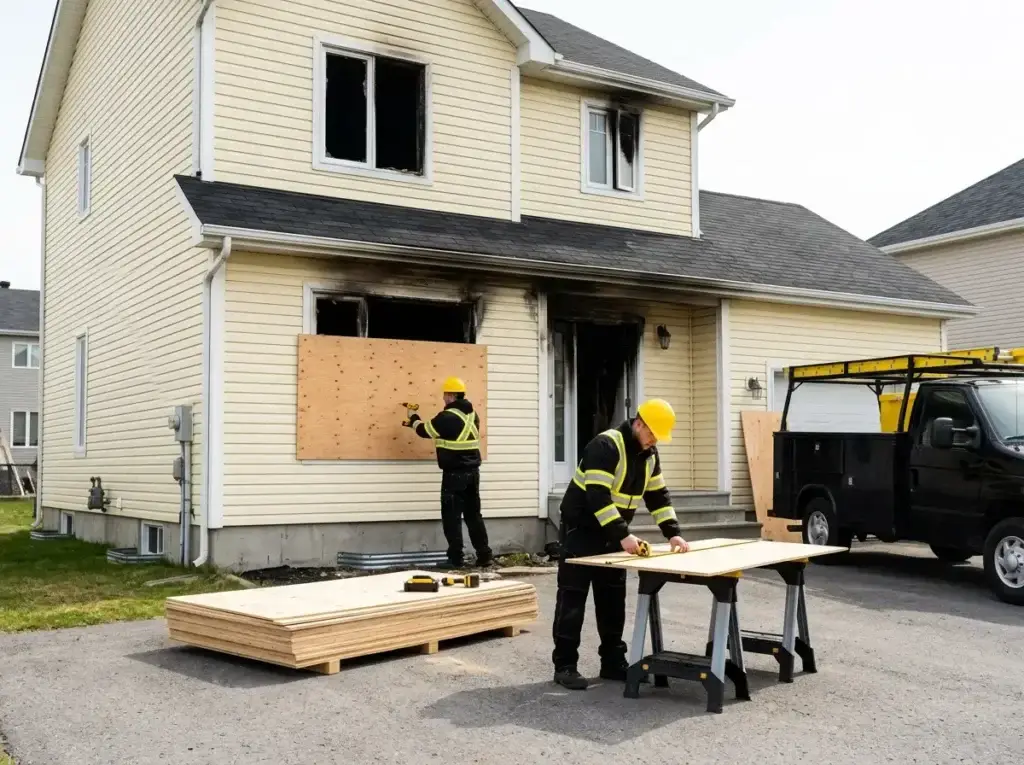
After damaged materials are removed, repairs may include replacing drywall, flooring, trim, insulation, or other components. Some restoration companies provide reconstruction services, while others coordinate with contractors.
The goal is to restore the property as closely as possible to its pre-damage condition while addressing both immediate moisture problems and resulting structural damage.
Content Cleaning and Property Protection
Personal belongings can also be affected by water. Furniture, clothing, documents, electronics, and household items may require inspection to determine whether they can be cleaned or restored.
Some contents can be treated at the property, while others may require specialized cleaning elsewhere. The appropriate method depends on the material, condition, and extent of water exposure.
Professionals may also move unaffected belongings away from damaged areas to protect them during extraction, drying, cleaning, or repairs.
Property owners should document damaged belongings with photographs and descriptions when possible. This information can be useful when communicating with an insurance company. Restoration companies may also provide documentation of affected areas and completed work.
Final Inspection and Moisture Checks
A final inspection helps confirm that restoration work has been completed properly. Technicians may check previously affected walls, floors, ceilings, and other areas for remaining moisture.
Moisture readings are particularly useful because surfaces can feel dry while moisture remains underneath. Confirming appropriate moisture levels helps reduce the risk of ongoing problems.
The final stage may also include reviewing completed repairs, cleaning results, and any remaining recommendations. If reconstruction or additional work is necessary, the property owner can discuss the next steps.
Completing these checks gives homeowners and business owners greater confidence that the property has been properly addressed and is ready to return to normal use.
Conclusion
Water damage restoration can include much more than removing standing water. A complete service may involve inspection, water extraction, structural drying, dehumidification, cleaning, sanitizing, mold prevention, content restoration, damaged material removal, repairs, and final moisture checks.
For property owners in Lisle, IL, responding quickly can help limit the effects of a water emergency and make the restoration process more manageable. ServiceMaster Restoration Services can assess the damage and help determine the appropriate steps for restoring your property.
If your home or business has experienced water damage, contact ServiceMaster Restoration Services at +1 630-241-1111 to discuss your restoration needs and get professional assistance.