Water damage can happen without warning, whether it is caused by a burst pipe, severe storms, appliance leaks, or overflowing fixtures. Acting quickly is essential because even a small amount of standing water can lead to structural damage, mold growth, and expensive repairs. Water damage restoration is the professional process of removing excess water, drying affected materials, cleaning contaminated areas, and restoring a property to its original condition.
Understanding why water damage restoration is so important helps homeowners and business owners make informed decisions when disaster strikes. Delaying the restoration process can allow moisture to spread deeper into walls, floors, and ceilings, increasing repair costs and creating health concerns. By responding promptly and relying on experienced restoration professionals, property owners can protect their investment, maintain a safe indoor environment, and minimize long-term damage.
The Hidden Risks of Untreated Water Damage
Water damage is often more serious than it appears on the surface. While visible puddles and damp flooring may seem like the primary concern, moisture can quickly seep behind walls, beneath flooring, and into insulation. These hidden pockets of water can weaken structural materials over time without showing immediate signs of damage.
As moisture remains trapped inside building materials, wood may warp, drywall can deteriorate, and metal components may begin to corrode. Electrical systems may also become compromised if water reaches outlets, wiring, or electrical panels. These issues often become more expensive to repair the longer they are left untreated.
Beyond structural concerns, lingering moisture creates the perfect environment for bacteria and other harmful microorganisms. Odors may develop, indoor air quality can decline, and property owners may face additional restoration challenges that could have been prevented through early intervention.
Professional restoration specialists use advanced moisture detection equipment to locate hidden water and ensure every affected area is properly dried. This thorough approach helps prevent ongoing deterioration and reduces the likelihood of future repair costs.
How Fast Response Minimizes Property Damage
Time is one of the most important factors after water damage occurs. The first 24 to 48 hours are critical because water continues to spread through porous building materials, causing more extensive damage with every passing hour.
Furniture, carpets, drywall, and wood flooring absorb moisture quickly. If these materials remain wet for too long, they may become permanently damaged and require replacement instead of restoration. Fast action often makes the difference between simple drying and costly reconstruction.
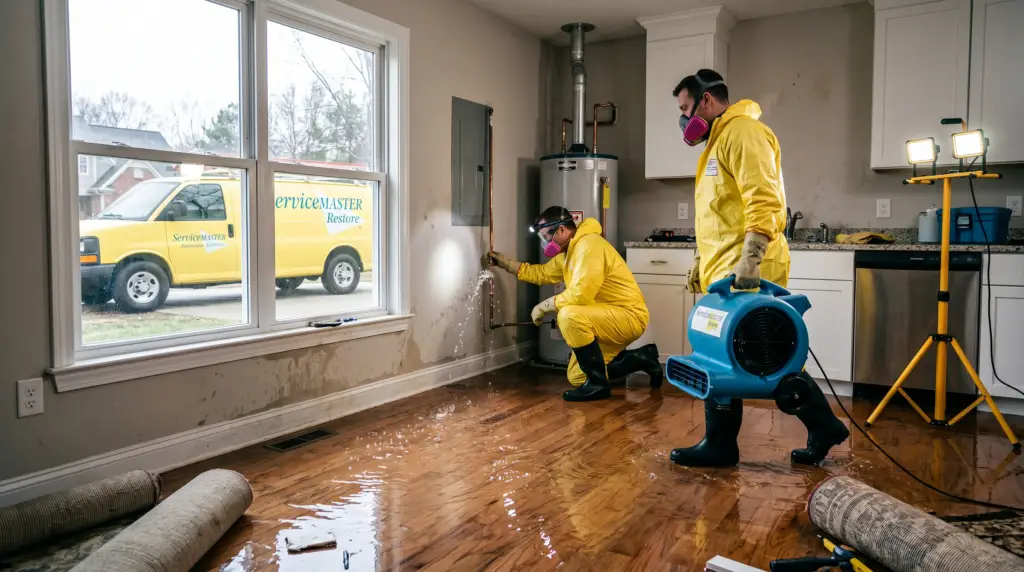
Professional restoration teams arrive with industrial pumps, water extraction systems, air movers, and commercial dehumidifiers designed to remove water efficiently. By immediately lowering moisture levels, they help preserve structural components and reduce overall repair expenses.
A rapid response also shortens the overall recovery timeline. Property owners can often return to their homes or businesses sooner when restoration begins immediately after the incident. Acting quickly not only protects the property but also reduces disruption to everyday life and business operations.
Preventing Mold Growth After Water Damage
One of the greatest dangers following water intrusion is mold growth. Mold spores naturally exist in indoor environments, but they require moisture to grow and spread. Once water damage occurs, mold can begin developing within as little as 24 to 48 hours under favorable conditions.
Mold affects more than building materials. It may also impact indoor air quality, creating unpleasant odors and potentially causing respiratory irritation for occupants. Individuals with allergies, asthma, or weakened immune systems may be particularly sensitive to mold exposure.
Professional drying techniques are essential for preventing mold from developing after water damage. Restoration experts carefully measure moisture levels throughout the property to ensure hidden dampness is completely eliminated before reconstruction begins.
In some cases, antimicrobial treatments are applied to affected areas to reduce the risk of microbial growth. Thorough cleaning, drying, and monitoring help restore a healthier indoor environment while protecting valuable building materials from unnecessary deterioration.
Protecting Your Home’s Structural Integrity
Water has the ability to weaken nearly every structural component inside a building. Wooden framing may lose strength, drywall can crumble, insulation becomes ineffective, and concrete may absorb significant amounts of moisture over time.
The longer moisture remains inside structural materials, the greater the risk of permanent deterioration. Floors may become uneven, ceilings can sag, and walls may lose stability. These issues not only increase repair costs but may also create safety hazards for occupants.
Professional restoration services focus on preserving as much of the existing structure as possible. Moisture mapping technology identifies hidden wet areas that are not visible during a basic inspection, allowing technicians to dry affected materials before irreversible damage occurs.
Proper restoration helps extend the lifespan of the property while maintaining its value. Early intervention often prevents the need for extensive demolition and reconstruction, making restoration both practical and cost-effective.
The Importance of Professional Equipment and Expertise
Although small spills may be handled with household tools, significant water damage requires specialized equipment and professional expertise. Consumer-grade fans and dehumidifiers are often unable to remove deeply trapped moisture from walls, flooring, and structural components.
Professional restoration companies use advanced extraction equipment capable of removing large volumes of standing water quickly. High-capacity air movers and commercial dehumidifiers accelerate drying while specialized moisture meters verify that all affected materials reach safe moisture levels.
Experienced technicians also understand how different building materials respond to water exposure. They know which materials can be restored safely and which require replacement to prevent future problems.
Professional documentation throughout the restoration process provides accurate records of moisture readings, drying progress, and completed work. This systematic approach improves restoration quality while helping property owners better understand the condition of their property throughout the recovery process.
Why Water Damage Restoration Supports Health and Safety
A water-damaged property can present several health and safety concerns beyond visible structural damage. Standing water may contain contaminants depending on its source, especially when flooding or sewage backups are involved. These contaminants require specialized cleaning and sanitization procedures.
Wet environments also encourage bacterial growth and unpleasant odors that can make indoor spaces uncomfortable. Damp materials may release particles into the air, reducing overall indoor air quality if not addressed promptly.
Professional restoration includes thorough cleaning, sanitizing, deodorizing, and drying to create a healthier living or working environment. Safety protocols are followed to minimize exposure to contaminated materials while restoring affected spaces.
Maintaining a clean and dry indoor environment helps protect occupants and reduces the likelihood of recurring moisture-related problems. Comprehensive restoration addresses both visible damage and hidden health risks that may otherwise remain unnoticed.
Understanding the Water Damage Restoration Process
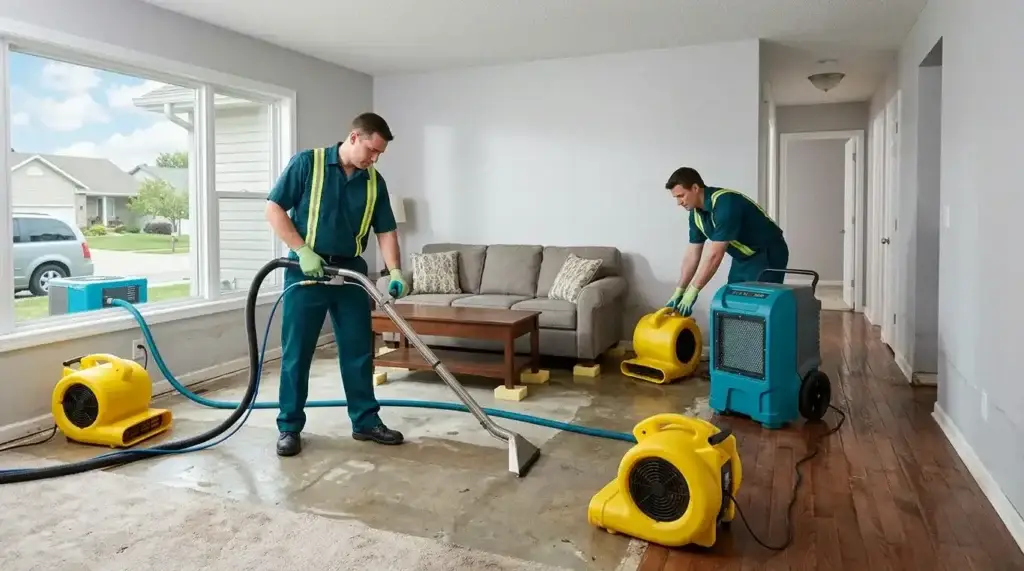
The restoration process follows a structured sequence designed to return the property to a safe and functional condition. The first step involves inspecting the affected areas and identifying the source of the water intrusion. Moisture readings help determine the extent of hidden damage.
Next comes water extraction using powerful pumps and vacuums to remove standing water. Once excess water has been eliminated, technicians begin drying and dehumidification using commercial-grade equipment that targets moisture inside structural materials.
Cleaning and sanitizing follow to eliminate contaminants, odors, and bacteria. Damaged materials that cannot be salvaged are carefully removed, while restorable items are cleaned and preserved whenever possible.
The final stage involves repairing or rebuilding damaged areas so the property is restored to its pre-loss condition. Each step plays an important role in ensuring the restoration is thorough, effective, and long-lasting.
How Professional Restoration Saves Time and Money
Many property owners hesitate to seek professional assistance because they worry about the cost. However, delaying restoration frequently results in far greater expenses due to worsening structural damage, mold remediation, and additional repairs.
Professional restoration reduces long-term costs by addressing problems before they escalate. Early water extraction, complete drying, and moisture monitoring minimize damage to floors, walls, furniture, and personal belongings whenever possible.
Efficient restoration also reduces downtime for businesses and minimizes disruptions for homeowners. Faster recovery means families can return to normal routines sooner, while businesses can resume operations with fewer interruptions.
Investing in professional restoration protects both the physical property and its long-term value. Prompt action often prevents avoidable damage, making restoration a cost-effective solution after water-related emergencies.
Conclusion
Water damage should never be ignored because even minor moisture problems can lead to significant structural damage, mold growth, health concerns, and costly repairs. Taking immediate action and working with experienced restoration professionals helps protect your property, preserve valuable materials, and restore a safe indoor environment. From rapid water extraction and thorough drying to complete cleaning and repairs, every step of the restoration process plays an important role in preventing long-term issues.
If you need dependable water damage restoration services in Lisle, trust ServiceMaster Restoration Services to respond quickly and restore your property with professional care. Contact ServiceMaster Restoration Services today at +1 630-241-1111 to schedule an assessment and receive prompt assistance when you need it most.
https://www.spreaker.com/episode/why-is-water-damage-restoration-so-important–73111196
https://www.podomatic.com/podcasts/ginawashingt90podcast/episodes/2026-07-22T10_12_01-07_00
https://stream.redcircle.com/episodes/ddd89563-c57a-470d-ace3-e64ed95539ed/stream.mp3