Why Water Damage Should Never Be Ignored
Water damage often appears less serious than it actually is. A damp carpet or stained ceiling may seem like a cosmetic issue, but water has a way of spreading into hidden areas where it continues causing damage unnoticed. Moisture can seep beneath flooring, inside drywall, into insulation, and behind cabinets within hours.
Even clean water can become contaminated if left standing for too long. As moisture remains trapped, bacteria and mold begin developing, creating additional concerns that extend beyond property damage. This is why delaying cleanup rarely saves money, instead, it often increases repair costs.
Many building materials are highly absorbent. Wood swells, drywall weakens, insulation loses effectiveness, and flooring begins to separate. These problems become progressively worse the longer moisture remains inside the structure.
Professional restoration focuses on finding hidden moisture using specialized equipment instead of relying only on what is visible. This comprehensive approach helps prevent future structural issues while restoring the property safely.
Ignoring water damage may appear convenient initially, but the consequences can affect your home’s safety, appearance, and overall value for years.
What Happens During Professional Water Damage Restoration
Professional restoration is much more than removing standing water. The process follows a systematic approach designed to completely dry, clean, and restore affected areas.
The first step involves a detailed inspection. Restoration specialists identify the source of the water and evaluate how extensively moisture has spread throughout the property. Moisture meters and thermal imaging equipment help locate hidden water that cannot be seen with the naked eye.
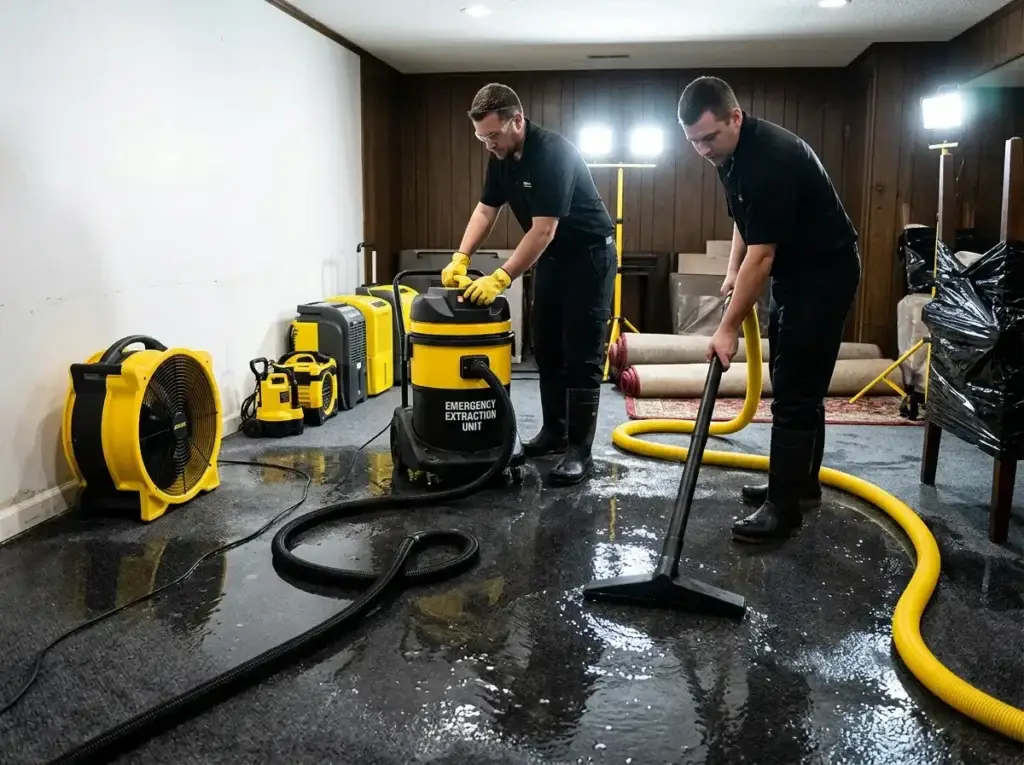
After inspection, powerful extraction equipment removes standing water as quickly as possible. Industrial air movers and commercial-grade dehumidifiers are then used to eliminate remaining moisture trapped inside structural materials.
Cleaning and sanitizing follow the drying process. Surfaces affected by contaminated water receive proper disinfection to reduce health risks and eliminate odors. Damaged materials that cannot be salvaged may be removed and replaced.
Finally, restoration work returns the property to its original condition. Depending on the severity of the damage, this may include repairing drywall, replacing flooring, repainting walls, or reconstructing damaged sections.
Every step works together to restore both the safety and functionality of the property.
The Hidden Risks of Delaying Restoration
Many property owners postpone repairs because the damage appears minor. Unfortunately, water rarely remains where it first enters.
Moisture trapped inside walls and beneath flooring continues spreading over time. As building materials absorb additional water, they become weaker and increasingly difficult to restore. Delayed action often transforms a relatively simple cleanup into a major renovation project.
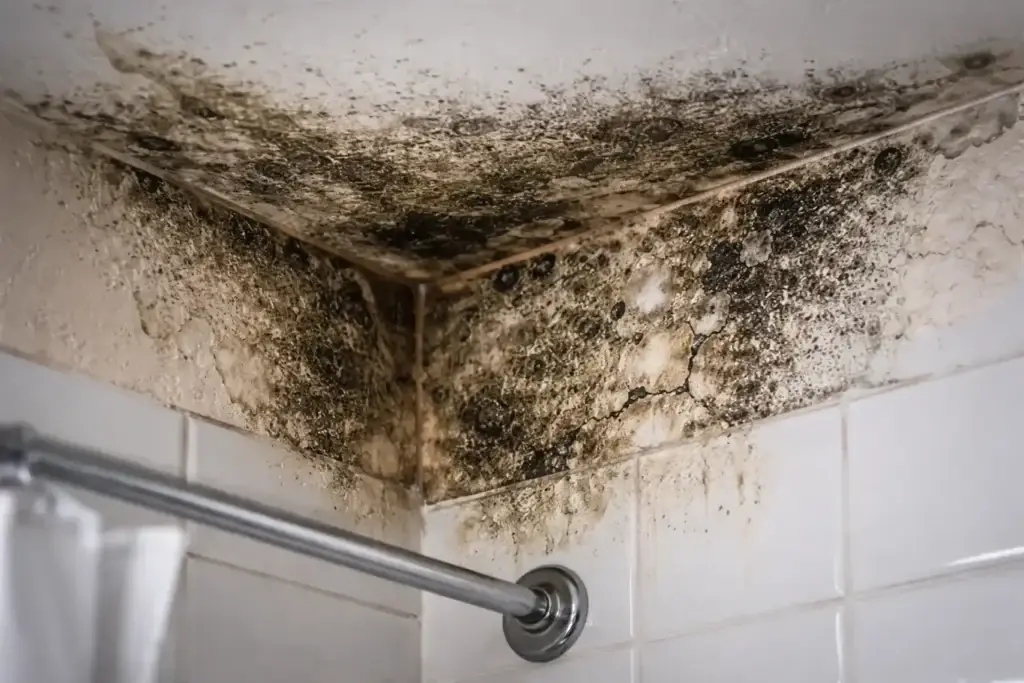
Mold growth is one of the biggest concerns. Under the right conditions, mold colonies can begin developing within 24 to 48 hours after water exposure. Once mold spreads throughout porous materials, remediation becomes significantly more expensive than early drying.
Electrical systems may also be affected. Water entering outlets, wiring, or electrical panels creates potential safety hazards that require professional evaluation before normal use resumes.
Odors become another common issue. Lingering moisture allows bacteria and organic matter to produce persistent musty smells that ordinary cleaning products cannot eliminate.
Responding quickly minimizes these risks while increasing the likelihood that materials can be saved instead of replaced.
Common Causes of Water Damage in Homes and Businesses
Water damage can occur unexpectedly in almost any type of property. Some causes develop suddenly, while others result from gradual deterioration that goes unnoticed.
Burst or frozen pipes remain among the most common sources of significant water damage. When plumbing systems fail, hundreds of gallons of water may enter a building within a short period.
Roof leaks are another frequent culprit. Missing shingles, damaged flashing, or clogged gutters allow rainwater to penetrate ceilings and walls over time.
Household appliances also contribute to many restoration projects. Washing machines, dishwashers, refrigerators, and water heaters may develop leaks due to worn hoses or mechanical failures.
Natural weather events such as heavy rainfall, flash floods, and severe storms can overwhelm drainage systems, allowing water to enter basements and lower levels.
Commercial properties often experience water damage from sprinkler malfunctions, plumbing failures, HVAC condensation issues, or roof drainage problems.
Regardless of the cause, identifying and repairing the source before restoration begins is essential to preventing repeated damage.
How Water Damage Affects Your Property’s Structure
Water has a direct impact on the materials that support your home or commercial building. Even small amounts of moisture can weaken structural components over time.
Wood framing absorbs moisture quickly, causing swelling, warping, and eventual rot if drying is delayed. Floor joists, support beams, and subfloors may lose strength when exposed to prolonged moisture.
Drywall becomes soft and unstable after absorbing water. Ceiling panels may sag, walls can crumble, and paint often begins peeling or bubbling.
Concrete may seem waterproof, but it can absorb moisture through tiny pores. Persistent moisture inside concrete contributes to foundation issues and elevated indoor humidity.
Flooring materials also suffer extensive damage. Hardwood expands and cups, laminate separates, and carpeting retains moisture that encourages mold growth underneath.
Professional drying protects these structural materials by removing hidden moisture before permanent deterioration occurs, helping preserve the building’s integrity.
Health Concerns Associated with Untreated Water Damage
Water damage affects more than buildings—it also impacts indoor air quality and occupant health.
Moist environments encourage mold growth, releasing airborne spores that circulate throughout the property. Individuals with allergies, asthma, or respiratory conditions may experience worsening symptoms when exposed to mold-contaminated air.
Standing water may also harbor bacteria, viruses, and other microorganisms depending on its source. Sewage backups and floodwater introduce contaminants that require specialized cleaning and sanitation procedures.
Persistent moisture attracts pests as well. Insects and rodents often seek damp environments, creating additional health and sanitation concerns.
When DIY Cleanup Isn’t Enough
Many homeowners attempt to clean water damage themselves using towels, fans, or household dehumidifiers. While these methods may help with very small spills, they rarely address extensive moisture hidden within the structure.
Professional restoration companies use commercial equipment capable of extracting water from deep within flooring, walls, and insulation. These specialized tools significantly outperform residential drying equipment.
DIY efforts also make it difficult to determine whether materials are fully dry. Moisture meters and infrared cameras allow professionals to verify drying progress scientifically rather than relying on appearance alone.
How Professional Restoration Saves Time and Money
Hiring professionals may seem like a larger investment initially, but it frequently reduces overall restoration expenses.
Rapid response limits the amount of structural damage that develops. Faster water removal and drying reduce the likelihood of replacing flooring, drywall, insulation, and other building materials.
Professionals also help prevent secondary issues like mold remediation, odor removal, and structural repairs, which often cost significantly more than early restoration.
Insurance claims may also proceed more smoothly when restoration companies provide detailed documentation of damage, drying progress, and completed work. Accurate records simplify communication with insurance providers.
Choosing the Right Water Damage Restoration Company
Selecting the right restoration company plays a major role in the quality of the final results. Experience, training, and response time all matter when dealing with water emergencies.
Look for companies that provide 24/7 emergency response since water damage worsens every hour. Fast arrival allows technicians to begin extraction before additional damage develops.
Modern equipment is equally important. Professional-grade extraction systems, air movers, dehumidifiers, and moisture detection technology produce more complete drying than standard equipment.
A reputable company should communicate clearly throughout the restoration process, explain recommended repairs, and work efficiently to restore the property.
Conclusion
So, is water damage restoration necessary? In nearly every case, the answer is yes. Water can spread quickly, damage structural materials, encourage mold growth, and create health concerns that worsen over time. Acting promptly helps minimize repair costs, protects your investment, and restores a safe indoor environment. Professional restoration ensures hidden moisture is properly removed, damaged areas are thoroughly cleaned, and your property is returned to its best possible condition.
If your home or business has experienced water damage, don’t wait for the problem to grow. Contact ServiceMaster Restoration Services in Lisle for prompt, professional assistance. Their experienced team is ready to respond quickly and help restore your property with care. Call +1 630-241-1111 today to schedule expert restoration services and protect your property from further damage.
https://www.podomatic.com/podcasts/celestinaheavenly9podcast/episodes/2026-08-26T05_12_49-07_00
https://stream.redcircle.com/episodes/2f149548-a33f-4947-b76a-774a84dbb947/stream.mp3