


What is seasonal or one-time cleaning?
Seasonal or one-time cleaning is a single, thorough visit timed to a moment rather than a schedule: a spring reset after winter, prep before holiday guests, cleanup the day after a party, or a fall clean before the furnace runs all season. You book it when you need it, and the scope is built around that event.
What does a spring clean cover?
After months with windows shut and the heat running, dust settles on every high surface, and entry floors carry a winter's worth of salt residue. A spring clean takes the whole house back to baseline.
The American Cleaning Institute's spring cleaning checklist lays out a sensible order: declutter first, start high with ceiling fans and cobwebs in wall corners, continue down through blinds, curtains, upholstered furniture and high-touch surfaces like doorknobs and light switches, then clean appliances room by room, and end low with baseboards, heating vents and floors. ACI notes that the average household breaks spring cleaning chores across six days, which is one reason many people hand the job off in a single visit.
Spring tasks people most often skip
- Refrigerator coils and the floor under the refrigerator
- Window tracks and screens
- Washing curtains and laundering pillows
- Wiping heating vents and return grilles
Allergy season: keeping pollen outside
The Asthma and Allergy Foundation of America outlines the U.S. pollen calendar: trees from about February to April, grasses from April to early June, and weeds from August until the first hard frost.
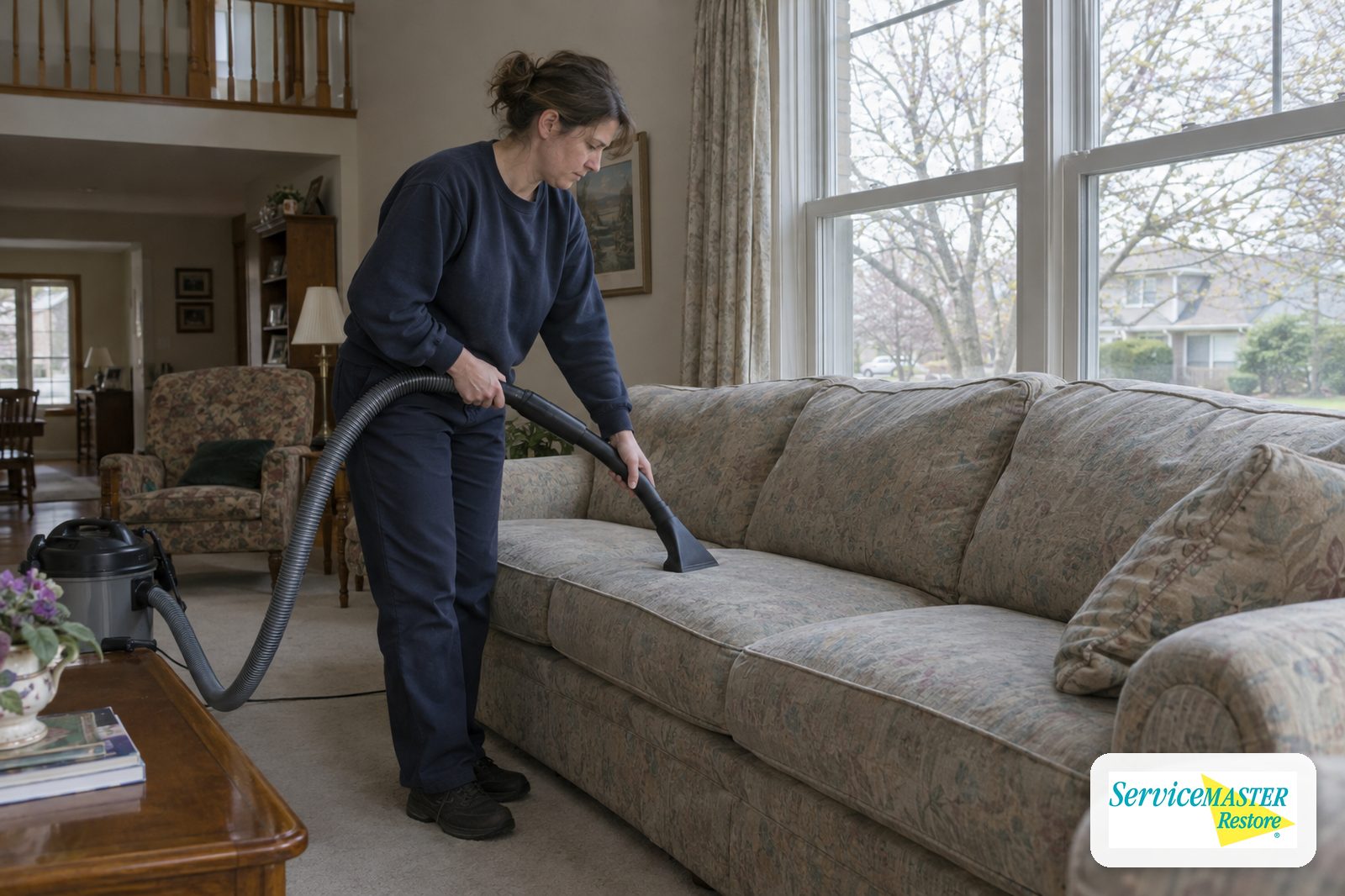
AAFA recommends keeping windows closed during peak pollen times, using central air or a HEPA air cleaner, and cleaning bedding, floors and fabric furniture once a week. A one-time clean at the start of the season clears pollen that has already settled into rugs and upholstery.
A seasonal cleaning calendar for Chicago-area homes
Northern Illinois has four distinct seasons, and each brings a different cleaning priority. This calendar combines national guidance from allergy, energy and cleaning authorities. Pollen timing shifts with each year's weather, so treat the months as a guide.
| Season | What is happening | Cleaning focus | Guidance |
|---|---|---|---|
| Spring | Tree pollen (about Feb–Apr), then grasses (Apr–early June) | Whole-house reset; wash curtains, windows and screens; clean bedding and fabric furniture weekly | AAFA pollen calendar; ACI seasonal tasks |
| Late spring | Cooling season approaches | Dust registers and returns; check air filters | ENERGY STAR: check the cooling system in spring; inspect filters monthly |
| Summer | Humid air, more bathroom moisture | Watch for bathroom mildew; keep humidity in check | EPA: indoor humidity below 60%, ideally 30–50% |
| Late summer to fall | Weed pollen (Aug–first hard frost) | Weekly floors and bedding for allergy households | AAFA pollen calendar |
| Fall | Heating season begins | Pre-holiday clean; dust vents; check filters before the furnace runs daily | ENERGY STAR: check heating system in fall; EPA: service fuel-burning furnaces before each heating season |
Sources: ENERGY STAR, Heating and Cooling Maintenance Checklist; AAFA, Pollen Allergy and EPA, Should You Have the Air Ducts in Your Home Cleaned? (both linked on this page); U.S. EPA, A Brief Guide to Mold, Moisture and Your Home; American Cleaning Institute, Home Cleaning Routine.
How do you prepare a home for the holidays or a party?
Event cleaning is about the rooms guests will actually use. Prioritize the entry, the guest bathroom, the kitchen and the main living area, then work outward if time allows.
- Two to three days ahead. Clean the guest bathroom and kitchen thoroughly, wash hand towels and clear counter space for food.
- The day before. Vacuum and mop main floors, dust surfaces at eye level and wipe handles, switches and faucets.
- Day of. Quick touch-ups only: empty trash, refresh the bathroom and set out a doormat for winter boots.
In fall, the American Cleaning Institute suggests a thorough house cleaning before winter and the holidays, including clearing cobwebs from corners and ceiling fans, wiping baseboards, and cleaning out the refrigerator one shelf at a time.
After the party
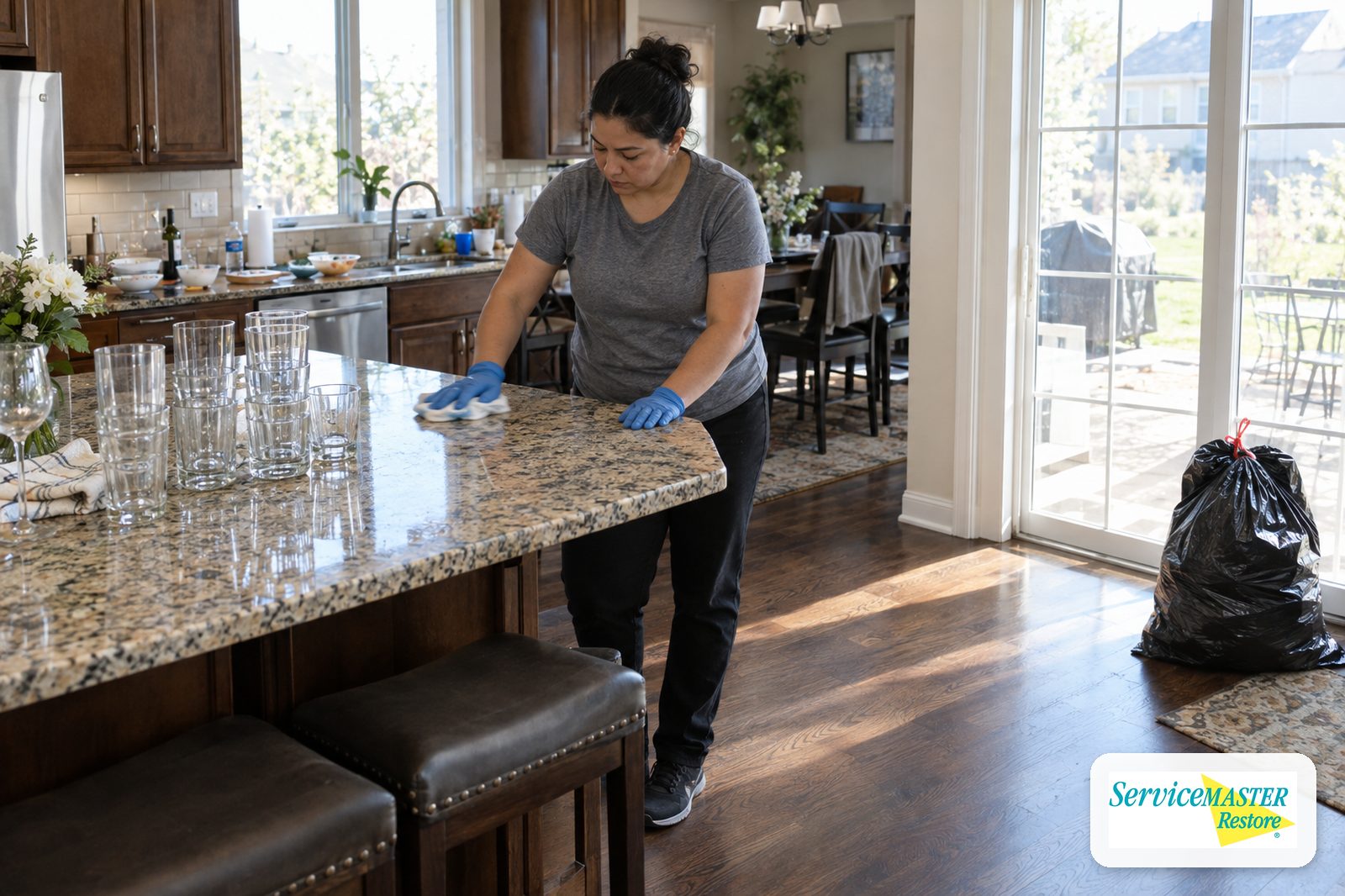
The morning after a gathering is when spills set. Food and drink on upholstery and carpet come out more easily when they are blotted soon rather than scrubbed later, and sticky residue on floors and counters attracts pests if left overnight.
A post-party clean starts with trash and dishes, then works through kitchen surfaces, bathrooms and floors. For larger messes or homes that have gone a long time between cleanings, a full deep cleaning service may be the better fit.
How should you prepare a home for heating season?
Fall prep is where cleaning and home maintenance overlap. Once the furnace runs every day, whatever dust is sitting in registers, returns and filters gets moved around the house.
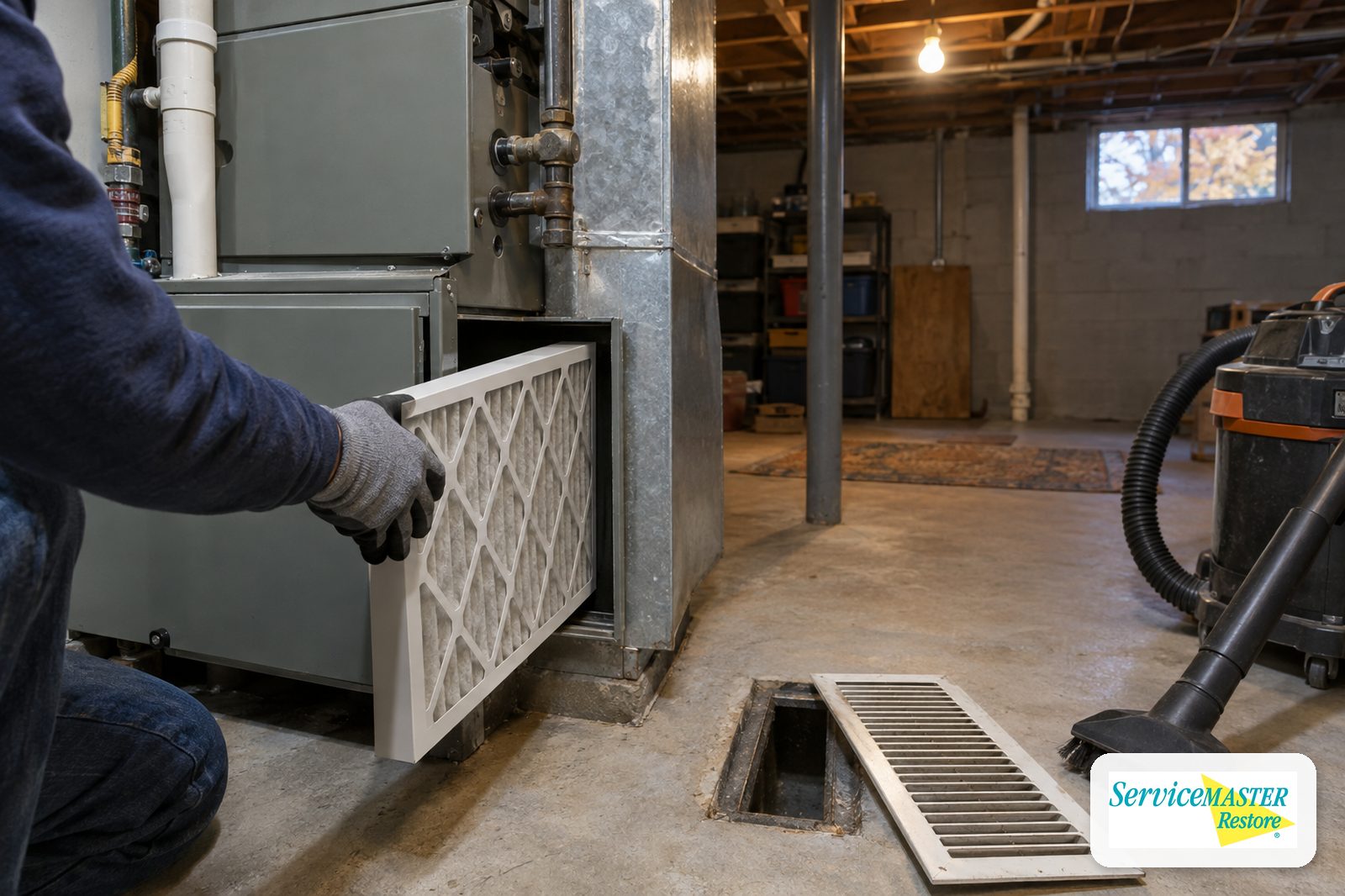
ENERGY STAR recommends inspecting, cleaning or changing air filters in your furnace, central air conditioner or heat pump once a month, and checking the heating system in the fall. The EPA advises having fuel-burning furnaces, stoves and fireplaces inspected and serviced before each heating season to guard against carbon monoxide poisoning. That inspection is work for an HVAC professional, not a cleaner.
A fall clean pairs well with the rest of your checklist. Our fall maintenance guide covers gutters, hoses and pipes before the first freeze, and our guide to furnace puffback soot cleanup explains what to do if a furnace misfires and leaves black residue around vents.
How to plan a one-time cleaning visit
- Define the occasion. Spring reset, holiday prep or post-event cleanup each change which rooms come first.
- List priority rooms. Put guest-facing or most-used rooms at the top so time goes where it matters.
- Declutter ahead. Clear counters, floors and tables so the visit is spent cleaning, not moving things.
- Schedule around the event. Book a day or two before guests arrive, or the morning after a party.
- Clean top to bottom. Fans and high surfaces first, then mid-level surfaces and appliances, then floors.
- Walk through at the end. Confirm the priority list is done before the visit wraps up.
From one-time to ongoing
Many households discover that a seasonal clean is easier to maintain than it was to reach. If you want to keep that baseline, routine house cleaning on a weekly or every-other-week schedule picks up where the one-time visit leaves off.
Moving instead of hosting? Move-in and move-out cleaning is designed for empty homes.
Seasonal cleaning across DuPage and Will County
Chicago-area weather drives the cleaning calendar: closed-up winters, pollen-heavy springs, humid summers and a fall push before the holidays. Homes in the western suburbs feel all four.
From our Lisle headquarters, we offer one-time and seasonal visits as part of our residential cleaning services, including homes covered by our pages for cleaning services in Lisle, Homer Glen, Willowbrook and Winfield. See every option on the cleaning services overview.
Planning a spring reset or holiday prep? Contact us or call (630) 241-1111 to book a one-time cleaning.
Frequently asked questions
How far ahead should I book a holiday cleaning?
Book as early as you can once your hosting date is set, since the weeks before major holidays are busy for cleaning services everywhere. Aim to have the clean done one to three days before guests arrive, which leaves time for last-minute touch-ups without the house getting lived-in again.
What is the difference between a spring clean and a deep clean?
They overlap a lot. A spring clean is a deep clean timed to the end of winter, with extra attention to tasks the season calls for, such as washing curtains, windows and screens, wiping heating vents and clearing pollen from rugs and upholstery. The American Cleaning Institute lists those curtain and window tasks as seasonal.
Can a one-time cleaning help with seasonal allergies?
It can reduce allergens that have already settled in the home, such as pollen on rugs, upholstery and bedding. AAFA also recommends keeping windows closed during peak pollen times, showering before bed and cleaning bedding, floors and fabric furniture weekly through the season, so a single clean works best as a starting point.
Should air ducts be cleaned every fall?
Not as a routine. EPA does not recommend cleaning air ducts routinely, only as needed, such as when there is substantial visible mold, vermin or excessive dust and debris. What EPA does recommend before each heating season is having fuel-burning furnaces inspected and serviced by a qualified professional.
Do I need to be home for a post-party cleaning?
Not always, but a short walkthrough at the start helps. Point out spills on upholstery or carpet, rooms that are off limits, and anything borrowed or fragile that should not be moved. If you will be out, set aside items you want kept and leave clear access to trash bins.
Sources
- American Cleaning Institute: Spring Cleaning Checklist (Spring Cleaning Plan)
- American Cleaning Institute: Home Cleaning Routine
- American Cleaning Institute: Fall Cleaning
- Asthma and Allergy Foundation of America: Pollen Allergy
- ENERGY STAR (U.S. EPA / DOE): Heating and Cooling Maintenance Checklist
- U.S. Environmental Protection Agency: Should You Have the Air Ducts in Your Home Cleaned?
- U.S. Environmental Protection Agency: A Brief Guide to Mold, Moisture and Your Home